Commercial Epoxy Flooring Installation Made Easy for Your Business Spaces
Daniel McGonagle • November 29, 2025
Commercial epoxy flooring in Cambridge, MA, gives your business a durable, easy-to-maintain surface designed to handle heavy foot traffic, spills, and daily use. It delivers a professional look while keeping maintenance simple across offices, gyms, retail spaces, and more.
Cambridge MA Epoxy Flooring offers local expertise
and durable materials
for demanding environments across Cambridge, Somerville, and Greater Boston. Installations are planned to minimize downtime and give you a long-lasting finish you can trust.
This guide breaks down installation steps, safety requirements, maintenance practices, cost factors, and how to choose the right commercial epoxy flooring system for your space so you can make confident, informed decisions.
What Is Commercial Epoxy Flooring?
Commercial epoxy flooring is a tough coating that goes over concrete, making it stronger and better looking. It forms a smooth, durable surface that stands up to heavy use, spills, and the daily grind. You can tweak the look to match your business style, and cleaning gets way easier—plus, there’s less risk of slips.
Benefits of Epoxy Flooring
Epoxy flooring brings a bunch of perks for commercial spaces. It’s highly durable and shrugs off scratches, stains, and even chemicals. Your floors keep looking good even when people are stomping through all day. Epoxy also creates a seamless surface that keeps dirt from collecting, so cleaning isn’t a headache.
Safety’s a big deal too. You can add textures to make it slip-resistant, which really helps cut down on falls. Epoxy floors don’t soak up moisture or trap dust, making them more hygienic. And with so many colors and finish options, you can dial in a professional look that fits your brand.
Types of Epoxy Flooring Systems
You’ve got several types to pick from, depending on your needs. Solid epoxy coatings create a hard, shiny finish that works well in retail and office spaces. Quartz-filled systems blend in quartz particles, boosting grip and toughness—great for places that see a lot of spills.
Metallic epoxy floors give you a decorative, almost three-dimensional look that really pops. Anti-slip epoxy options add extra safety for wet or greasy spots. Your choice comes down to traffic, safety, and whatever style you want to show off.
Common Applications in Commercial Spaces
Epoxy flooring fits right in across all sorts of commercial settings. Offices and retail stores
love the sleek look and easy cleaning. Gyms and fitness centers rely on epoxy because it stands up to impact and sweat—no problem.
Restaurants and food service spaces need floors that resist stains and spills to meet health codes. Showrooms and lobbies go for epoxy because you can really get creative with colors and designs. Warehouses and loading docks count on heavy-duty epoxy to protect against equipment and nonstop traffic.
Understanding Commercial Floor Safety Standards
Commercial spaces face strict safety expectations, and your floor plays a major role in meeting them. Epoxy systems that provide slip resistance, surface uniformity, and easy cleaning help you maintain a safer environment during daily operations. Choosing the right texture or additive supports foot traffic flow and reduces risk in busy areas.
The Occupational Safety and Health Administration
safety guidelines highlight how surface friction impacts preventable injuries. When your flooring meets recognized standards, you create a more controlled environment for employees and visitors. This also gives your business better protection during inspections and daily use.
Preparation for Commercial Epoxy Flooring Installation
Getting ready for a new epoxy floor means planning, cleaning, and testing. These steps help your floor last longer, look better, and handle heavy use without issues.
Site Assessment and Planning
First, someone needs to check out your space. This includes measuring everything and inspecting the concrete for cracks or damage. Installers also consider what the floor has to endure—foot traffic, machinery, spills, you name it.
Planning covers picking colors and finishes that fit your vibe. It also means scheduling so your business isn’t down longer than needed. Good planning keeps things moving and avoids nasty surprises.
Surface Cleaning and Repair
The floor has to be squeaky clean before the epoxy goes down. Dirt, grease, and old coatings need to go so the epoxy actually sticks. Next up, repairs. Cracks and holes can mess up the finished floor, so they get patched. This step keeps bubbles and peeling from popping up later.
The team might use grinders or shot blasters to smooth things out. A clean, fixed-up surface means your epoxy floor will be stronger and look better.
Moisture Testing
Checking for moisture in the concrete is a must. Too much water in there and the epoxy just won’t bond right. That leads to peeling or bubbles—not what you want.
Special tools check moisture levels to make sure things are dry enough. If there’s too much moisture, they’ll need to fix it first, maybe by adding a moisture barrier. This step keeps your investment safe so your floor stays tough in busy spots.
Choosing the Right Epoxy Flooring for Your Business
Picking the right epoxy flooring matters if you want your business floors to look good and last. Think about what kind of coating you need and the style that fits your space.
Epoxy Coating vs. Epoxy Flooring
An epoxy coating is a thin layer that goes over your concrete. It protects and looks nice, but it’s not as tough or thick. Works best in places with light to moderate foot traffic, like small shops or offices.
Epoxy flooring is thicker and bonds tightly to the concrete. It handles heavy traffic, machinery, and lots of spills. That’s why it’s a go-to for gyms, warehouses, and busy showrooms.
Go with epoxy flooring if you want real strength and durability. Coatings are better for a quick, budget-friendly refresh in less demanding areas.
Selecting Colors and Finishes
Colors and finishes do more than just look good—they help with safety and cleaning too. Lighter colors brighten up dark spots but show dirt faster. Darker shades
hide stains if that’s more your style.
You can go with glossy and smooth for a showroom shine or pick matte and textured for better grip in busy areas. Anti-slip coatings are a must in places that get wet or oily, just to keep everyone on their feet.
Want something unique? Add decorative flakes or metallic finishes for a custom look that matches your brand. There are a ton of options, so you can really make the space your own.
Step-by-Step Commercial Epoxy Flooring Installation Process
Installing commercial epoxy flooring takes prep, skill, and patience. Each step matters, from getting the surface ready to letting the floor cure. Knowing what’s involved helps you plan and sets you up for a great result.
Surface Priming
Start by prepping the concrete. Clean up any cracks, stains, or dust before the epoxy goes down. A spotless surface means the epoxy will stick and not bubble or peel later.
Next comes the primer coat. This helps the epoxy bond with the concrete and seals up tiny pores. It also boosts the surface’s strength and keeps moisture out. Skipping primer is risky, especially in busy commercial spaces.
Mixing and Applying Epoxy
Mixing up the epoxy correctly is crucial. It usually comes in two parts—resin and hardener—and you’ve got to get the ratio spot on for a tough, lasting finish.
Once mixed, the epoxy gets rolled or squeegeed onto the floor. This part takes a steady hand to avoid streaks and to keep the layer even. Sometimes decorative flakes or anti-slip stuff go in now for extra style or safety.
Watch out for temperature and humidity—they can mess with how the epoxy spreads and sets.
Curing and Drying Times
After you apply the epoxy, you need to let it cure. This can take anywhere from a day to three, depending on the product and conditions. Don’t walk on it or move stuff back in until it’s fully cured.
Letting it cure properly makes the floor tougher and more resistant to chemicals and heavy traffic. Rushing can leave you with soft spots or a dull finish.
Sometimes a topcoat goes on after curing for extra protection and shine.
Safety and Compliance Considerations
When you’re picking commercial epoxy flooring, don’t forget about safety features and following local health rules. Your floors need to keep everyone safe, especially in high-traffic or industrial spots, and help you steer clear of fines or shutdowns.
Slip Resistance Requirements
Your floors should have enough grip
to prevent slips and falls. You can add anti-slip additives like sand or grit to boost traction. This is especially useful in areas that get wet or see a lot of foot traffic.
Slip resistance gets measured by standards like the ASTM D2047 test. You want a floor that meets these marks to keep folks safe. Adding slip-resistant coatings doesn’t just protect people—it can also help with liability and insurance.
Meeting Health and Safety Codes
Your epoxy flooring has to meet local building codes and safety standards. That might mean chemical resistance if you use harsh stuff, the right thickness, or smooth finishes that are easy to clean.
Health departments often want floors that resist mold and bacteria—epoxy is great for that since it seals out cracks. In industrial spaces, fire codes might call for coatings that handle sparks and heat. Following the rules helps with inspections and keeps your business running smoothly.
Maintenance and Care for Epoxy Floors
Keeping your epoxy floors looking good and lasting longer comes down to a few easy habits. Regular cleaning and the occasional deep scrub help protect your floor from damage. These simple steps keep the shine, stop stains, and save you from pricey repairs.
Routine Cleaning Practices
Clean your epoxy floor often to get rid of dirt and grime. Use a soft broom or dust mop every day to sweep up debris. For wet cleaning, mop with warm water and a mild detergent that won’t mess up the finish.
Skip acidic or harsh cleaners—they’ll dull the shine. Spills? Wipe them up fast so they don’t stain. Microfiber mops or cloths work best for keeping that glossy look.
If your floor sees a lot of traffic, try damp mopping a few times a week. It helps prevent scratches and keeps the surface safe. A little daily care goes a long way to keeping your floor looking fresh.
Long-Term Upkeep Tips
Over time, epoxy floors need a bit of extra care to keep looking sharp. Take a good look every so often for scratches, chips, or worn spots. If you spot trouble areas, consider getting a professional to handle touch-ups and restore the protective coating.
Keep heavy equipment or furniture off rough patches to avoid dents. Slipping protective pads under furniture legs is a small step that makes a difference. If the floor starts to lose its shine, a fresh professional re-coating can revive the gloss and boost durability.
Skip harsh scrubbing tools or steel wool when cleaning—those can really scratch up the surface. Stick to these habits and your floor should stay in great shape for years, whether you're in Greater Boston or Cambridge.
Cost Factors of Epoxy Flooring Installation
Knowing what drives the price of epoxy flooring helps you budget smarter. The total cost depends on the materials, the size of your area, and the prep and installation work involved.
Material and Labor Expenses
The material you pick is a big factor. Basic epoxy coatings usually run about $3 to $5 per square foot. If you're after something more decorative or industrial—think metallic finishes or chemical-resistant layers—the price can climb to $12 per square foot or even more.
Labor charges change depending on how much prep your floor needs. If there are cracks or stains, workers will spend extra time cleaning and repairing. For a solid finish, expect steps like surface grinding, applying several coats, and allowing proper curing—all of which need skilled hands.
Budgeting for Large Commercial Spaces
Bigger spaces like offices, gyms, or retail stores mean higher overall costs. For commercial floors around 1,000 square feet or more, you might see prices ranging from $3,000 to $12,000 or even higher, depending on the complexity.
Some expenses can sneak up on you:
- Prep time: Large floors often require extra cleaning and repairs.
- Design options: Custom colors or textures can bump up the price.
- Traffic requirements: Areas with heavy use may need thicker or specialized coatings.
If you start planning early with your contractor, you’ll have a better handle on costs while still getting the look and durability you want.
Common Challenges and Solutions in Installation
Installing commercial epoxy flooring isn’t exactly a walk in the park. You have to deal with surface conditions and avoid common mistakes. Good prep and careful work are key if you want a smooth, tough finish that stands the test of time.
Dealing with Uneven Surfaces
Uneven concrete can be a real headache. Cracks, dips, or rough spots can mess with the epoxy’s bond and leave you with a wavy, uneven floor.
Here’s what usually works:
- Grinding or shot blasting the surface to level things out
- Filling cracks and holes with proper patching material
- Making sure the floor is completely clean and dry before you get started
These steps go a long way toward preventing problems like peeling, bubbling, or weak spots in the finished floor.
Preventing Air Bubbles and Defects
Air bubbles and other little defects can pop up if you rush or miss a step. They don’t just look bad—they can weaken the floor too.
Here’s how you keep them at bay:
- Mix the epoxy slowly to avoid trapping air
- Use a roller or squeegee with steady, even pressure
- Apply multiple thin layers instead of one thick one
- Hit the surface with a heat gun or torch right after application to pop bubbles
Stick to these techniques and your commercial floor will look sharp and hold up to daily use. Experience really makes a difference
here.
How to Choose a Commercial Epoxy Flooring Contractor
Picking the right contractor can make or break your project. You want someone with real experience, who communicates clearly, and doesn’t dodge your questions about the job or materials.
Evaluating Experience and Expertise
Look for a contractor who’s handled plenty of commercial epoxy jobs like yours. It helps if they’ve worked with businesses similar to yours—offices, gyms, retail shops, you name it. Ask about their knowledge of different epoxy types and finishes.
A good crew knows how to prep floors the right way, so you don’t end up with cracks or peeling later on. Check out photos or references from past clients in Cambridge or Boston. Local contractors usually know the area’s building codes and how the climate can affect floors.
Experienced teams often offer custom design touches too, like colors, anti-slip surfaces, or extra-tough coatings for high-traffic zones.
Questions to Ask Before Hiring
Before you sign anything, ask these:
- What’s included in the installation process?
- How long will the job take, and will it disrupt my business?
- What warranties or guarantees do you offer on materials and work?
- How do you prep the floor, especially with stains or cracks?
- Can I see samples of colors or finishes before deciding?
- Do you offer maintenance tips to keep the floor looking good?
Solid answers show you’re working with someone honest and straightforward. You want a contractor who’s knowledgeable, reliable, and ready to back up your business’s flooring needs.
Reliable Flooring Strength for Busy Commercial Spaces
Every business needs a surface that handles constant movement, resists spills, and keeps the space looking sharp. Epoxy flooring offers durability, simple cleaning, and flexible design options that work well across offices, retail environments, gyms, and specialty facilities.
Partnering with Cambridge MA Epoxy Flooring gives you locally informed guidance and dependable installation practices. Also, you get flooring systems tailored to the demands of Cambridge and Greater Boston’s commercial environments. That confidence helps your business run smoothly day after day.
If you’re planning an upgrade, now’s a great time to evaluate your space and compare epoxy options. Reach out to schedule
a consultation, review finishes, or get a customized estimate for your commercial flooring needs.
Frequently Asked Questions
Epoxy flooring is a tough, stylish option that suits a lot of commercial spaces. Folks usually ask about costs, installation tips, product choices, and what to expect if they’re going over tile. It’s also smart to think about any downsides and the rules around professional installation.
What are the typical costs associated with epoxy flooring installation for commercial spaces?
Costs mostly depend on the size of your space and the type of epoxy system you pick. Most commercial projects run between $3 and $12 per square foot. Extra expenses can include surface prep, repairs, or special finishes.
Can I install epoxy flooring in my business space by myself, and if so, how?
You could tackle epoxy flooring on your own if the area’s small and you’re comfortable with careful prep. Start by cleaning and repairing the floor thoroughly.
Then, mix the epoxy and apply it evenly in thin coats. Let it cure without being disturbed. Still, for larger or high-traffic commercial spaces, hiring a pro is usually the safer bet for durability and safety.
Which brands or types of epoxy flooring are recommended for commercial environments?
Go for epoxy products built for heavy-duty use—high chemical and impact resistance are key. Polyamine and polyaspartic epoxies are popular picks since they cure fast and last longer.
What is the process for applying epoxy flooring over existing tile surfaces?
Make sure the tiles are clean and remove any loose or cracked pieces. Usually, you’ll need to sand or grind the tiles to roughen the surface so the epoxy sticks.
After prepping, apply a primer, then the epoxy. This helps the coating bond and keeps it from peeling.
What potential downsides should I be aware of before choosing epoxy flooring for my facility?
Epoxy floors can get slippery when wet unless you add anti-slip materials. They might yellow or peel if exposed to a lot of UV light or if installed poorly.
Installation takes a well-prepped surface and time to cure, which could disrupt business if not planned right. Maintenance is pretty simple, but you’ll need to clean regularly to keep that shine.
Are there specific qualifications or licenses required to install epoxy flooring commercially?
Yes, commercial epoxy flooring installation usually calls for certified professionals who know local codes and safety standards. In many areas, including Cambridge and Greater Boston, contractors need proper licenses for flooring work.
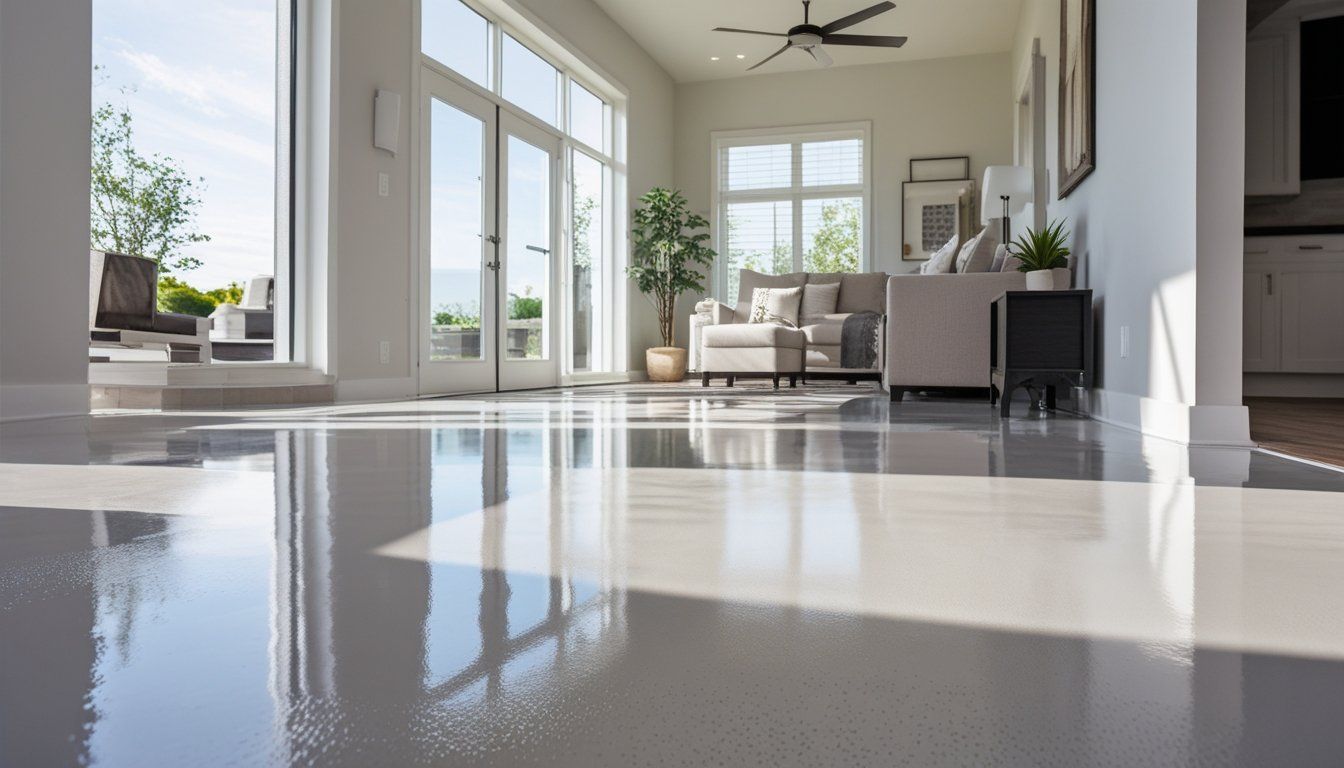
Explore durable residential epoxy flooring services in Cambridge, MA. Learn benefits, finishes, installation steps, and maintenance tips for your home.
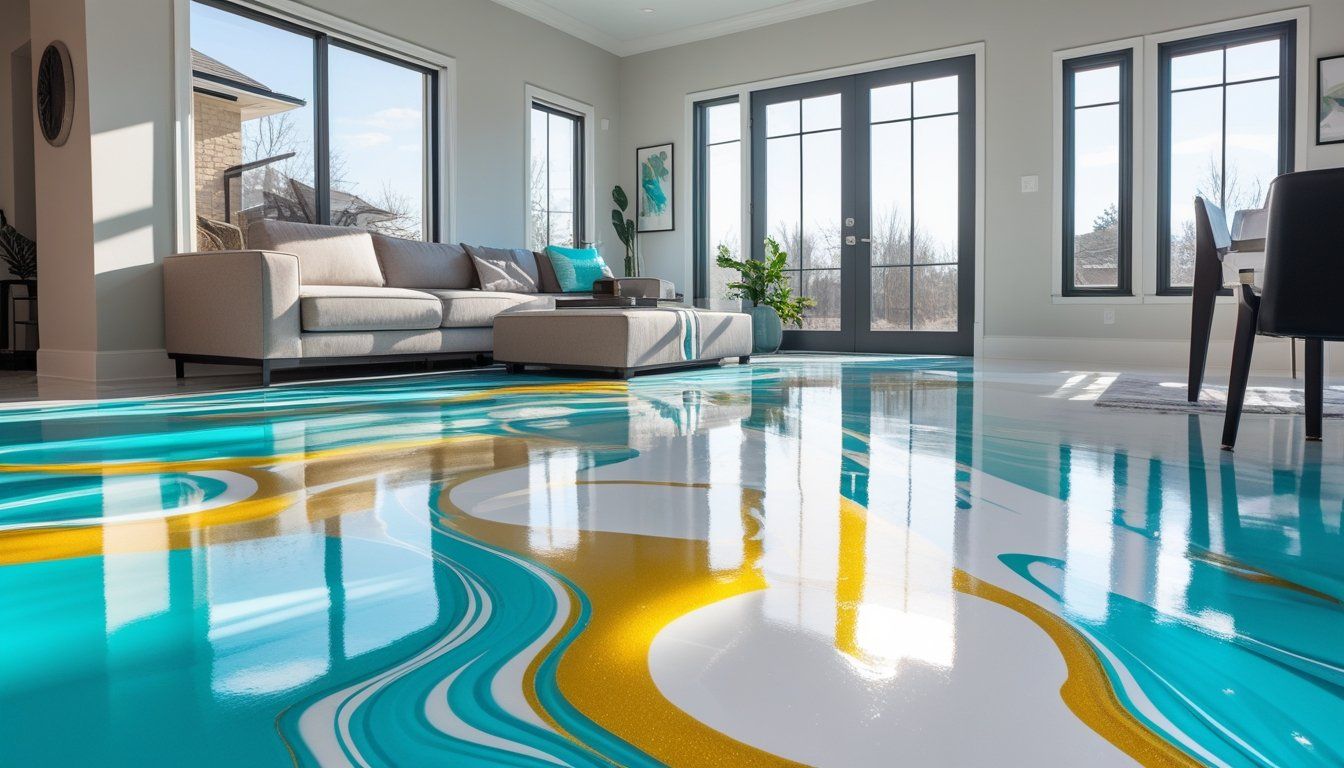
Explore durable residential epoxy flooring services in Cambridge, MA. Learn benefits, finishes, installation steps, and maintenance tips for your home.
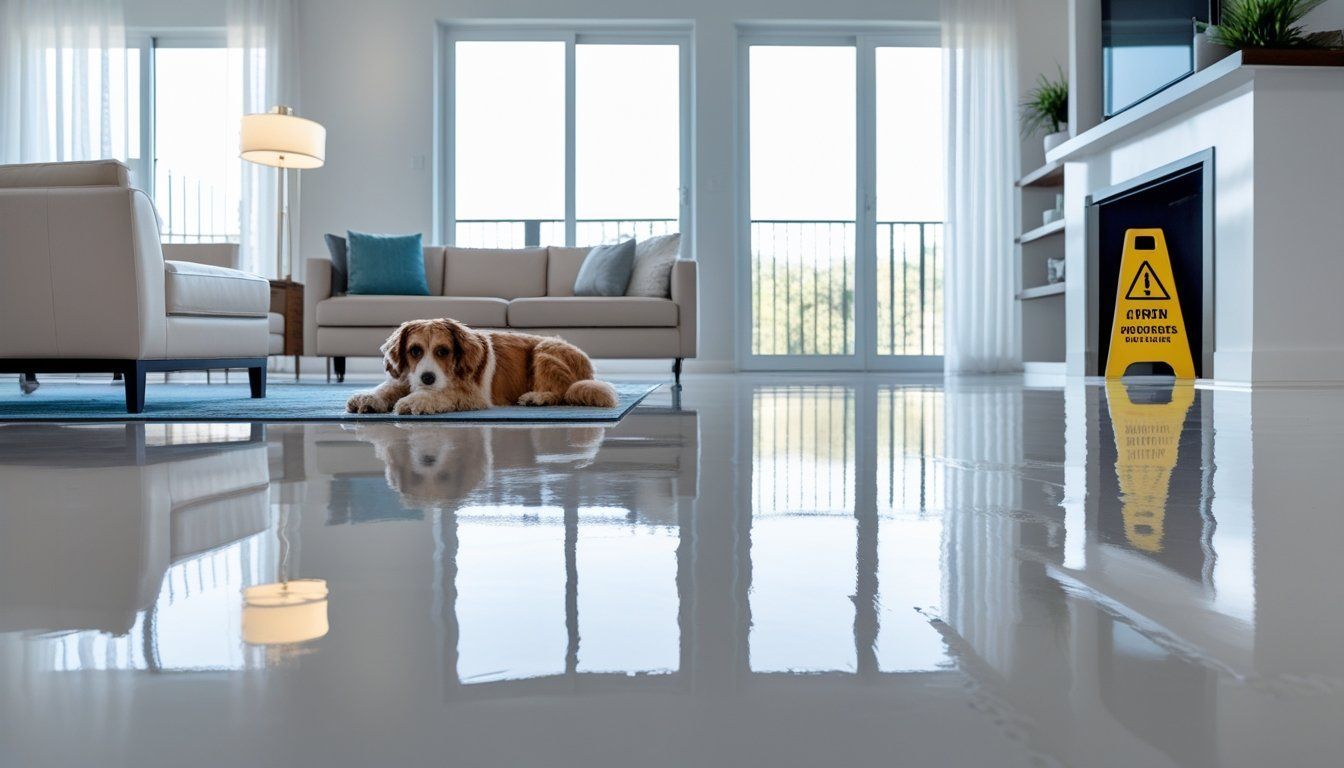
Learn the pros and cons of residential epoxy flooring in Cambridge, MA. Explore durability, safety, costs, installation steps, and maintenance tips.
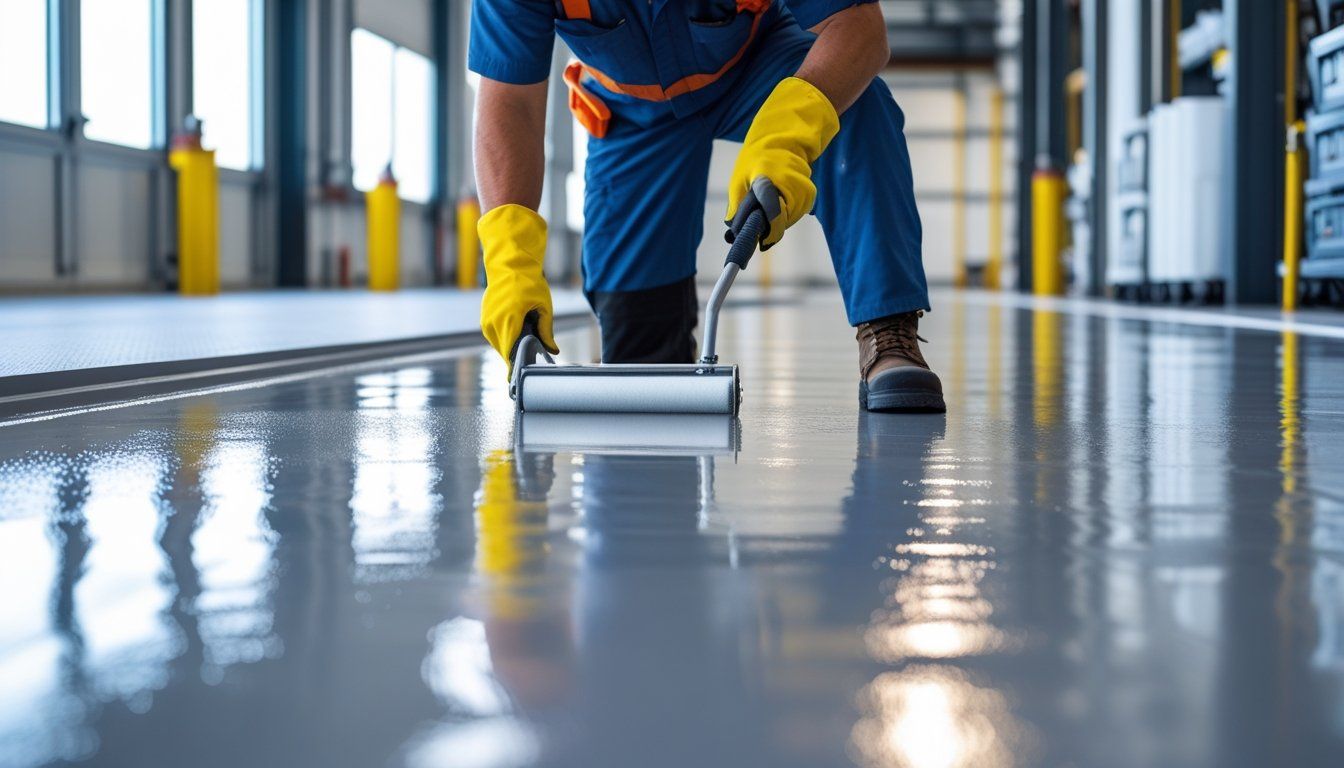
Explore industrial epoxy flooring service in Cambridge, MA. Learn benefits, types, installation steps, safety factors, and maintenance tips for busy facilities.
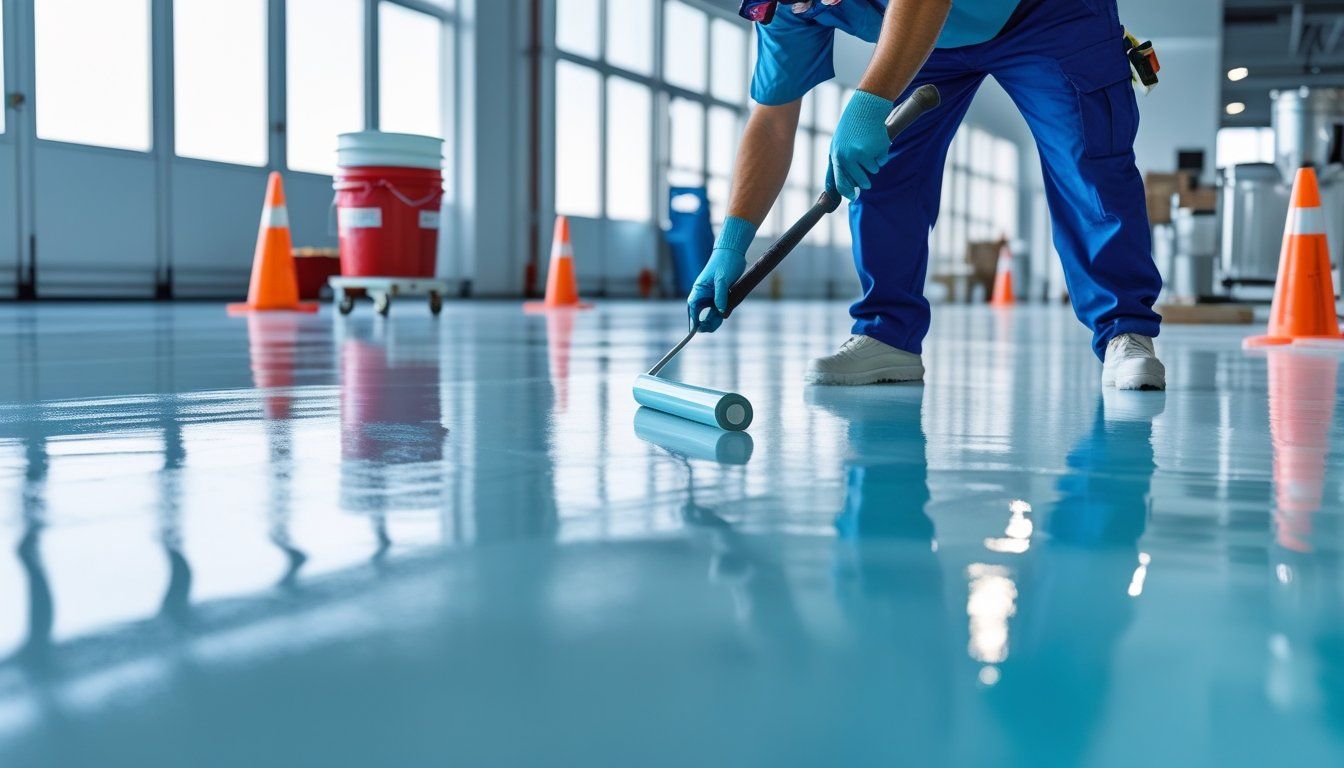
Explore epoxy flooring services in Cambridge, MA. Learn systems, benefits, installation steps, and options for durable residential and commercial spaces.
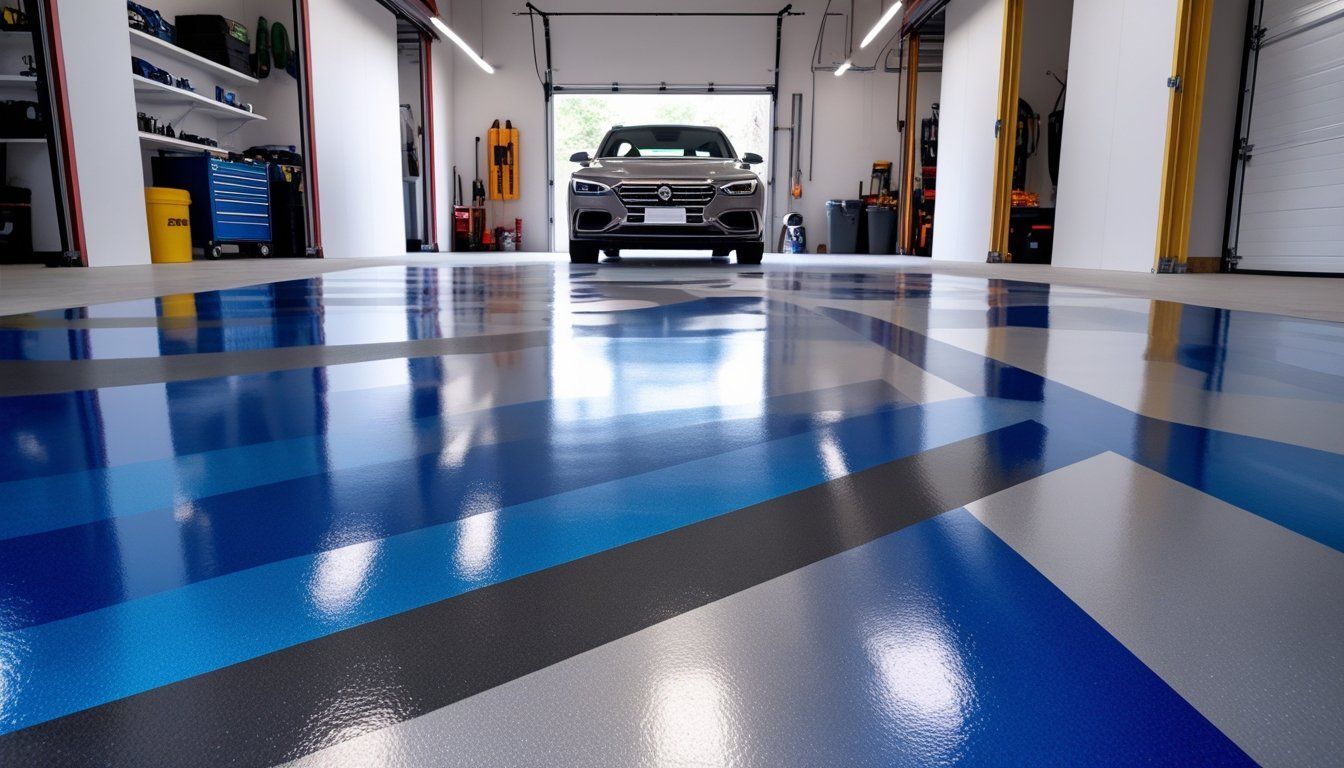
Explore garage epoxy floor colors in Cambridge, MA. Discover design ideas, color trends, finishes, and how lighting and texture impact your choice.
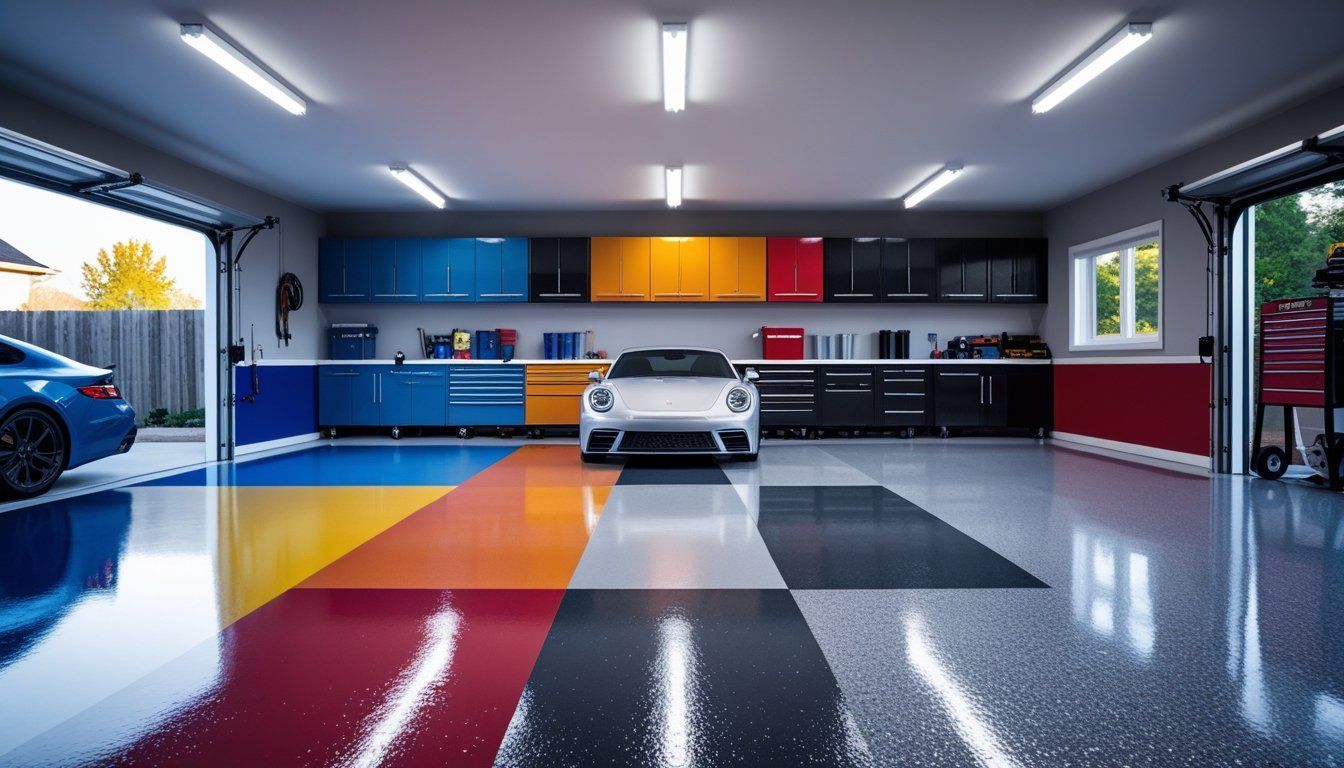
Explore garage floor epoxy colors, finishes, and safety benefits for Cambridge homes. Learn how to choose shades that brighten, protect, and perform.
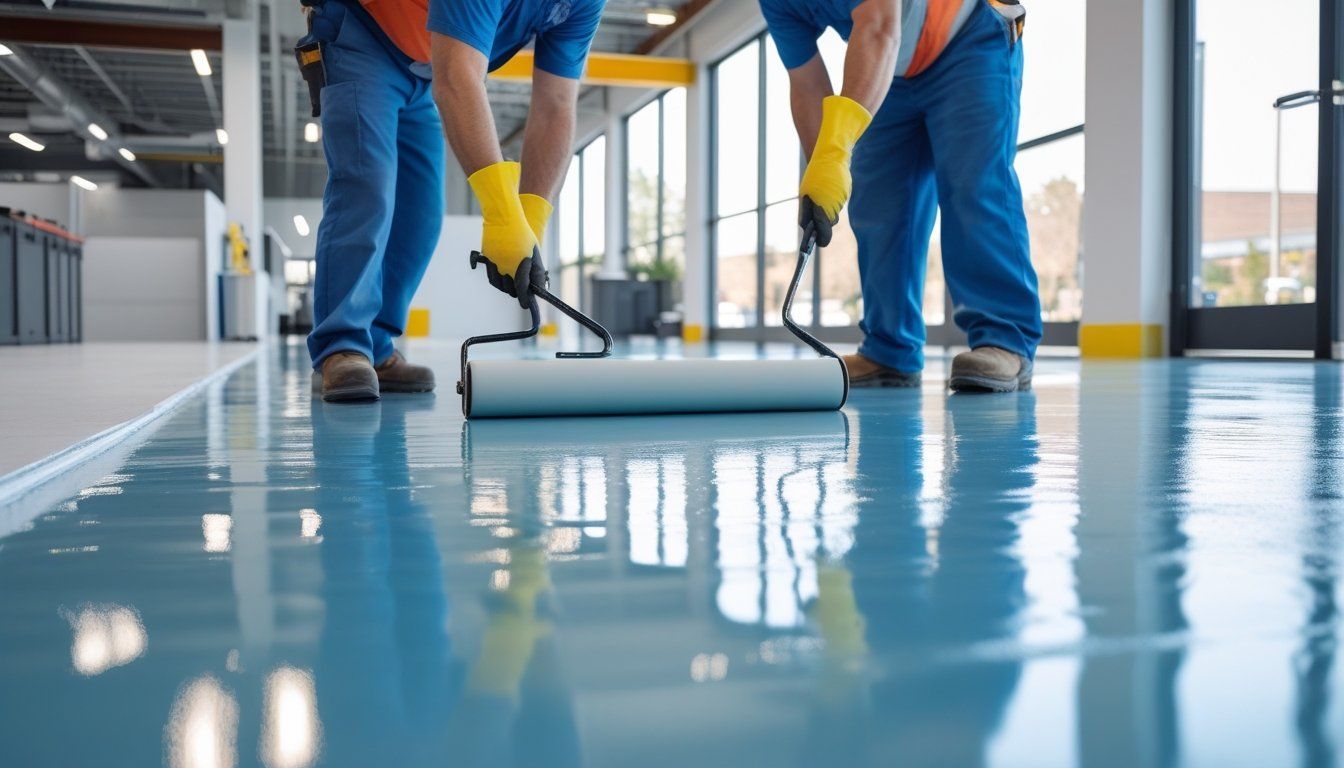
Discover commercial epoxy flooring services that enhance durability, safety, and style for businesses in Cambridge and Greater Boston.
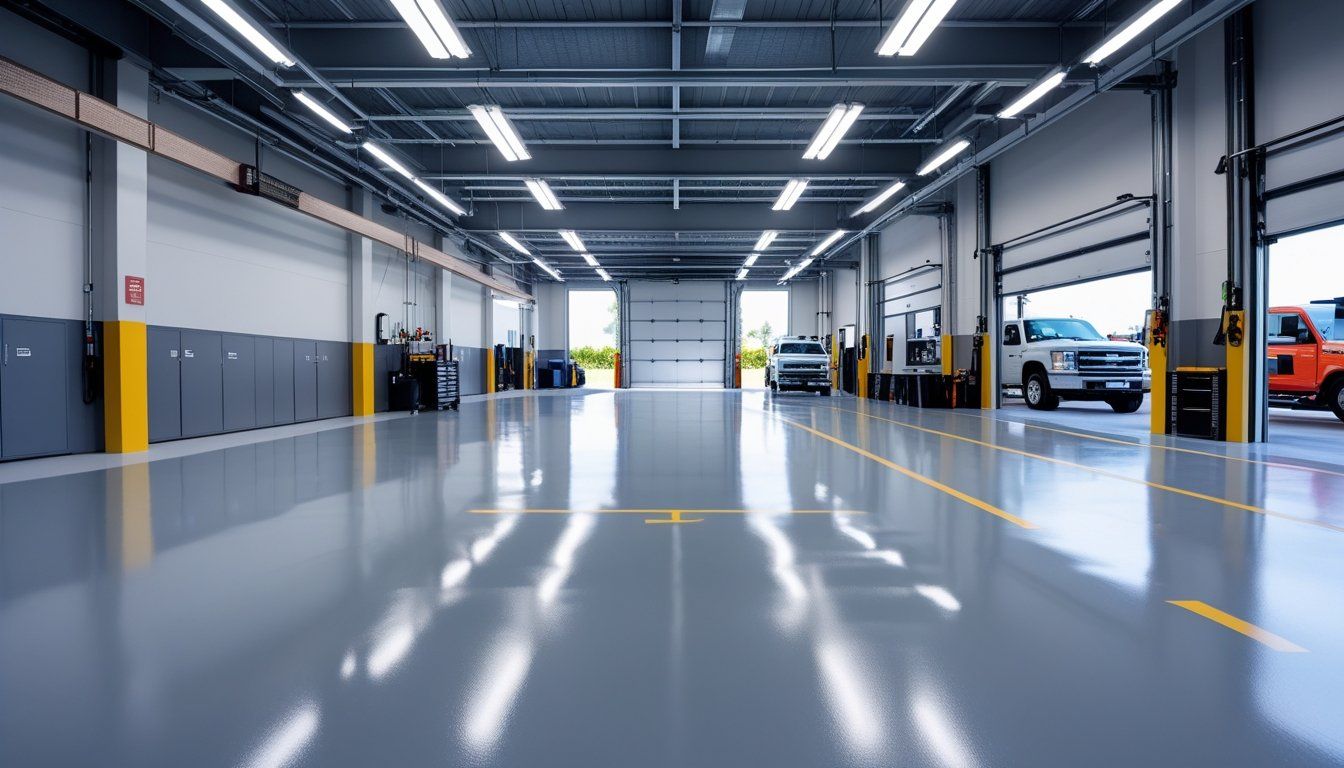
Learn how commercial epoxy garage flooring improves durability, safety, and appearance for businesses across Cambridge and Greater Boston.
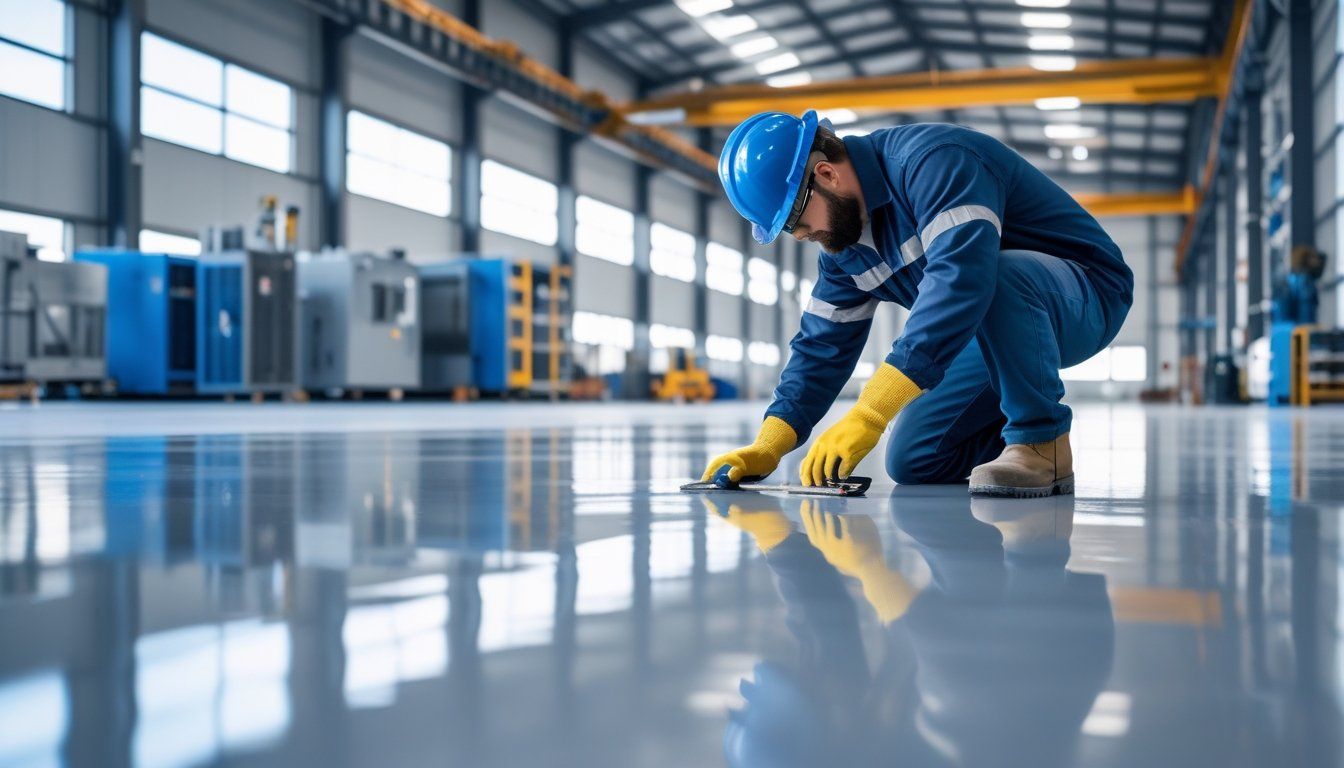
Learn the benefits of industrial epoxy flooring in Cambridge MA. Discover cost, durability, safety, and design tips for warehouses, factories, and labs.