Commercial Epoxy Garage Flooring Benefits for Your Business Space
Daniel McGonagle • November 1, 2025
Commercial epoxy garage flooring provides a durable, low-maintenance surface resistant to heavy traffic, spills, and wear. It’s a dependable way to keep your space safer and cleaner. It also delivers a polished, professional look suitable for a wide range of commercial uses in Cambridge and nearby towns.
Working with Cambridge MA Epoxy Flooring ensures your garage
receives a system built to handle local conditions.
This includes temperature swings and demanding work environments. Our coatings combine durability with design flexibility. They help you achieve a floor that performs well while aligning with your brand’s style.
In this guide, you’ll learn how epoxy garage flooring works, where it performs best, what installation involves, and how to maintain it for long-lasting results. You’ll also see how color, texture, and safety features help customize your floor to match your business needs.
What Is Commercial Epoxy Garage Flooring?
Commercial epoxy garage flooring is a tough, smooth surface that really upgrades your garage’s look and function. It shields the concrete underneath from cracks, stains, and heavy wear.
You’ll have a floor that’s easy to clean, safe to walk on, and ready for daily traffic and spills without losing its shine or strength.
Key Characteristics
These floors are known for durability and resistance. They hold up to heavy vehicles, dropped tools, and chemicals like oil or cleaning products. The seamless surface means no grout lines or cracks where dirt can hide, so cleaning is way faster and less of a pain.
Pick from finishes like matte, glossy, or slip-resistant to keep your garage safe and looking sharp. You can even add decorative flakes or colors to fit your taste.
Epoxy Resin Composition
Epoxy flooring uses two main parts: resin and hardener. Mixing them together kicks off a chemical reaction, forming a tough, plastic-like coating over your concrete. That coating bonds tightly with the floor underneath.
The result? A floor that shrugs off impact, abrasion, and chemical spills. It also blocks moisture from seeping in, which helps prevent cracking or crumbling.
Types of Epoxy Coatings
Several types of epoxy coatings suit different needs and budgets:
- Solid Epoxy: Smooth and shiny, super easy to clean. Great for garages with moderate traffic.
- Flake Epoxy: Colored chips or flakes add texture and help hide dirt. Also improves slip resistance.
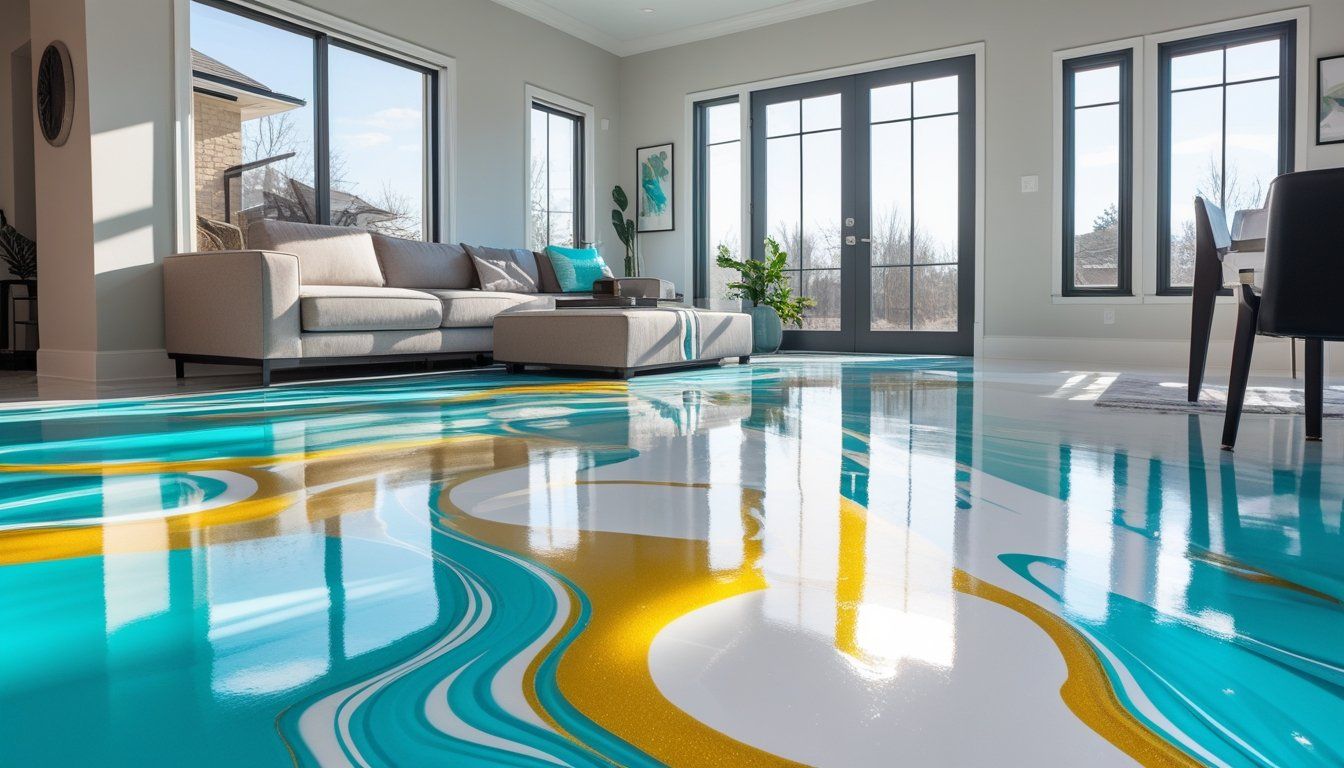
- Metallic Epoxy: Unique, shiny, swirling look—kind of fancy. Popular in upscale or showroom garages.
- Anti-slip Epoxy: Gritty materials or textures keep things safer, even when wet.
Picking the right type depends on how you use your garage and the style you’re after.
Benefits of Epoxy Garage Flooring in Commercial Spaces
When you’re choosing flooring for your commercial garage, you want strength, easy care, and resistance to spills and damage. Epoxy garage flooring really delivers. It stands up to wear and tear, shrugs off chemical stains, and needs very little time for cleaning or upkeep.
Durability and Longevity
Epoxy flooring’s built for heavy use. It forms a tough, protective layer over concrete that resists cracks, chips, and abrasions. Your garage floor stays solid even with constant vehicle traffic and equipment moving around.
The long-lasting nature of epoxy
helps you avoid frequent repairs or replacements. You get years of reliable service, saving money and downtime.
Resistance to Chemicals and Stains
Commercial garages deal with spills from oil, gasoline, and other harsh chemicals. Epoxy floors resist these substances well. The hard surface keeps liquids from soaking in, so stains and damage don’t get a chance to start.
This resistance also protects against corrosion that could wreck the concrete underneath. Keeping your floor safe from chemicals means a cleaner, more professional environment for your staff and customers.
Low Maintenance Requirements
Once you’ve got epoxy flooring, daily cleaning gets easier. Just sweep and mop with mild soap and water to keep things looking fresh.
Its smooth, sealed surface doesn’t let dirt and grime stick, so cleanup’s quick. Unlike plain concrete, you won’t need to seal or wax it over and over. That saves your business time and money, and keeps your garage floor looking neat.
Design Options and Customization
Your commercial epoxy garage floor can look exactly the way you want—function meets style. Choose from a huge range of colors, finishes, and personalized details to make your floor both practical and eye-catching.
Color Choices
With epoxy flooring, color options are almost endless. Go with solid colors like gray, blue, or beige for a clean, professional vibe. Or pick bold shades—red, green, whatever fits your brand or helps your garage stand out.
Some floors use multiple colors and flakes or chips in the epoxy, which hides dirt and adds texture.
Texture and Finish Selection
Different textures and finishes offer more than just looks. Smooth, glossy finishes bounce light around and make your garage look sleek. They’re easy to clean, though they can get slippery if wet.
If you’re worried about safety, add anti-slip textures—grit or small aggregates mixed right into the epoxy —to improve traction. Matte or satin finishes cut glare and hide scratches better than high gloss.
The right finish depends on your garage activities and traffic. If you’re not sure, talk to your installer—they’ll help you find the best fit for safety and style.
Branding and Marking Techniques
You can add custom logos, stripes, or other markings to your epoxy garage floor. This gives your workspace a professional look, helps guide vehicles, or marks out safe zones. Options like stenciling and embedded decals last as long as the floor itself and don’t fade or wear off easily.
Markings also boost safety by clearly showing parking spots or walkways—a big help in busy garages. Adding your team’s logo or brand colors? It’s a nice touch that makes your space feel unique.
Installation Process for Commercial Epoxy Garage Flooring
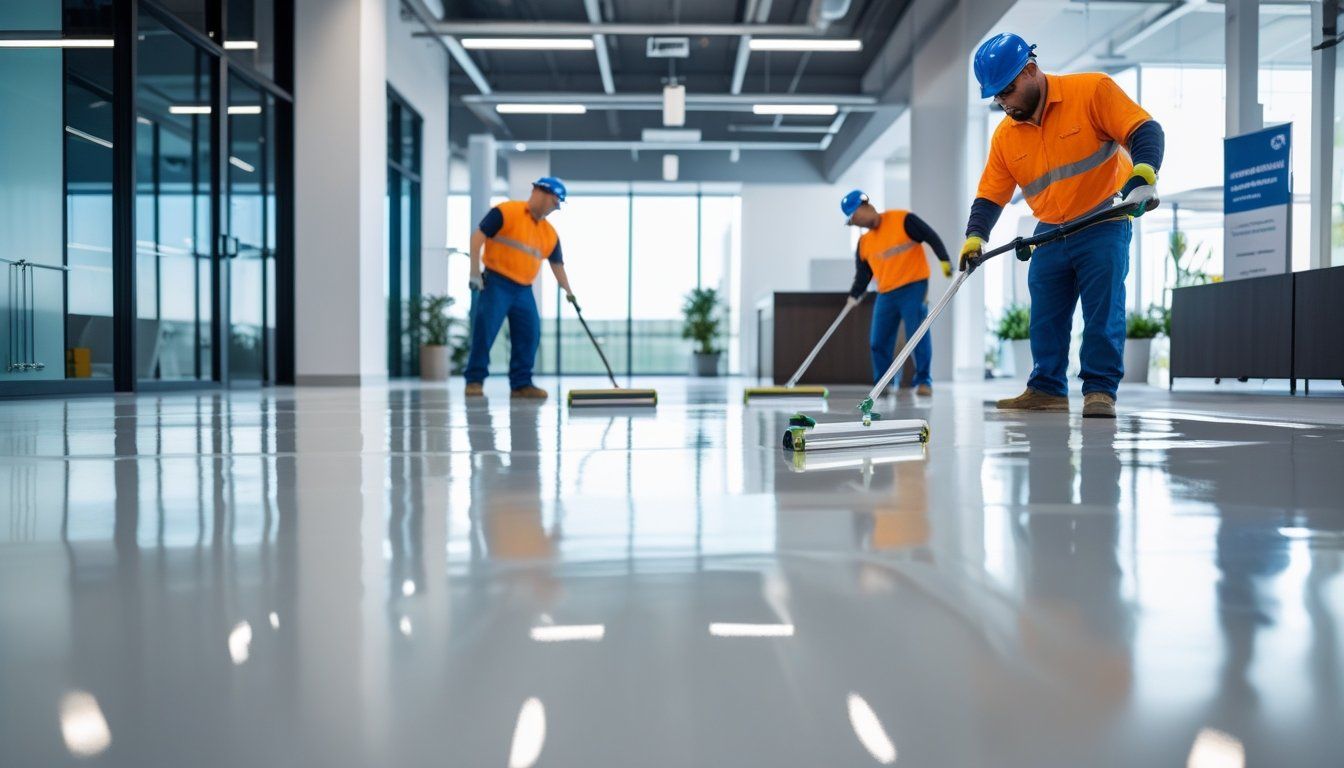
Installing commercial epoxy
garage flooring takes a few careful steps to get a smooth, tough, and good-looking result. You start with surface prep, apply the epoxy, then let it cure properly for lasting results.
Surface Preparation Steps
First, you need to get your garage floor ready. Repair cracks or holes, and clean the concrete—get rid of oil, dirt, and debris. That way, the epoxy bonds well.
Usually, the floor gets roughened up by grinding or shot blasting to help the epoxy stick. Sometimes, you’ll need a moisture test to make sure the concrete’s dry enough. Ventilation and temperature control matter, too. They help the floor finish better and dry faster.
Application Techniques
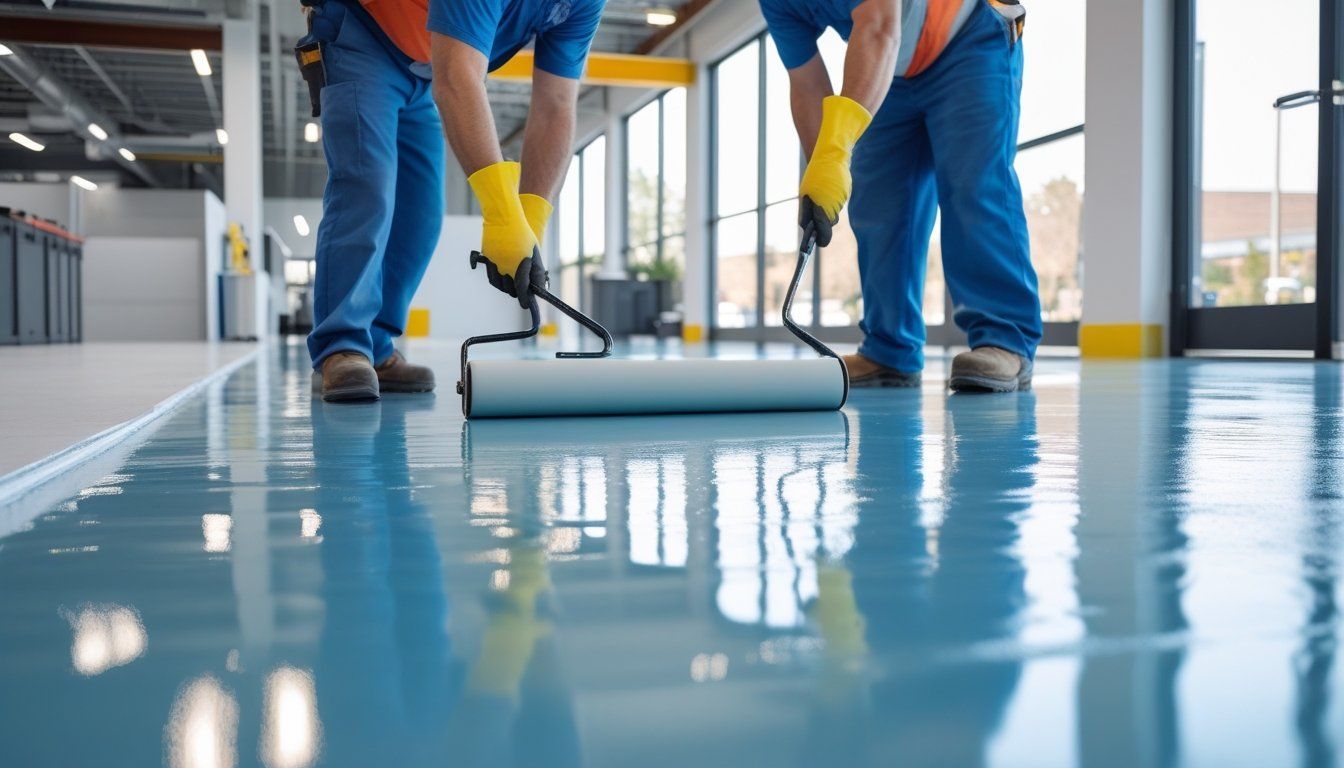
Once the floor’s ready, you mix the epoxy resin and hardener. Then apply it in thin, even coats with rollers or squeegees.
Start with a base coat to seal the surface, then add one or two topcoats for thickness and durability. If you want flakes or anti-slip additives, sprinkle them in while the epoxy’s still wet.
It’s important to spread the epoxy evenly—otherwise, you could end up with lumps, bubbles, or weak spots that shorten the floor’s life.
Curing and Drying Times
The epoxy needs time to harden, usually 24 to 72 hours, depending on the product and conditions. Try not to walk or drive on it during this stage.
Full chemical resistance and max hardness typically show up after about a week. Temperature and humidity can change how fast it cures, so keeping things controlled makes a difference.
Slip-Resistance Standards in Commercial Garages
Safety guidelines from the Occupational Safety and Health Administration emphasize maintaining flooring with enough traction to prevent slips. Especially in areas exposed to oils, water, or cleaning chemicals.
Incorporating aggregates or textured finishes into epoxy helps meet these traction requirements, especially in garages where spills are common. Evaluating slip-resistance ratings before installation ensures your floor supports safer movement for staff, customers, and vehicles.
Common Applications in Commercial Settings
Epoxy flooring’s a reliable choice for lots of commercial spaces. You get more durability, better safety, and easy cleaning. It works well in busy areas that need tough, professional-looking floors.
Warehouses and Distribution Centers
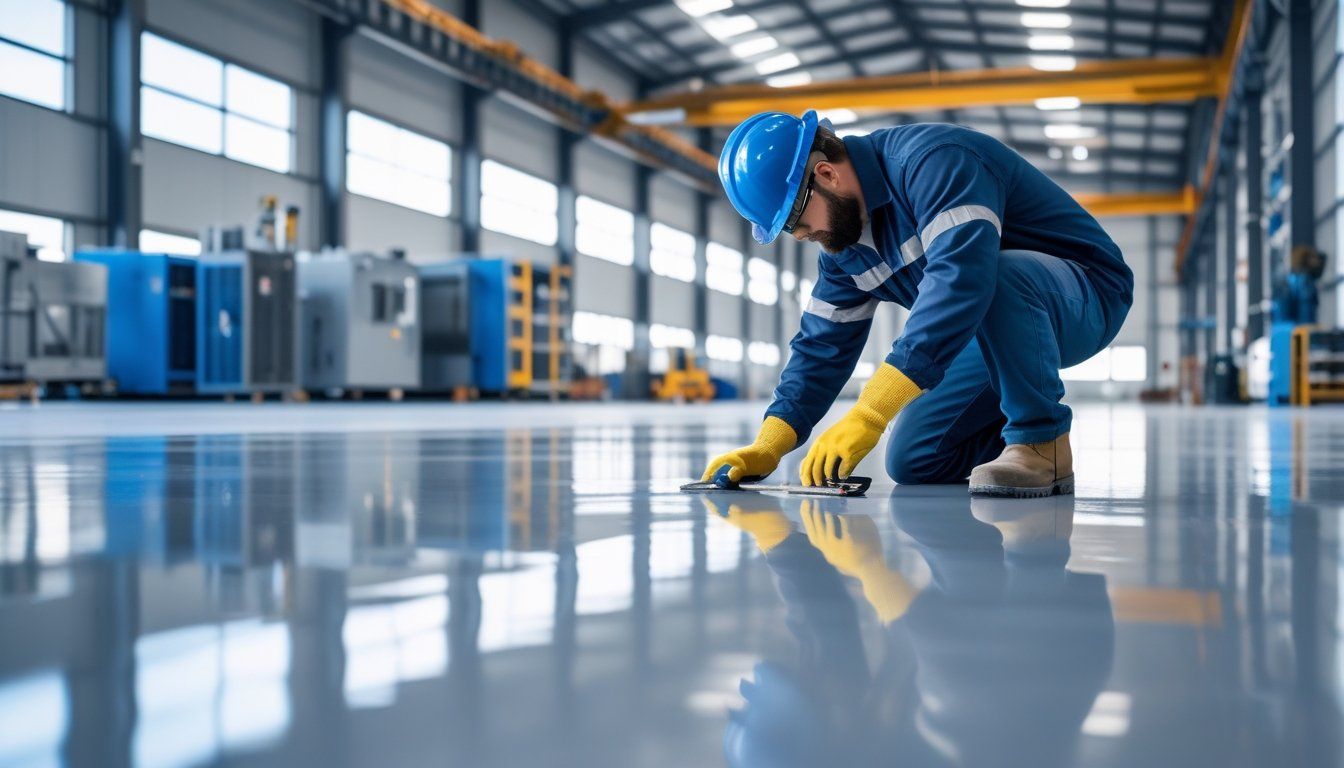
Warehouses see tons of foot traffic, forklifts, and heavy pallets. Epoxy flooring protects concrete from cracks and stains, and it helps prevent dust buildup, making cleaning easier.
Safety’s a big deal here. Epoxy coatings can include anti-slip textures to help prevent falls. The tough surface stands up to chemical spills and heavy loads, so your floor lasts longer. That means less downtime for repairs and a safer workplace.
Local businesses in Cambridge, MA, often pick epoxy for warehouses because it stands up to frequent use and requires little maintenance.
Service Garages
Your garage floor deals with oil spills, dropped tools, and constant vehicle traffic. Epoxy flooring creates a smooth, protective surface that resists stains and damage. Cleanup’s easy, so the space stays safer and cleaner.
It’s durable, too, so it resists scratching and cracking from heavy equipment and cars. You can choose colors and textures that make your garage look more professional and boost your customers’ confidence.
Showrooms
Showrooms need floors that look great and can handle lots of foot traffic. Epoxy flooring gives you a glossy finish that brightens your space and makes your products pop. You can customize the look with colors, flakes, or metallic effects to match your brand.
The easy-to-clean surface means you can keep things polished. It also resists stains from spills, which helps your showroom stay welcoming for customers.
Epoxy flooring in your showroom combines style and function—a floor that impresses and performs well over time.
Comparing Epoxy to Other Commercial Garage Flooring Solutions
When you’re picking flooring for your commercial garage, you’ve got to weigh durability, cost, and how well the floor handles heavy use. You want a surface that stays strong, resists stains, and is easy to clean. Not always an easy call, right?
Epoxy vs. Polyurethane
Epoxy floors stand up to heavy traffic. They shrug off chemicals, oil spills, and scratches, making them a solid pick for garages that get a lot of action. The finish is hard and glossy, so your space ends up looking sharp and professional.
Polyurethane floors
bring more flexibility to the table. They handle temperature swings and sunlight better than epoxy, so you won't see yellowing or cracking in bright or warm spots. But they’re usually a bit softer, which means they can wear out faster if you’re rolling heavy machinery over them all day.
If you’re after something affordable that still holds up and looks good, epoxy is a strong choice. Polyurethane might work better if your garage goes through big temperature changes or you want a little more give in the floor.
Epoxy vs. Polished Concrete
Polished concrete is just your basic concrete, ground down until it’s smooth and shiny. It’s tough and pretty easy to keep clean, but it doesn’t really add much protection beyond what’s already there.
Epoxy floors, on the other hand, put a protective layer right on top of the concrete. This seals up cracks, covers stains, and stands up better to chemicals and spills. Plus, you can get creative with colors and textures, so it’s easier to match the vibe of your garage.
While polished concrete might cost less up front, epoxy flooring provides stronger protection and more design options. Over time, it’s often the smarter investment for most commercial garages.
Maintenance Tips and Best Practices
Taking care of your commercial epoxy garage floor keeps it looking sharp and helps it last. Regular cleaning and quick spill cleanups are the real keys here.
Routine Cleaning Advice
Sweep your epoxy floor daily with a soft broom or use a dust mop to keep dirt and grit from scratching things up. For deeper cleaning, mop with warm water and a mild detergent made for epoxy floors. Skip the harsh or acidic cleaners—they’ll just mess up the finish.
Use a sponge mop or microfiber cloth if you can, and rinse the floor well so it doesn’t get slippery. If your garage sees a lot of action, a weekly clean is a good idea. Throw mats down at entry points to keep dirt outside where it belongs. This basic routine goes a long way toward keeping your floor looking fresh.
Dealing With Spills and Stains
Spills are bound to happen, but if you move fast, you’ll avoid stains. For oil, grease, or chemical spills, blot the spot right away with paper towels or a cloth. Use a gentle degreaser that’s safe for epoxy to clean up. Rinse with water afterward.
Don’t use anything too abrasive—no steel wool. Stick to soft brushes or sponges. For stubborn stains, let a non-abrasive cleaner sit for a few minutes before wiping. Cleaning up quickly keeps the finish strong and your garage looking professional.
Cost Considerations and Budgeting
Figuring out what drives the price of commercial epoxy garage flooring—and what you get for your money—can help you budget smarter. Costs swing depending on a few big factors, but paying for quality up front usually means your floor lasts longer and saves you money down the line.
Factors Impacting Pricing
The main things that drive up the cost
of epoxy flooring are the size of your garage and the condition of the concrete underneath. If your floor has cracks, stains, or rough spots, fixing those will add to the bill.
The type and thickness of the epoxy also matter. Thicker coatings last longer but cost more. Decorative options—like color flakes or metallic finishes—will bump up the price, too.
Labor and prep work aren’t small details. Professionals who prep the surface right help make sure your floor goes the distance. Where you’re located can affect the price a bit, depending on local demand and what’s available.
Long-Term Value
Epoxy flooring gives you more than just a decent price tag. Its toughness means you won’t be patching or replacing it as often, which saves money in the long run. The floor shrugs off stains, chemicals, and heavy traffic, so it’s a good fit for commercial garages.
Maintenance is simple and cheap. Just keep it clean—no fancy treatments needed. Anti-slip coatings help with safety, which can save you headaches and costs from accidents.
Choosing a Professional Epoxy Flooring Contractor
Picking the right contractor really changes the outcome of your garage flooring. You want a team with experience and the right skills. Don’t be shy about asking questions to make sure they’re a good fit for your needs, your timeline, and your budget.
Qualifications to Look For
Check that the contractor has proper licenses and insurance. That’s your safety net if something goes sideways. Look for experience with commercial epoxy flooring specifically, since it takes some know-how to handle heavy traffic and chemical exposure.
Ask about the materials and methods they use. A good contractor should offer a range of design choices and finishes. Local knowledge is a bonus, too—they’ll know what works best in your area. It’s smart to look up reviews or ask for testimonials from past clients.
Questions to Ask Before Hiring
Ask how long the project will take. You want a clear schedule so you’re not stuck waiting. Find out how they prep the floor before putting down epoxy—good prep is what makes the floor last.
Ask about warranties on materials and labor. That’s a sign they stand behind their work. Make sure you get a detailed, written quote with no hidden fees. And ask how they’ll handle clean-up and keep your site protected during the job. Honest, straightforward answers make it easier to trust your choice.
Latest Trends in Commercial Epoxy Garage Flooring
Epoxy flooring’s gotten a lot more interesting lately. Now you can pick from all sorts of colors and finishes that make your garage floor both tough and good-looking. Metallic and flake designs are everywhere—they add depth and texture, and honestly, they just look cool.
Safety matters, especially in busy commercial garages. Lots of floors now include anti-slip textures to help prevent accidents when things get wet or messy. That’s a win for everyone working in the space.
Low-maintenance coatings are trending, too. Epoxy floors that resist stains, chemicals, and heavy wear mean less cleaning and more time for, well, everything else. Your floor stays looking sharp even with daily abuse.
Maybe it’s time to upgrade to a floor that works hard and looks good every day. There are a lot of options out there worth exploring.
A Floor That Works as Hard as Your Business
Commercial epoxy garage flooring gives you strength, safety, and easy upkeep in one dependable surface. It brightens work areas, resists spills, and keeps your space looking organized, all while handling heavy vehicle traffic day after day.
Partnering with Cambridge MA Epoxy Flooring means your project receives expert installation.
We also deliver finishes suited to commercial garage demands across Cambridge and Greater Boston. Their coatings are designed to last while supporting the daily workflow of busy operations.
If you’re exploring options for your business, now’s a great time to compare and make decisions. Contact us to schedule
a consultation to plan the right epoxy system for your commercial garage.
Frequently Asked Questions
Epoxy flooring brings a lot to the table: durability, easy cleaning, and protection from chemicals. Costs depend on materials and installation. Picking the right type and installer helps make sure your floor lasts and looks sharp.
What's the best type of epoxy for commercial garage floors?
You’ll want a high-build epoxy built for heavy traffic and machinery. Two-part systems with polyamine or polyamide hardeners are a solid bet. They’re tough against wear, chemicals, and impacts.
How do I purchase commercial epoxy flooring materials?
You can buy materials from local suppliers or reputable online stores. Look for “commercial grade” or “industrial strength” products. It’s smart to get advice from pros on what you’ll need for coverage and prep.
Can you recommend a reliable installer of epoxy garage flooring near me?
Check out local companies with good reviews and a track record in your area. Ask for a consultation and a quote before you commit.
How much should I expect to pay for a commercial-grade epoxy garage floor?
Most jobs land between $3 and $12 per square foot. The price depends on floor size, epoxy type, prep work, and any extras like anti-slip textures. Always ask for detailed quotes so you can compare apples to apples.
What are some potential drawbacks of choosing epoxy for my garage floor?
Epoxy can get slippery when wet unless you add an anti-slip additive. It may yellow over time if it gets a lot of sunlight. And if you don’t prep the surface right, you risk peeling or chipping down the road.
What makes a garage floor coating kit 'commercial grade'?
Commercial-grade kits use thicker epoxy resins, stronger hardeners, and extra additives that boost chemical and abrasion resistance. These kits handle heavy traffic, machinery, and tough environments way better than the basic options you’ll find out there.
Learn how commercial epoxy flooring installation upgrades business spaces in Cambridge, MA. Explore safety, cost, maintenance, and installation insights.
Explore durable residential epoxy flooring services in Cambridge, MA. Learn benefits, finishes, installation steps, and maintenance tips for your home.
Explore durable residential epoxy flooring services in Cambridge, MA. Learn benefits, finishes, installation steps, and maintenance tips for your home.
Learn the pros and cons of residential epoxy flooring in Cambridge, MA. Explore durability, safety, costs, installation steps, and maintenance tips.
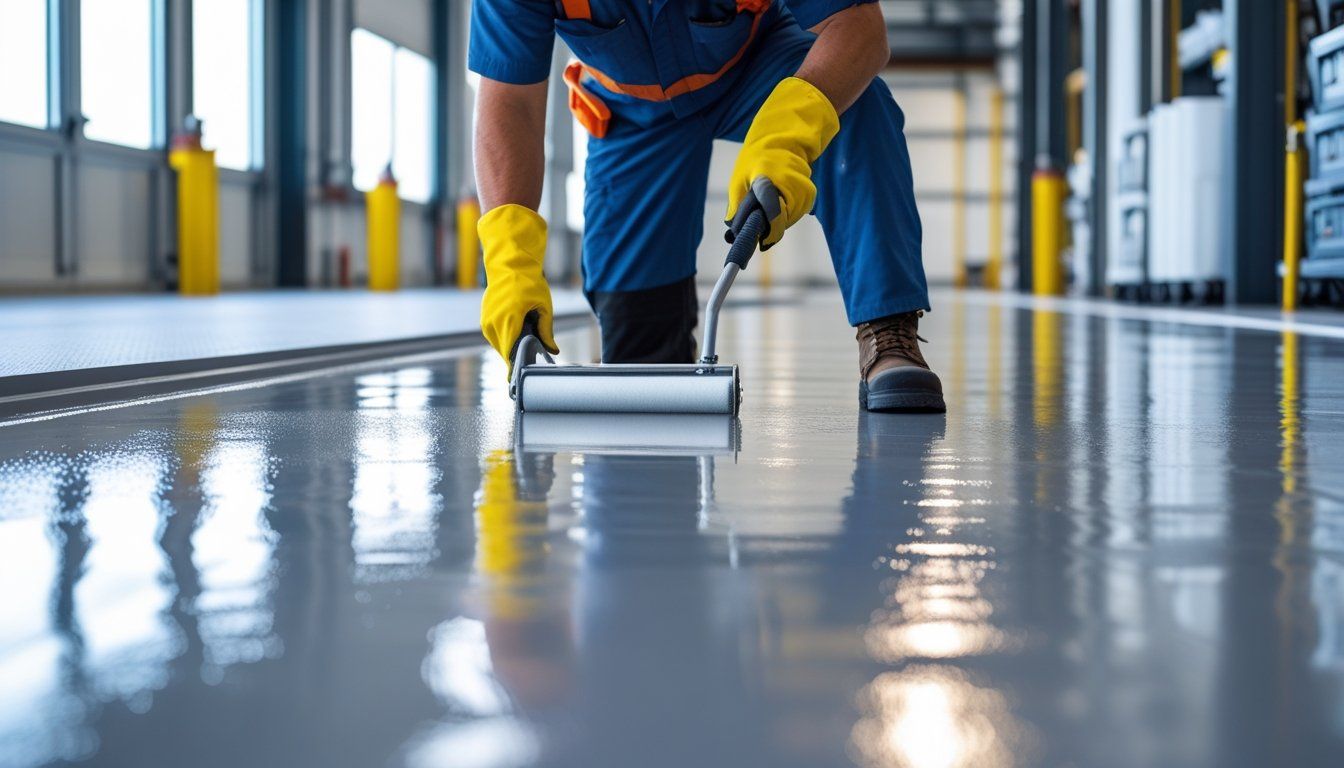
Explore industrial epoxy flooring service in Cambridge, MA. Learn benefits, types, installation steps, safety factors, and maintenance tips for busy facilities.
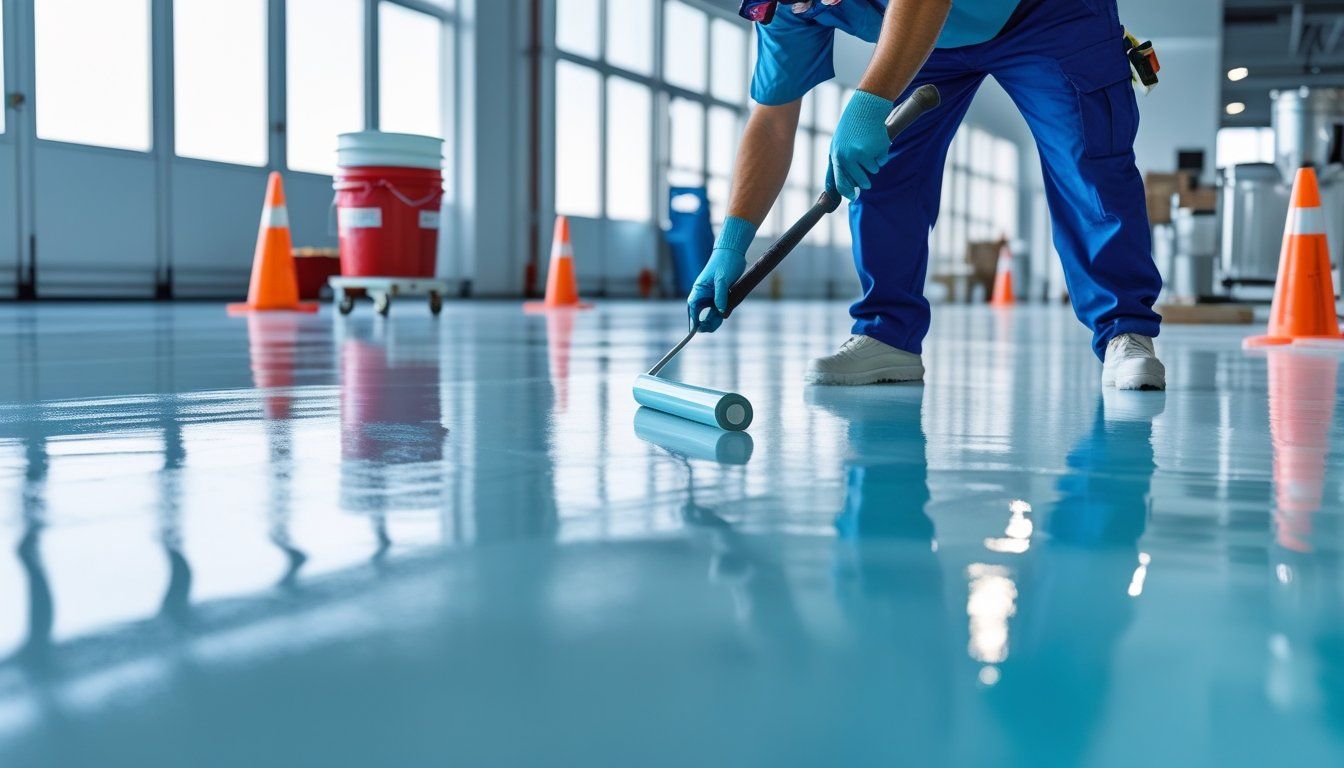
Explore epoxy flooring services in Cambridge, MA. Learn systems, benefits, installation steps, and options for durable residential and commercial spaces.
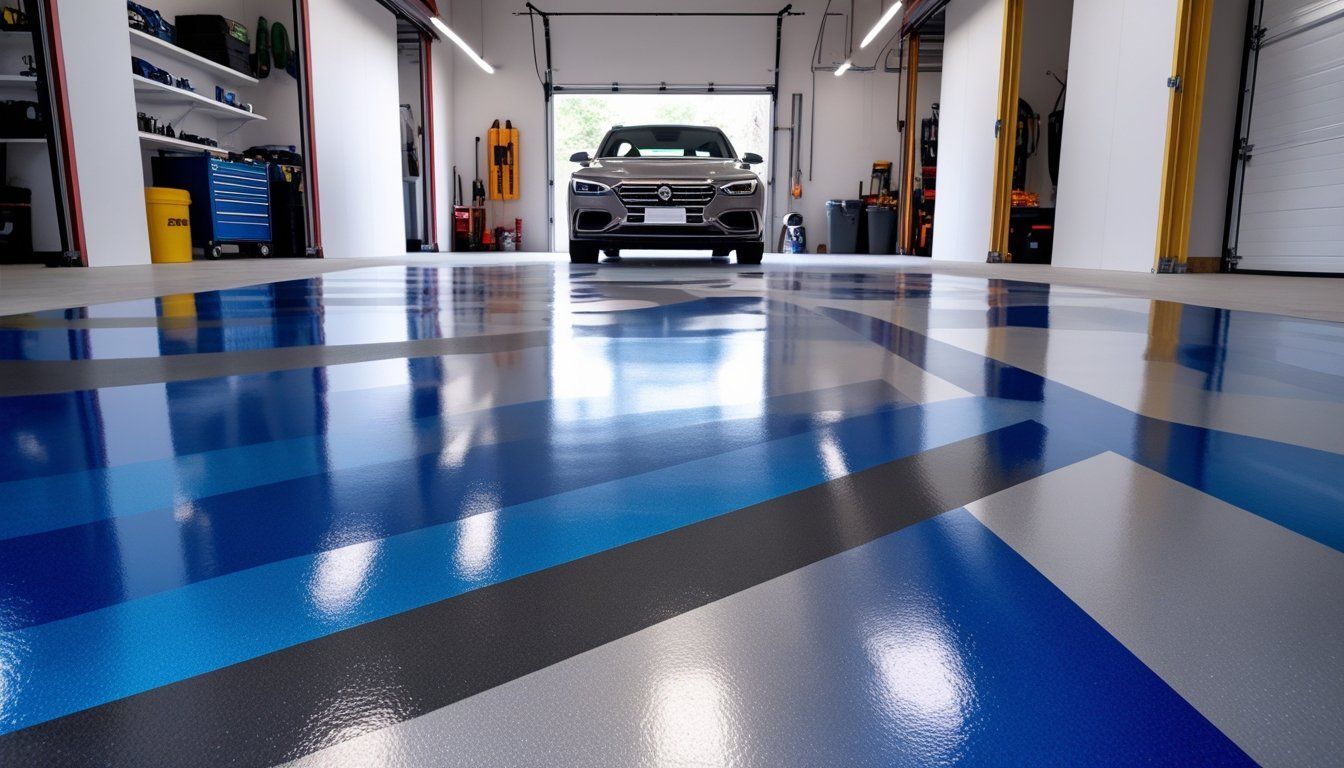
Explore garage epoxy floor colors in Cambridge, MA. Discover design ideas, color trends, finishes, and how lighting and texture impact your choice.
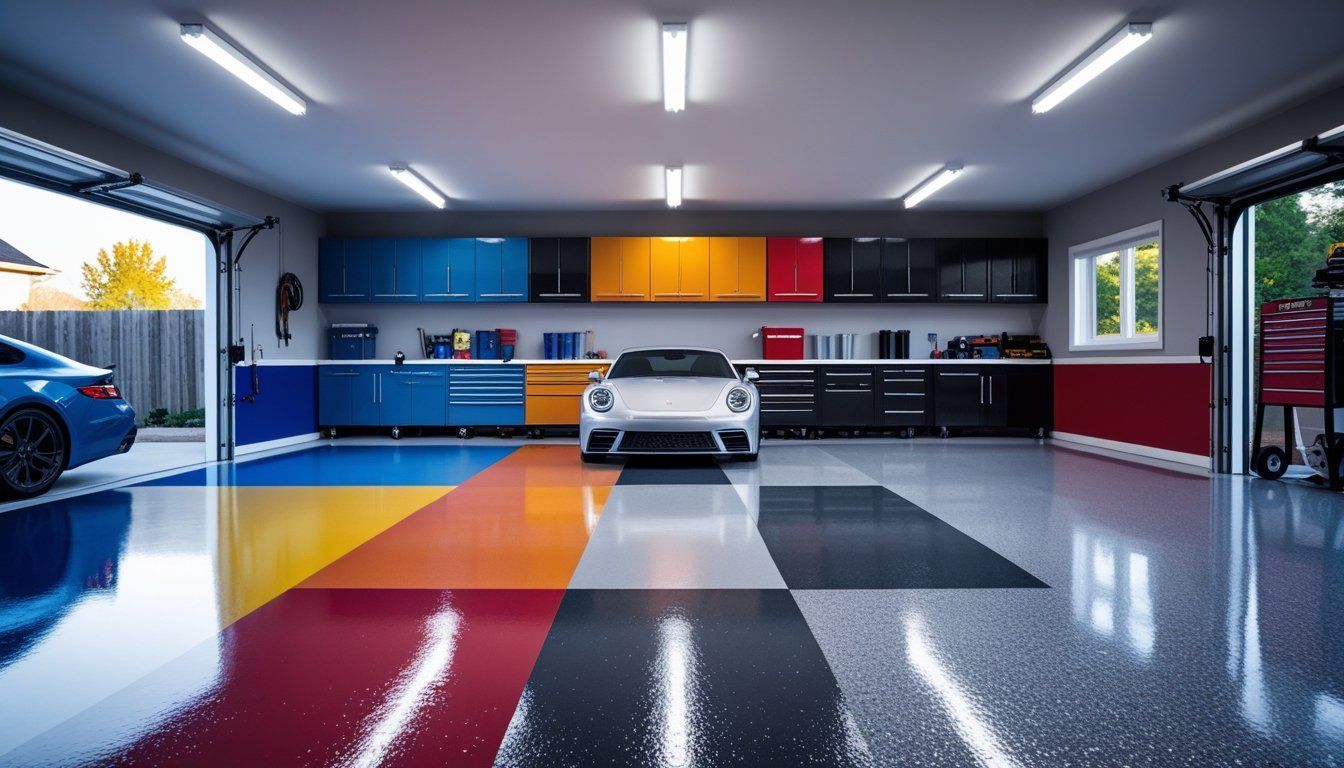
Explore garage floor epoxy colors, finishes, and safety benefits for Cambridge homes. Learn how to choose shades that brighten, protect, and perform.
Discover commercial epoxy flooring services that enhance durability, safety, and style for businesses in Cambridge and Greater Boston.
Learn the benefits of industrial epoxy flooring in Cambridge MA. Discover cost, durability, safety, and design tips for warehouses, factories, and labs.