Residential Epoxy Flooring Pros and Cons in Cambridge, MA
Daniel McGonagle • November 21, 2025
Residential epoxy flooring in Cambridge, MA offers a practical balance of durability, style, and easy upkeep for homeowners looking to upgrade their living spaces. It works well in garages, basements, utility rooms, and even living areas where you want a clean, modern finish.
With Cambridge MA Epoxy Flooring, you gain local insight
and materials suited to the conditions of Cambridge and Greater Boston homes. Each installation is planned to support long-term performance while matching the design you want.
This guide explores the real pros and cons of residential epoxy flooring, helping you understand the benefits, drawbacks, installation needs, and maintenance so you can make an informed choice for your home.
What Is Residential Epoxy Flooring?
Residential epoxy flooring is a popular way to give your home’s floors a facelift and make them tougher. The process uses a special coating over concrete, creating a smooth, shiny surface that’s easy to keep clean. You’ll see this flooring in garages, basements, patios, and workshops—places that take a beating.
You can pick from several types of epoxy, each with its own finish and toughness. Epoxy stands out for its resistance to stains and damage. Plus, it gives your home a modern, polished vibe without wrecking your budget.
Basic Overview
Mixing resin and hardener creates epoxy flooring. This combo forms a strong chemical bond when applied to concrete. Once it dries, you get a solid layer that shrugs off wear, moisture, and chemicals. That’s why it’s a go-to for garages or basements where floors get used hard.
Installation usually takes a few days. There’s prep, mixing, application, and curing time. The result? A seamless surface—no cracks or grout lines—so dirt has nowhere to hide.
Types of Epoxy Flooring for Homes
Here are a few common types of epoxy flooring you might consider:
- Solid Color Epoxy: Smooth and bold, you can get it in just about any color.
- Metallic Epoxy: Swirly, shiny patterns for a more decorative look.
- Epoxy with Decorative Flakes: Adds grip and texture with little chips of color.
- Anti-slip Epoxy: Designed for safer footing if your floor gets wet or oily.
Each type can be customized to match your style and needs. You’ve got plenty of room to get creative or keep it classic, depending on what you want for your space.
Epoxy works best in spots that need tough, easy-care flooring without giving up on style. Its sealed surface
tends to last longer than many other options, so if you’re after durability and design, it’s worth a look.
Benefits of Residential Epoxy Flooring
Epoxy flooring brings a mix of strength, style, and convenience that makes it a favorite for lots of homeowners. It handles heavy wear, looks sharp, and cuts down on cleaning time.
Durability and Longevity
Epoxy floors can take a beating. They form a hard, protective shell over your concrete, resisting cracks, chips, and stains. So, if you drop a tool or drag something heavy, the floor holds up.
The coating stands up to moisture and chemicals, too, which helps in garages or basements. Since it bonds tightly, you won’t see it peeling or fading quickly.
Aesthetic Appeal
You don’t have to pick between function and style. Epoxy flooring can turn boring concrete into a smooth, glossy surface with tons of color and design options.
Whether you like solid colors, metallics, or flakes, there’s a look for you. The seamless finish gives a clean, modern vibe that can really brighten up a garage, basement, or patio.
Easy Maintenance
Epoxy floors are a breeze to maintain. Their smooth, non-porous surface doesn’t trap dirt or spills, so a quick wipe with a mop or cloth usually does the trick.
They resist stains from oil, chemicals, and other messes. That means less scrubbing and more time for, well, anything else. With their durability, you won’t need to repair or replace them often—great for busy households or hobby spaces.
Drawbacks of Epoxy Flooring in Homes
Epoxy flooring isn’t all sunshine and rainbows. There are a few drawbacks you should know about—like safety issues, tricky installation, and how sunlight can mess with the finish. It’s important to keep these in mind before you commit.
Potential for Slipperiness
Here’s the thing: epoxy floors can get slippery, especially when wet. That’s a safety risk for areas where spills or moisture happen, like garages or basements. You can add anti-slip additives or go for a textured finish to help with grip.
If you’ve got kids, pets, or older family members, adding some grip is just smart. Bare epoxy without texture is slick, so don’t skip this step if safety’s a concern.
Installation Challenges
Installing epoxy flooring isn’t a weekend DIY project for most folks. You have to start with a clean, dry, crack-free surface. Any moisture in the concrete can wreck the final result—think peeling or bubbling later on.
The process also needs the right temperature
and humidity to cure properly. It takes a few days, and you might need to stay off the floor while it sets. Because of all this, most people call in a pro to get it right.
Sensitivity to UV Light
Epoxy flooring doesn’t love sunlight. Over time, it can yellow or fade if it gets a lot of direct sun. If your garage or patio is sun-drenched, you might notice the color change.
Some epoxy products have UV-resistant coatings, but they’re not magic. Even with protection, you might see some fading over the years. If this bothers you, ask about UV-protected options before you start.
Installation Process and Requirements
Epoxy flooring installation has a few key steps if you want the surface to last and look good. You’ll need a clean, dry floor, the right application method, and enough time for it to cure before you start using the space again.
Surface Preparation
First things first: get the floor clean and smooth. That means scrubbing away dirt, grease, and old coatings. You’ll need to fix any cracks or holes so the surface is even.
Most concrete floors need grinding or shot blasting to open up the pores. This helps the epoxy stick. Moisture is the enemy here—if there’s water in the concrete, bubbles or peeling can show up later.
If you skip good prep, the epoxy just won’t last. It’s one of those steps you can’t rush or ignore.
Application Steps
Epoxy comes in two parts: resin and hardener. Once you mix them, you’ve got a limited window to spread it out.
Usually, you start with a primer to seal the concrete. Then, you roll or squeegee on a base coat. If you want flakes or color chips, you toss them on while it’s still wet for some extra flair and grip.
A final topcoat seals everything in, protecting against wear and chemicals. Getting this right helps the floor last and look sharp.
Curing Times
Curing depends on temperature and humidity, but it generally takes a few days. The floor might feel dry after 12 hours, but you shouldn’t walk on it heavily for 3 to 7 days.
Full curing can take up to two weeks. During this time, keep water, heavy stuff, or harsh cleaners off the floor. Give it time to get as tough as it’s supposed to be.
Cost Considerations for Epoxy Flooring
Epoxy flooring costs more than just the initial price tag. Think about what you pay up front, the value you get over time, and what can bump up the price.
Knowing this helps you decide if it fits your budget and what you’re getting into.
Initial Investment
The cost depends mostly
on your floor’s size and condition. Most homeowners spend between $3 and $12 per square foot for professional installation.
If your floor has cracks, stains, or other issues, fixing them before the epoxy goes down adds to the cost—but it’s worth it for a better, longer-lasting result.
Custom colors, flakes, or special finishes can also raise the price. But honestly, these touches make your floor stand out and feel more like your own. It’s always a good idea to get a clear quote upfront, so you know what you’re signing up for.
Long-Term Value
Epoxy floors are tough and low-maintenance. You’ll save money on cleaning products and repairs compared to other flooring types. The sealed surface resists stains, spills, and wear, which means fewer costs for upkeep.
Installed well, epoxy flooring can last anywhere from 10 to 20 years. That’s a solid return on investment for your garage, basement, or workshop. You won’t have to deal with expensive floor replacements or fuss over keeping your space looking decent.
Since epoxy is durable and easy to clean, it protects your concrete from damage, too. You’re basically helping your home hold its value by keeping floors in good shape for the long haul.
Factors Affecting Price
Several things can change how much epoxy flooring ends up costing:
- Floor size: Bigger spaces cost more overall, but you might get a lower price per square foot.
- Floor condition: Got cracks, stains, or moisture? Those need extra prep, so expect a higher bill.
- Epoxy type: Basic coatings are cheaper. Decorative or industrial-grade versions? Not so much.
- Customization: Colors, flakes, metallics, anti-slip textures—each one bumps up the total.
- Local labor rates: Installation costs in Cambridge and Greater Boston can run higher due to demand and expertise.
Maintenance and Care Tips
Keeping your epoxy floor looking sharp doesn’t take much—just some regular care. Clean it the right way, protect it from dings, and check it now and then. Catch little problems early, and you’ll save yourself bigger headaches later.
Cleaning Recommendations
To clean your epoxy floor, start with a soft broom or dust mop to pick up dirt and debris each day. Skip harsh cleaners with acids or ammonia; those just dull the finish for no good reason.
For mopping, go with warm water mixed with mild detergent or a gentle epoxy floor cleaner. Don’t flood the place—use a damp mop and dry the surface soon after. Tough oil stains? A soft brush and a little dish soap usually do the trick.
Steer clear of abrasive scrubbers or steel wool. They’ll scratch up your floor and kill the shine. Always rinse well after cleaning
so you don’t get weird residue building up.
Preventing Damage
Stick felt pads under heavy furniture and equipment. Don’t drag sharp or heavy stuff across the floor—scratches and chips are no fun to fix. If you’re working in a garage or workshop, wipe up oil, chemicals, and paint spills fast. Letting them sit can stain or mess up the coating.
Throw down mats or rugs at entryways to cut down on dirt and moisture from shoes. It helps with slipping, especially on wet days. Anti-slip epoxy options are out there, too, if you want extra peace of mind in busy spots.
Routine Inspections
Take a look at your epoxy floor now and then for cracks, chips, or dull patches. Fixing small stuff early keeps your floor strong and good-looking.
Watch for lifting or bubbling—those can mean you’ve got moisture or adhesion issues. If you see that, reach out to your installer so you can get it sorted out. Routine inspections help your floor go the distance, especially where there’s lots of foot traffic.
Environmental and Health Impacts
Epoxy flooring has its upsides and downsides for health and the environment. If you want to know how it might affect indoor air or what greener options are available, it’s worth digging in a bit before making a choice.
Why Ventilation Matters During Installation
Proper airflow during epoxy installation can significantly reduce exposure to volatile organic compounds. According to the Environmental Protection Agency, VOCs can build up
indoors without enough ventilation, increasing the likelihood of irritation or short-term health effects.
Opening windows, using fans, or choosing low-VOC formulations helps homeowners keep indoor air safer until the coating fully cures. These steps support healthier installation conditions and a more comfortable home environment.
Indoor Air Quality
During installation, epoxy can give off fumes called volatile organic compounds (VOCs). If the area isn’t ventilated, these can cause headaches, dizziness, or irritation. The silver lining? Once the floor’s fully cured, those fumes drop off fast.
If you or someone in your family has allergies or breathing issues, ask about low-VOC products. Good ventilation during and after installation is key to healthier indoor air.
Eco-Friendly Epoxy Options
Not all epoxy is created equal for the environment. Some use water-based or low-VOC resins, which are less harsh on air quality and your health. These choices also mean less chemical waste during installation.
Going with eco-friendly epoxy means you’re cutting down on pollution and shrinking your carbon footprint. You still get a tough, long-lasting floor—just with a lighter impact. Plenty of local suppliers in Cambridge and Greater Boston offer greener options if you’re aiming for sustainability with your next project.
Design and Customization Options
There’s a lot of room to make your epoxy floor match your style. From colors to textures and finishes, you can get a look that fits your home and still keeps things practical and safe.
Color Choices
Epoxy flooring comes in all sorts of colors. You can go classic with gray, blue, or beige, or pick something bold like red or green if you want to make a statement.
Lots of folks like tossing in decorative flakes or metallic pigments for extra depth and sparkle. You can even mix colors for patterns or borders. The flexibility is there to suit your taste and your home’s vibe.
Textures and Finishes
Epoxy floors can be glossy or matte, depending on what you pick. Glossy finishes give you bright, shiny floors that are easy to clean and really show off the design. Matte finishes cut down glare and hide scratches better, which is handy in busy rooms.
You can also add texture for safety. Anti-slip coatings help prevent falls, especially in wet or high-traffic areas like garages or basements. There are plenty of options to keep your floors looking sharp and safe for the family.
Longevity Compared to Other Residential Floors
Epoxy flooring outlasts a lot of regular floor types since it stands up to daily wear, stains, and spills. Seeing how epoxy stacks up against other flooring can help you decide
what’s best. It’s also good to know when your epoxy floor might need some TLC or a replacement.
Comparing Life Expectancy
Epoxy floors can last 10 to 20 years if you install and maintain them correctly. That’s longer than most hardwood, carpet, or vinyl options. Hardwood scratches and stains, carpet gets dingy, and vinyl just doesn’t hold up the same way.
Epoxy shrugs off heavy traffic, moisture, and chemicals. It doesn’t chip or peel as quickly as other floors. That’s why it’s such a go-to for garages and basements where floors take a beating.
Keep up with maintenance, and your epoxy floor will look good and stay strong for years.
Signs Epoxy Flooring Needs Replacement
Even though epoxy’s tough, you might spot cracks, peeling, or big chips after heavy use or if it’s been neglected. Those are signs the protective layer’s wearing out. Faded or dull spots can show your floor’s getting old, especially with colored or decorative epoxy.
If it gets slippery or starts trapping dirt, it might be time for repairs or a new coat. Sometimes you can fix small damaged spots without redoing the whole floor. But if problems are all over, a fresh epoxy coating will keep your space safe and looking good.
A Practical Look at What Epoxy Brings to Your Home
Residential epoxy flooring offers real advantages—strong performance, easy cleaning, and a wide range of design options that hold up well in busy home environments. It also comes with trade-offs like curing time, installation needs, and sensitivity to sunlight.
With Cambridge MA Epoxy Flooring, you receive guidance rooted in local experience. Our installations are designed to handle the conditions common across Cambridge and Greater Boston homes. That combination supports both durability and appearance throughout everyday use..
If you're considering epoxy flooring, now is a good time to explore different finishes, textures, and colors. Request a personalized estimate to find a system that complements your home’s style and suits daily use. Reach out today
for your custom epoxy flooring quote.
Frequently Asked Questions
Epoxy flooring has a lot going for it—durability, style options, and easy care. Still, you might have questions about how it handles wet areas, safety, or costs before you dive in.
What are the main advantages of choosing epoxy flooring for my home?
Epoxy flooring is strong and resists stains, spills, and scratches. It can brighten your space with different colors and finishes. It’s easy to clean and lasts a long time, making it good for busy areas like garages or basements.
How does epoxy flooring stand up to high moisture areas like bathrooms?
Epoxy forms a sealed, waterproof surface that doesn’t absorb water. This helps prevent mold and damage in damp spaces. Because it’s non-porous, it’s a smart choice for bathrooms and laundry rooms.
Are there any slip-resistant options for epoxy floors in residential settings?
Yes. You can add textures and anti-slip coatings to make epoxy floors safer, especially if you have kids or pets. These options help prevent slips without sacrificing style.
Can epoxy floors be a cost-effective solution compared to other types of home flooring?
Epoxy floors often cost less than hardwood or tile over time because they need fewer repairs and last longer. You also save money on cleaning since epoxy is simple to maintain.
How does the durability of residential epoxy flooring compare to other materials?
Epoxy is more resistant to cracks, stains, and heavy use than many flooring types. It holds up well under daily wear in garages, basements, and workshops.
What maintenance should I expect with epoxy flooring in my home?
Cleaning epoxy floors is pretty straightforward—just grab a mop and some mild detergent. You don’t have to polish or refinish them very often, but it’s smart to steer clear of harsh chemicals that might mess up the surface.
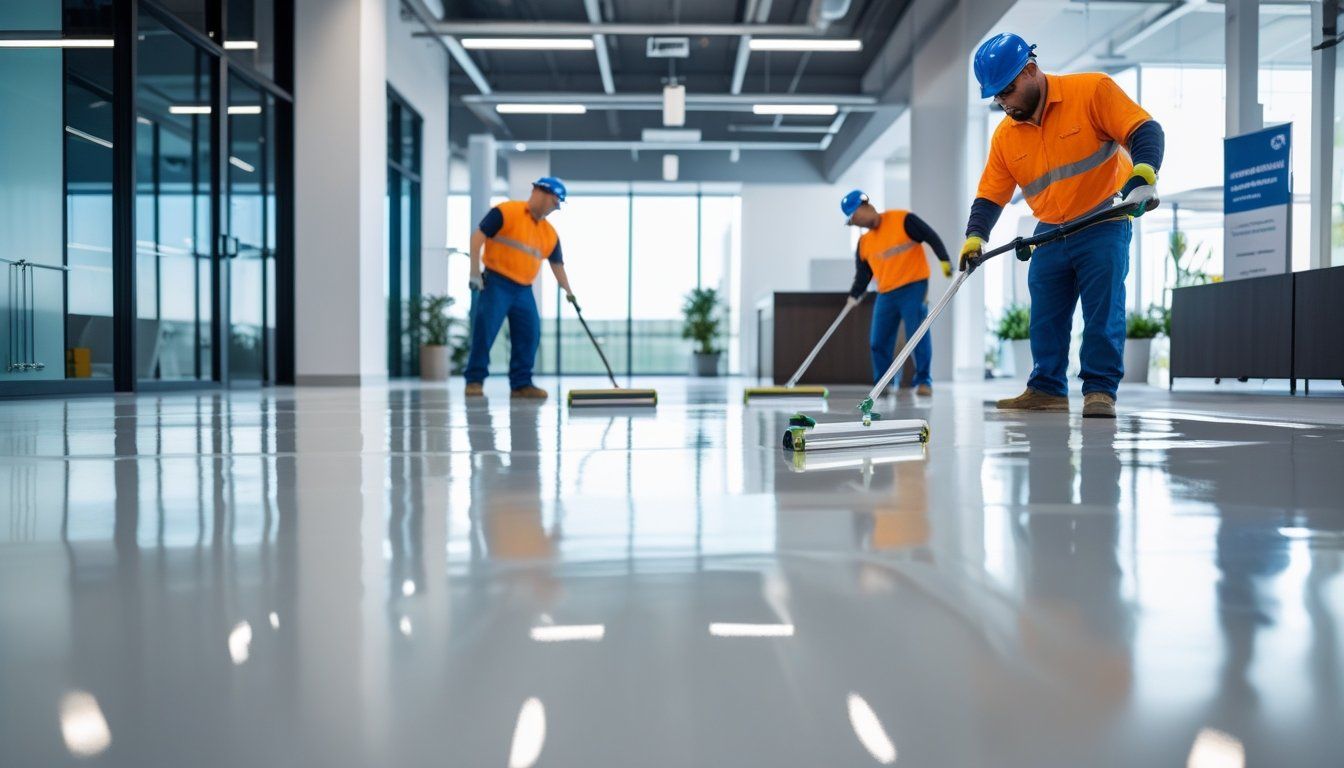
Learn how commercial epoxy flooring installation upgrades business spaces in Cambridge, MA. Explore safety, cost, maintenance, and installation insights.
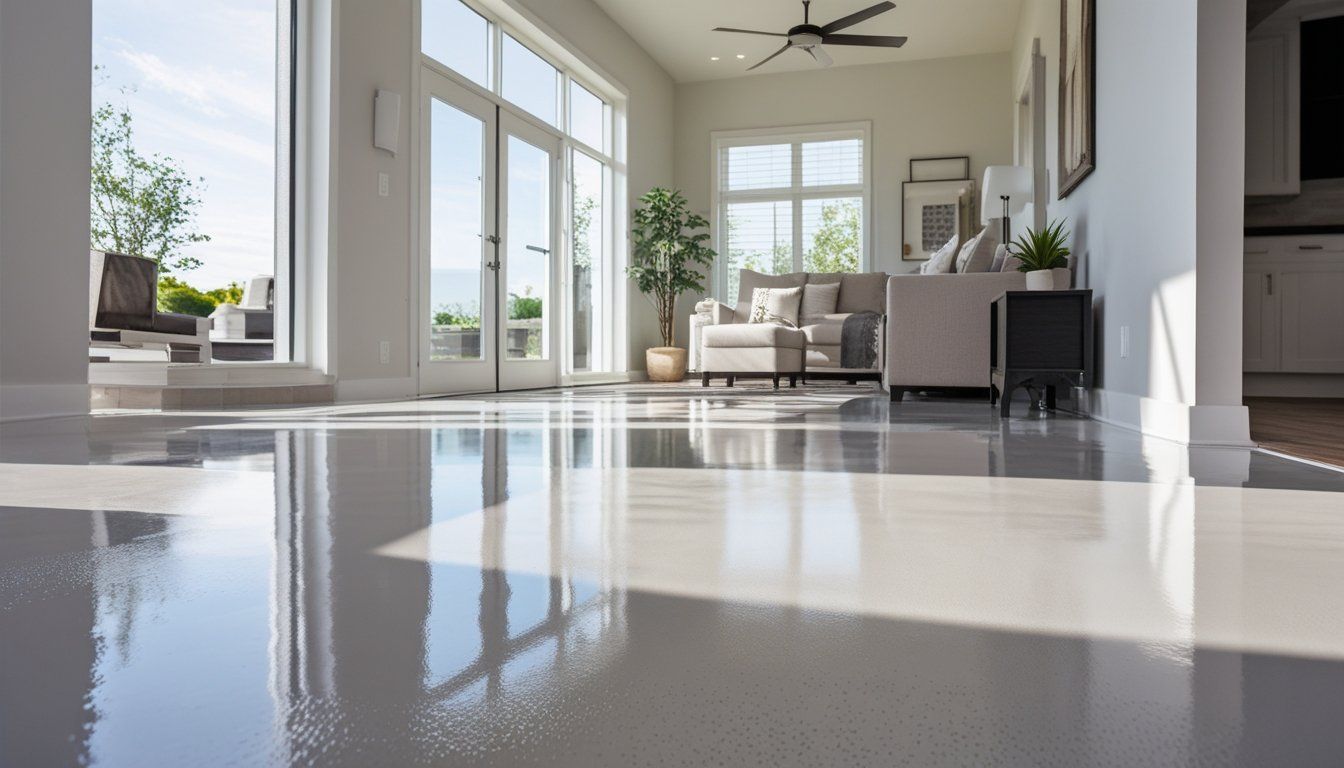
Explore durable residential epoxy flooring services in Cambridge, MA. Learn benefits, finishes, installation steps, and maintenance tips for your home.
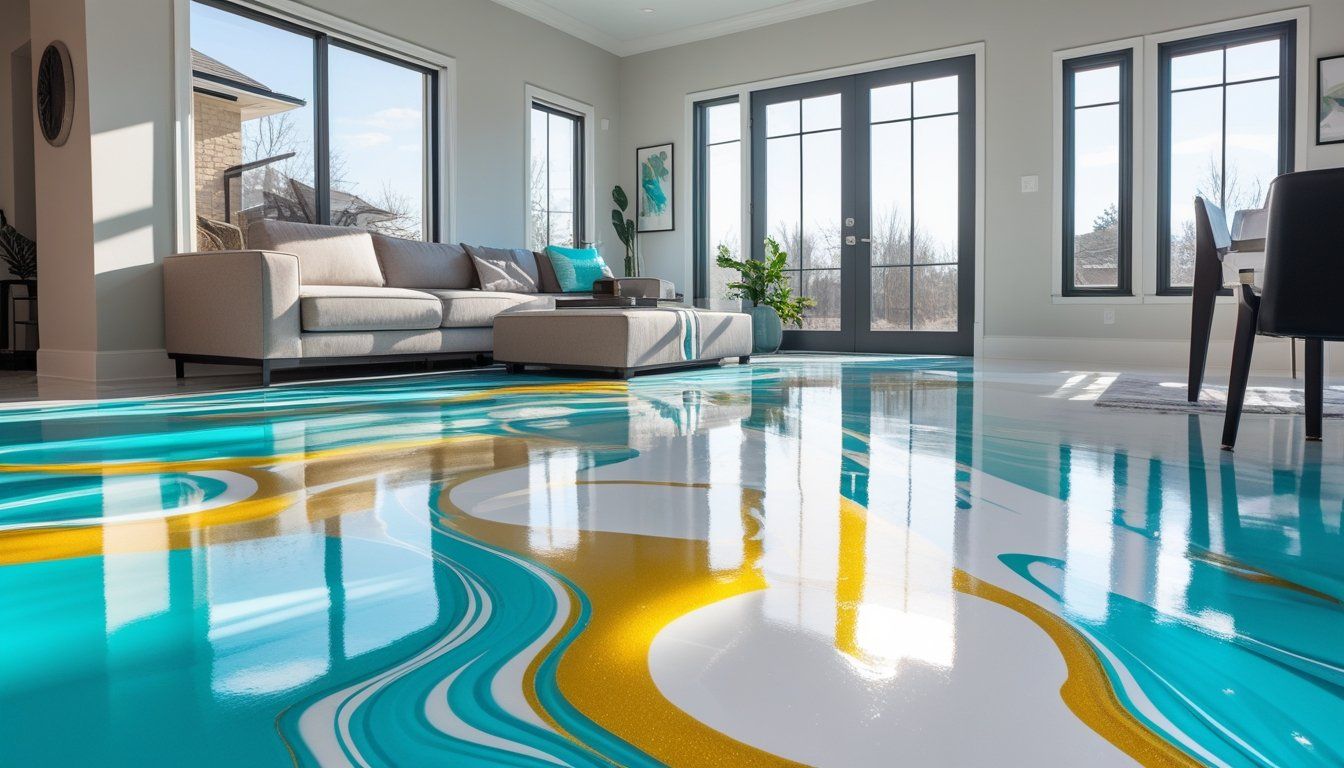
Explore durable residential epoxy flooring services in Cambridge, MA. Learn benefits, finishes, installation steps, and maintenance tips for your home.
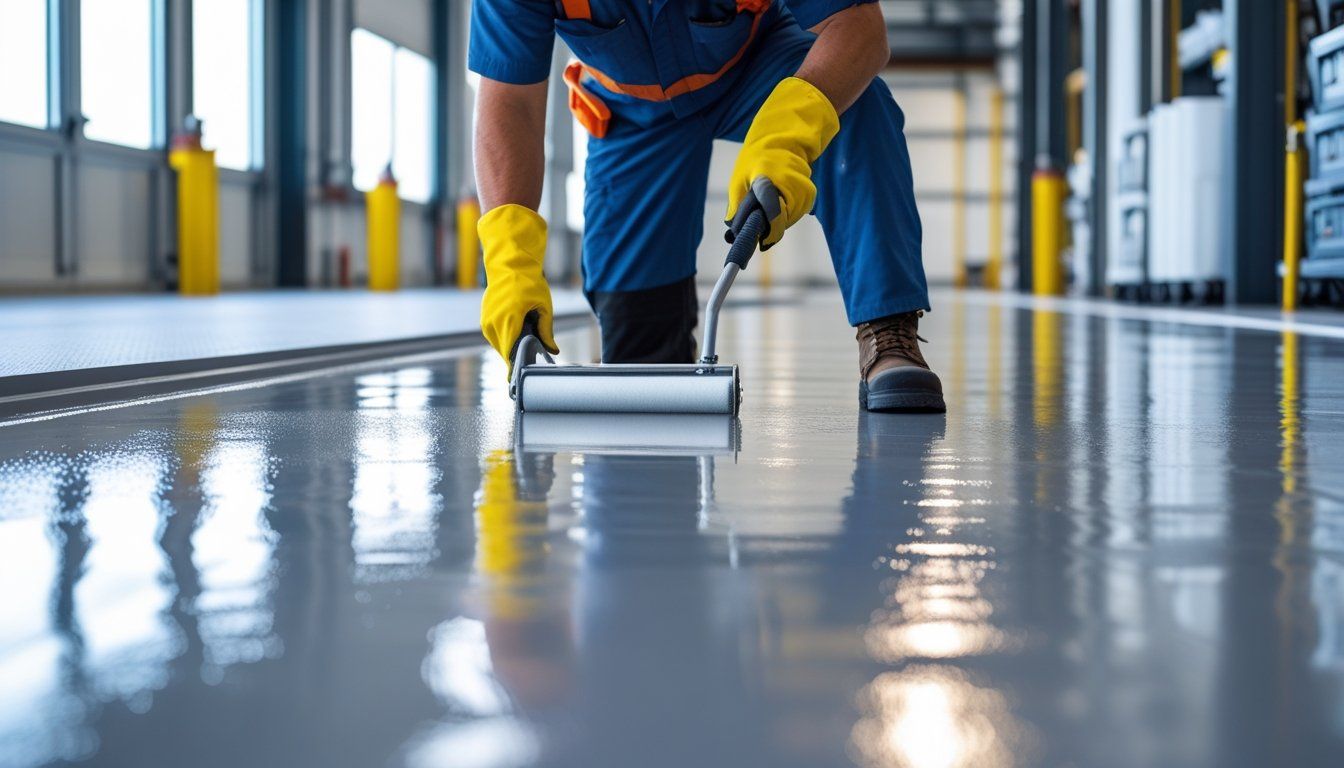
Explore industrial epoxy flooring service in Cambridge, MA. Learn benefits, types, installation steps, safety factors, and maintenance tips for busy facilities.
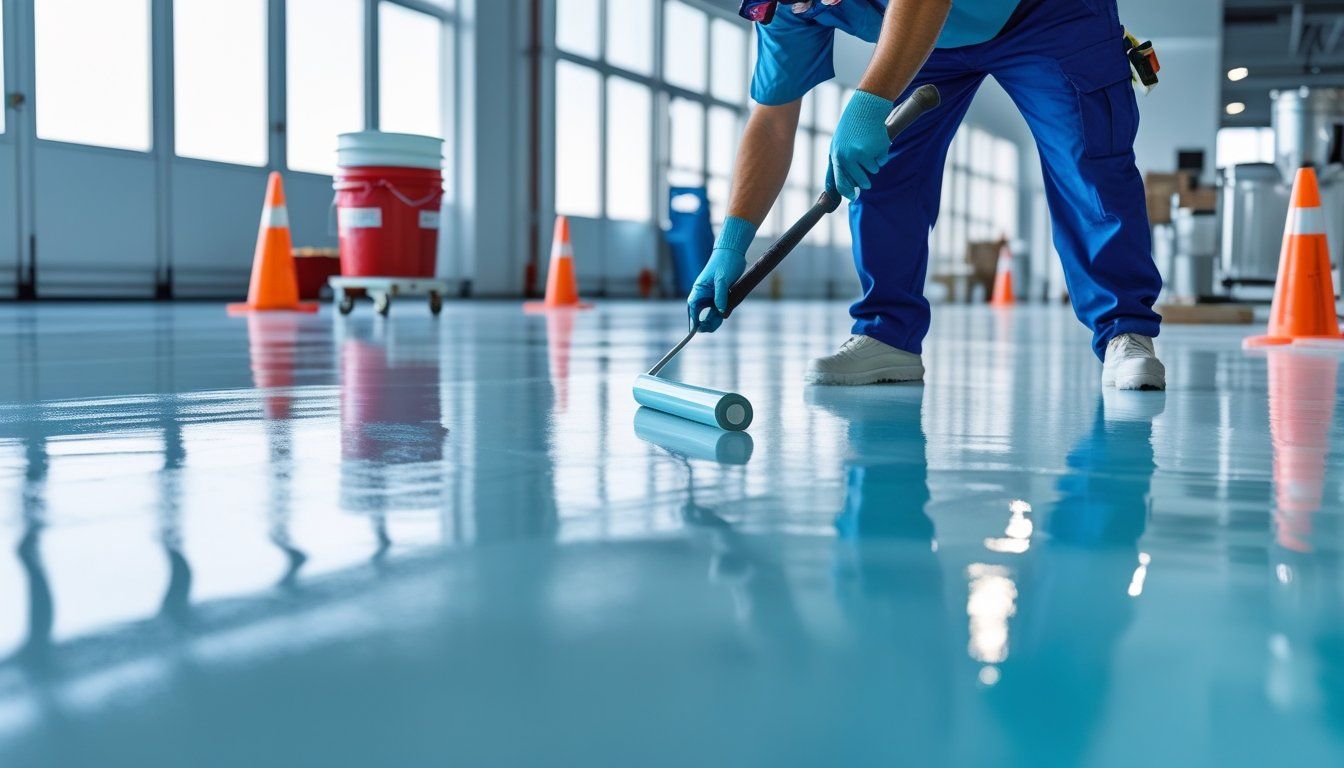
Explore epoxy flooring services in Cambridge, MA. Learn systems, benefits, installation steps, and options for durable residential and commercial spaces.
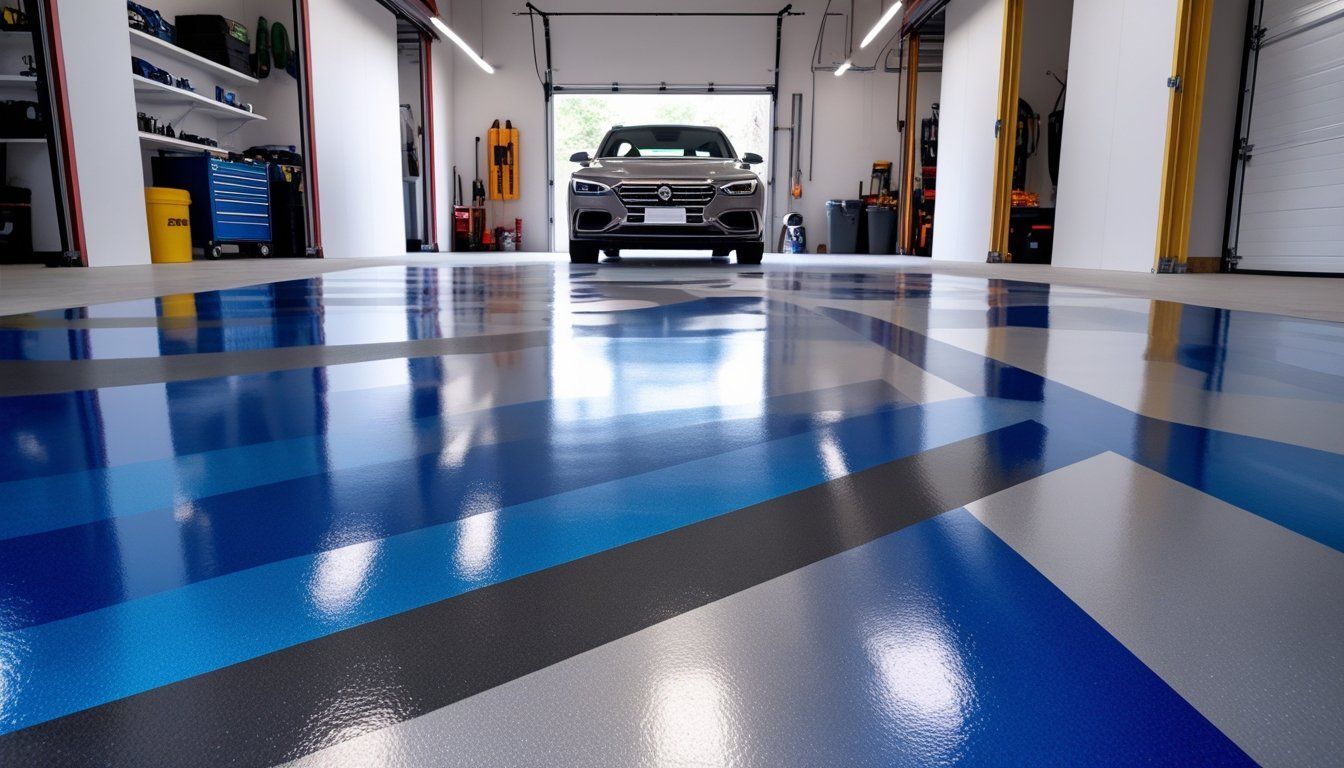
Explore garage epoxy floor colors in Cambridge, MA. Discover design ideas, color trends, finishes, and how lighting and texture impact your choice.
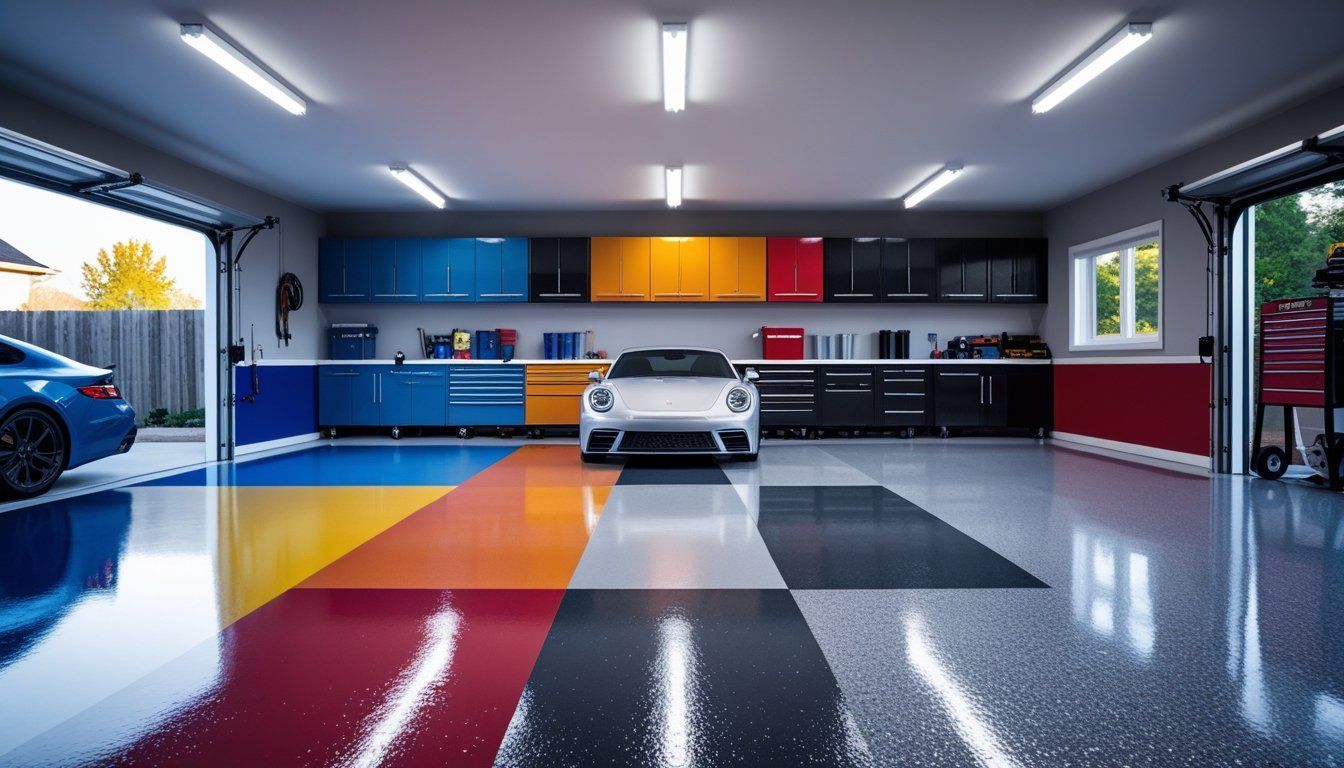
Explore garage floor epoxy colors, finishes, and safety benefits for Cambridge homes. Learn how to choose shades that brighten, protect, and perform.
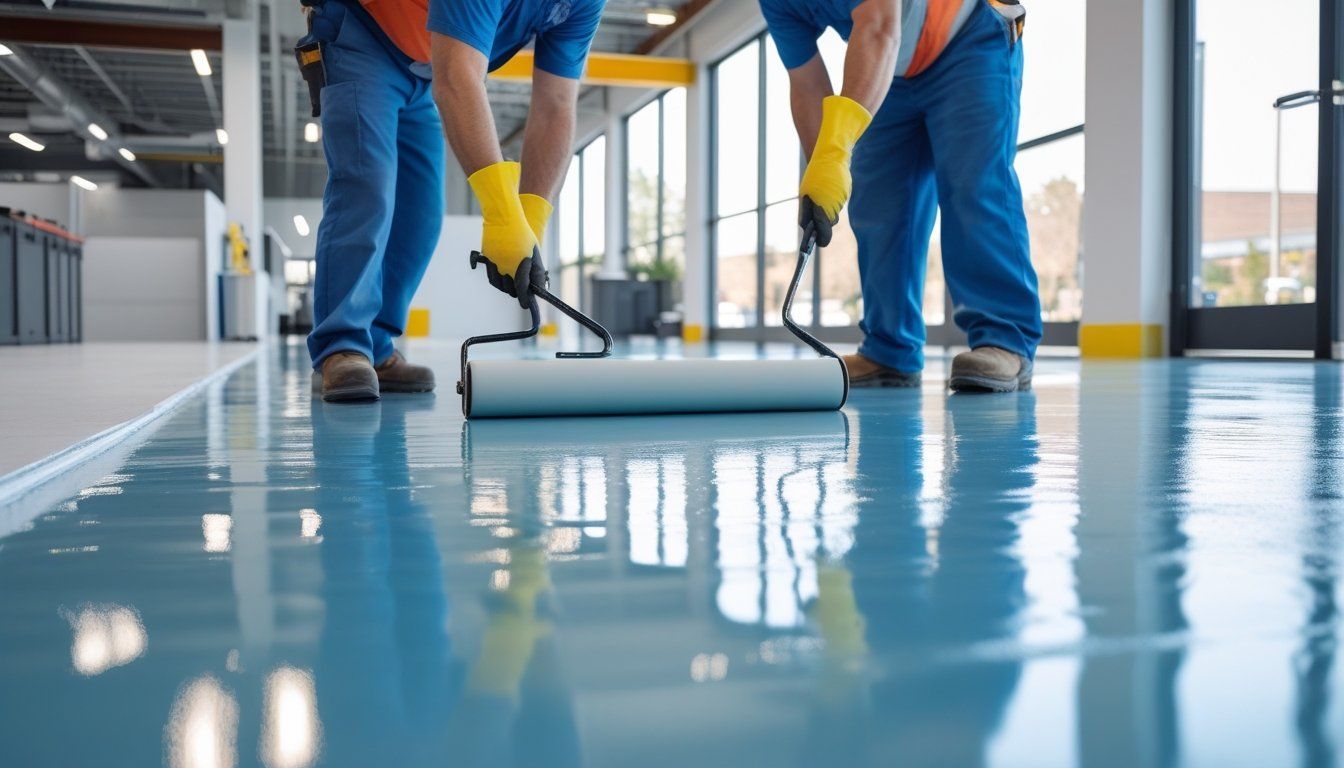
Discover commercial epoxy flooring services that enhance durability, safety, and style for businesses in Cambridge and Greater Boston.
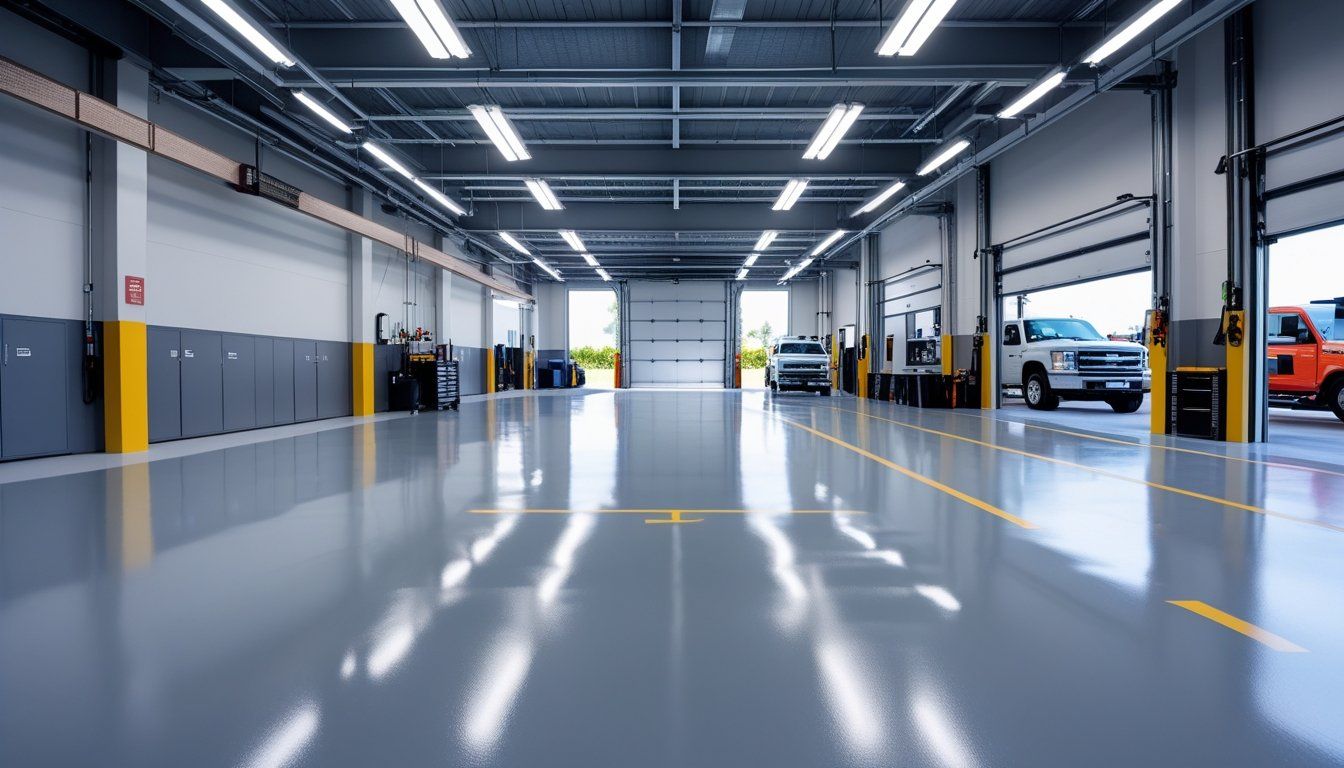
Learn how commercial epoxy garage flooring improves durability, safety, and appearance for businesses across Cambridge and Greater Boston.
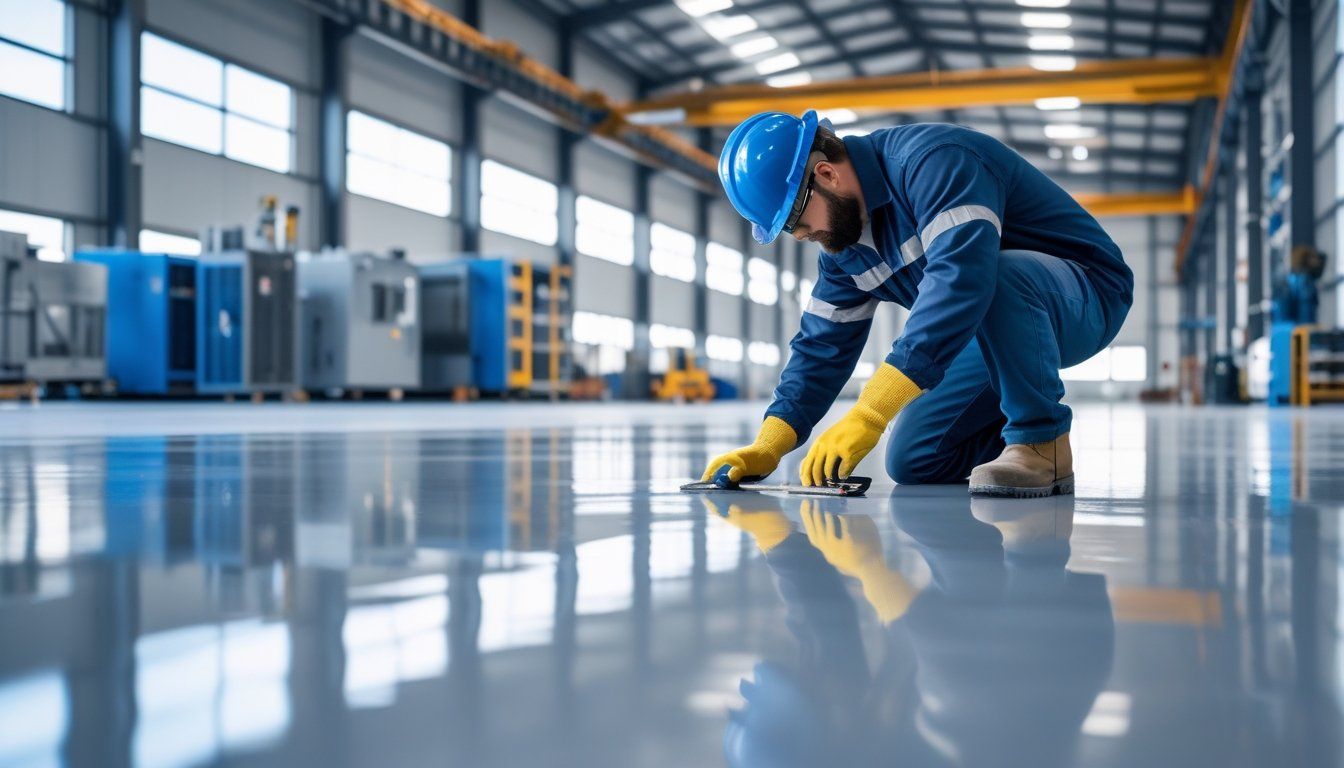
Learn the benefits of industrial epoxy flooring in Cambridge MA. Discover cost, durability, safety, and design tips for warehouses, factories, and labs.