Commercial Epoxy Flooring Services Made Easy for Your Business Space
Daniel McGonagle • November 4, 2025
Commercial epoxy flooring strengthens your business space with a clean, durable surface that handles heavy use without losing its professional appearance. It’s designed for foot traffic, equipment, and constant activity, all while giving your workspace a polished look that supports daily operations.
When you work with Cambridge MA Epoxy Flooring, you get commercial-grade systems.
These are built for reliability in Cambridge’s busy business environments. Their coatings resist spills, wear, and cleaning, keeping your space sharp and functional daily.
This guide walks you through the essentials—flooring types, safety options, maintenance needs, customization, and long-term value—so you can choose the epoxy solution that best supports your business goals.
What Is Commercial Epoxy Flooring?
Commercial epoxy flooring is a strong, smooth coating applied over concrete floors to protect and enhance them. It can handle daily wear and tear, spills, heavy foot traffic, and machinery. This type of flooring gives you an easy-to-clean surface that looks sleek while lasting many years.
Epoxy floors come in different types and finishes, each suited to specific business needs. The material’s makeup makes the floors tough yet attractive. Epoxy also stands out for its ability to be customized in color and texture, giving your space a polished look that matches your brand or style.
Epoxy Composition and Properties
Epoxy flooring forms when you mix two main parts: a resin and a hardener. When combined, they react chemically and create a solid, durable layer over the concrete floor.
This layer stands up to cracks, stains, and wear from heavy use. You’ll find it easy to clean, so keeping your space looking professional gets a lot simpler. Epoxy floors shrug off damage from chemicals, moisture, and impacts, which makes them ideal for busy commercial areas.
The finish can be shiny or matte, and sometimes textures are added for slip resistance. This makes epoxy flooring both safe and functional for your workplace.
How Epoxy Differs from Other Flooring Options
Unlike tile or carpet, epoxy flooring creates a seamless surface with no joints or grout lines where dirt can hide. That makes it more hygienic and easier to clean than many other options.
Compared to standard concrete, epoxy floors are much stronger and better protect against stains and moisture. They also offer more design options, such as color choices, metallic effects, and textures.
While hardwood or vinyl floors can wear down or scratch, epoxy floors hold up under heavy foot traffic and machinery without losing their appearance. This makes epoxy a cost-effective choice that saves you time and money on repairs and cleaning.
Common Types of Commercial Applications
You can use commercial epoxy flooring in many places. Offices benefit from its polished look and easy maintenance. Retail stores and showrooms choose epoxy because it keeps floors looking great even with heavy customer traffic.
Restaurants and gyms rely on epoxy floors for their durability and resistance to spills. It also adds safety with options for anti-slip finishes.
Warehouses and factories use industrial-grade epoxy flooring for its ability to withstand heavy machinery, chemicals, and rough conditions. You can get customized solutions to fit your specific commercial needs, ensuring your floors meet your daily demands while enhancing your space.
Hygiene Advantages of Seamless Flooring
Seamless epoxy floors help improve hygiene by eliminating cracks and joints where dirt and bacteria tend to accumulate. The Centers for Disease Control and Prevention
note that smooth, nonporous surfaces
are easier to clean and disinfect.
This benefits businesses that handle food, healthcare, or customer interactions. Using a seamless surface also reduces dust accumulation and makes routine sanitation faster. This is especially valuable for busy spaces that must maintain consistent cleanliness standards.
Benefits of Commercial Epoxy Flooring
Choosing the right floor for your business means looking at strength, style, and resistance to damage. Epoxy flooring stands out for its durability, aesthetic appeal, and resistance to chemicals and stains, making it a smart investment for many commercial spaces.
Durability and Longevity
Your commercial floor must handle heavy foot traffic, machinery, and daily wear without breaking down. Epoxy creates a strong surface that resists cracks, chips, and abrasions better than regular concrete.
Because epoxy forms a thick, protective layer, it helps your floors last longer and reduces the need for repairs. This saves you money over time and keeps your business running smoothly without sudden downtime or cleanup.
Aesthetic Customization
Your floor can be more than just tough—it can fit your brand and style. Epoxy flooring comes in many colors and finishes, from solid tones to metallic and decorative flakes. You can pick options that match your business’s look or create a unique design.
Custom colors and textures give your space a polished, professional feel that impresses customers and employees alike. Plus, epoxy floors are glossy and easy to clean, adding brightness and sharpness to your space.
Chemical and Stain Resistance
Spills happen in any commercial space, but epoxy flooring stands up well to chemicals, oils, and other liquids. The tough surface prevents stains from soaking in, which keeps your floor looking clean and professional.
This resistance also means fewer slips and less damage from harsh substances. It makes epoxy floors a smart choice for warehouses, restaurants, offices, and labs where spills or chemicals are common.
Because the surface stays protected, you spend less time cleaning and worrying about discoloration or corrosion. Your floors can handle everyday challenges while maintaining their strength and appearance.
Popular Applications in Commercial Settings
Epoxy flooring works well in many commercial places because it is strong, easy to clean, and safe. You can find it in spots where heavy traffic, spills, or strict hygiene rules are common. Its style options let you keep your space looking professional while handling tough daily use.
Warehouses and Industrial Facilities
In warehouses and industrial spaces, floors face constant wear from forklifts, pallets, and heavy machinery. Epoxy floors stand up to this pressure by resisting scratches, stains, and chemicals. They help reduce maintenance costs since spills and dirt are easy to clean.
Safety is important too. Epoxy coatings with anti-slip textures
help prevent accidents in busy workplaces. If you manage such a facility near Cambridge, you can choose a floor that meets local safety codes and zoning rules.
Retail Stores
Retail floors need to look great and hold up to customer traffic. Epoxy flooring offers a smooth, shiny surface that enhances your store’s appearance. It can be customized with colors, patterns, or brand logos to fit your style.
The floors are durable enough to handle heavy foot traffic and easy to keep spotless. When customers visit, a clean, stylish floor sends a good message about your business. Plus, quick installation means less downtime for your store.
Healthcare and Medical Environments
Healthcare spaces require floors that meet strict hygiene standards and handle chemicals from cleaning agents. Epoxy flooring is resistant to bacteria and easy to sanitize, making it a smart choice for hospitals, clinics, and labs.
Its seamless surface stops dirt and germs from building up in cracks or joints. You can also pick finishes that improve lighting and reduce slips. For any medical space in the Greater Boston area, epoxy floors can create a safer, cleaner environment for patients and staff alike.
Professional Epoxy Flooring Installation Process
Your epoxy flooring starts with a careful process. Each step helps make sure your floors look good and last a long time. The process includes getting the surface ready, applying the epoxy right, and letting it cure properly for a smooth, tough finish.
Surface Preparation
Before applying epoxy, the floor must be clean and smooth. Any cracks, stains, or old coatings need to be repaired or removed. This helps the epoxy stick well and prevents future damage.
We often use grinding machines to roughen the concrete. This improves adhesion and creates a strong bond between the epoxy and your floor. The surface should also be dry and free of dust or grease.
Proper preparation means fewer issues later. It also makes cleaning easier once the floor is done.
Epoxy Application Methods
Epoxy goes down in layers. First, a primer coat seals the surface. Then, the main epoxy resin is applied—sometimes with decorative flakes or colors mixed in for design.
Typically, we mix the epoxy on-site for freshness. We spread it evenly using rollers or squeegees, which helps prevent puddles or uneven spots that could lead to wear or dullness.
For commercial spaces, the thickness matters.
A thicker coating protects against heavy foot traffic and machinery. Anti-slip additives can also be mixed in to improve safety.
Curing and Finishing Steps
After application, the epoxy needs time to cure and harden fully. This usually takes 24 to 72 hours, depending on the temperature and humidity in Cambridge and nearby areas.
During curing, avoid walking or placing objects on the floor. That prevents marks and helps ensure a smooth finish. Once cured, a topcoat may be added to seal the surface.
This layer boosts durability and resistance to chemicals or stains. It also enhances the floor’s shine and makes cleaning simple. The result is a tough, attractive surface ready for daily use in your business or workspace.
Choosing the Right Epoxy Flooring for Your Business
Picking the right epoxy flooring means thinking about your space’s daily use, how you want it to look, and how safe it needs to be. You’ll want a floor that handles traffic, fits your style, and keeps everyone safe.
Factors to Consider
Start by looking at how much foot and equipment traffic your floor will get. Heavy traffic areas need thicker, more durable epoxy that can resist wear and tear without cracking or fading.
Consider the type of spills or chemicals your floor might face. Some epoxy coatings are specially made to resist oil, acids, or cleaning solvents. This keeps your floor looking good and safe for longer.
Also, think about maintenance. Epoxy floors should be easy to clean with no need for harsh chemicals or constant upkeep. Choosing the right epoxy helps lower your long-term costs.
Custom Color and Design Options
Your floor can match your brand or space with lots of color choices. You can pick from solid colors, metallic effects, or even decorative flakes that add texture and depth.
Custom designs let you create logos, patterns, or safety markings right into the floor. This helps your business stand out and stay professional.
Safety and Anti-Slip Features
Safety is a top priority for any business floor. Epoxy floors can include anti-slip additives that make the surface less slippery, even when wet or oily. These features protect your employees
and customers by reducing falls and accidents.
Some anti-slip options also improve tire traction for carts and equipment. You can choose coatings that meet local safety standards, helping your business stay compliant with regulations in Cambridge and Greater Boston.
Maintenance and Care for Epoxy Floors
Keeping epoxy floors clean and well-maintained helps them stay strong and look good. Regular cleaning, routine upkeep, and quick repairs make a difference in keeping your floors safe and durable for years.
Cleaning Best Practices
Sweep or vacuum debris daily to prevent scratches. A soft broom or dust mop works best to keep dirt from grinding into the surface.
When it’s time for wet cleaning, stick to warm water with a mild detergent or a cleaner made for epoxy. Skip harsh chemicals like ammonia or anything acidic—they’ll dull the finish fast.
Use a soft mop, and rinse thoroughly with clean water to clear away any soap. Let the floor dry before walking on it to avoid slips. Don’t use abrasive scrubbers or steel wool, since they can scratch up the epoxy’s smooth finish.
Periodic Maintenance Needs
Check your floors now and then for dull spots or small cracks. Depending on how much traffic your space gets, a professional cleaning or light buffing might come in handy every few months. If you’ve got lots of foot or vehicle traffic, keep an eye on the floor’s protective coating.
Scheduling professional touch-ups every year or two helps keep the surface sealed and strong. In industrial or commercial spaces, this kind of maintenance can help prevent chemical or impact damage that might otherwise shorten your floor’s life.
Repair and Touch-Up Tips
It’s usually easy to fix small scratches or chips before they turn into bigger issues. Start by cleaning the damaged area with isopropyl alcohol and drying it completely. You can fill chips using a clear epoxy patch kit that matches your floor’s color.
For bigger repairs or worn-out patches, you’ll want to call a professional installer. Tackling repairs quickly keeps your floor safe and looking sharp. Staying on top of simple repairs helps stop cracks from spreading and keeps your floor strong and looking good.
Cost Considerations for Commercial Epoxy Flooring
Knowing what affects the price—and how epoxy flooring can actually save you money in the long run—makes planning your investment a lot easier. The total cost depends on your space’s size, your chosen finish, and a few other details. Plus, epoxy floors mean fewer repairs and easier upkeep.
Pricing Factors
The price of commercial epoxy flooring depends on a few main things. First, the bigger the space, the more you’ll pay for materials and labor. The existing floor’s condition matters, too. Cracks or stains can
mean extra prep work, which adds to the bill.
You’ll also pick from different epoxy types. Basic coatings cost less, while high-performance options with colors, textures, or anti-slip features are pricier. Labor rates vary across Cambridge and Greater Boston, so it’s wise to get a clear quote upfront.
Custom finishes or special details can bump up the price, but they also boost style and durability.
Long-Term Cost Savings
Epoxy flooring might seem pricey at first, but it can save you money over time. Its toughness means you won’t need frequent repairs or replacements, so maintenance costs drop.
Epoxy floors resist stains, chemicals, and heavy wear, making cleaning less of a hassle. That’s a big plus for busy spaces like restaurants or showrooms.
Since they’re easy to maintain, you’ll spend less on cleaning supplies and labor. Your space stays professional-looking without much effort. And because epoxy lasts so long, you’ll avoid the business disruptions that come with replacing other types of flooring.
Why Choose Professional Commercial Epoxy Flooring Services?
Picking the right epoxy flooring service means getting a floor that lasts, looks sharp, and fits your space’s daily needs. Pros bring the skills and quality checks that protect your investment and keep your floors performing well.
Expertise and Experience
When you hire seasoned installers, you get folks who know which materials and techniques work best for commercial spaces. They know how to handle heavy foot traffic, spills, and even chemical exposure without wrecking the floor.
Experienced crews can customize your floor with colors, textures, and finishes. This helps your business look polished and professional, plus it makes floors safer and easier to clean. Local knowledge also means your floors are built to handle Cambridge’s climate and quirks.
Proper installation from experts reduces the risk of cracks, peeling, or uneven spots, so you’re less likely to need repairs later. You can count on their skill to deliver a durable, attractive floor that fits your needs.
Quality Assurance
Professional companies follow strict quality standards to make sure your epoxy floor stands up to commercial wear. They use premium materials designed for durability, scratch resistance, and easy maintenance. Your floors can handle daily use without losing shine or strength.
Before applying epoxy, professionals prep your concrete carefully—fixing cracks and cleaning surfaces to ensure better adhesion. That prep work really matters for a long-lasting floor.
Trends in Commercial Epoxy Flooring
Customization is a big trend in commercial epoxy flooring these days. You can pick from more colors, textures, and finishes than ever to give your space a unique vibe. Metallic and decorative flake designs are hot right now—they look good and hold up well.
Anti-slip coatings are getting more popular, too. They’re great for busy spots like gyms, restaurants, and offices. If you want a floor that helps people avoid slips, it’s a smart move.
Plenty of businesses want low-maintenance floors. Epoxy is easy to clean and shrugs off stains, spills, and heavy foot traffic. That helps you keep a professional look without much extra work.
Sustainability’s on the rise as well. New epoxy products use eco-friendly materials and processes, which shrink your environmental footprint while still giving you strong, long-lasting floors.
How to Get Started with Epoxy Flooring Services
Start by assessing your space. Check out your current floor, how much traffic it gets, and whether you need special features like chemical resistance or anti-slip surfaces. That’ll help you pick the right epoxy flooring for your business.
Next, contact a local expert. Most reputable installers offer free consultations and will walk you through options that fit your style, budget, and needs. You can discuss colors, textures, and finishes to get the look you want.
Before installation, a site visit is key. The team will inspect the floor and plan for any repairs or prep work. Good prep means your new floor will last longer.
Once everything’s ready, installation gets scheduled. The process usually includes cleaning, repairing, applying epoxy layers, and curing. Most crews work fast to keep your business running smoothly.
Following these steps gets you a durable, professional-looking floor that fits your business. If you’re in Cambridge or towns like Somerville or Boston, local installers know what works for your area. Getting started isn’t complicated, especially with expert help nearby.
Flooring That Supports the Way You Work
Commercial epoxy flooring offers durability, design flexibility, and low maintenance that keep your space efficient and welcoming. Its protective surface handles daily use while helping your business maintain a clean, professional look.
Working with Cambridge MA Epoxy Flooring gives you access to reliable installation and materials tailored to local commercial needs. Their experience helps ensure your floors stay strong, safe, and visually consistent in busy environments.
Ready to explore options for your business? Reach out for a consultation
to compare finishes and choose a system that works best for your space.
Frequently Asked Questions
Epoxy flooring brings plenty of benefits—durability, easy maintenance, and lots of design options. Knowing how long it lasts, how it’s different from residential floors, and how to keep it in shape can help you make the right call for your business.
What are the benefits of epoxy flooring for my business?
Epoxy floors are tough and resist stains, spills, and heavy foot or machinery traffic. They’re easy to clean, save you time on maintenance, and make your workspace look neat and professional. You can add anti-slip textures for extra safety, too.
How long does commercial epoxy flooring typically last?
With proper installation and care, epoxy flooring can last 10 to 20 years or more. The life span depends on traffic levels and the quality of the materials used.
What is the difference between residential and commercial epoxy flooring?
Residential epoxy floors focus more on style and lighter-use areas like garages or basements. Commercial epoxy floors are built to handle heavier traffic, machinery, and more frequent cleaning. They usually have extra durability and safety features.
Can epoxy flooring be customized to fit my company's branding?
Absolutely. Epoxy flooring can match your company’s colors and style using different pigments, flakes, and finishes. You can even create logos, patterns, or specific textures to reflect your brand—while keeping the floor strong and easy to maintain.
What is the average cost range for installing epoxy flooring in a commercial space?
Costs depend on floor size, condition, and how much customization you want. Generally, expect to pay between $5 and $12 per square foot.
How do I maintain my epoxy flooring to ensure it stays in top condition?
Just sweep or mop with something soft now and then to keep dirt and grit from building up. Skip the harsh chemicals or anything too rough—those can scratch or dull the finish. If you notice any chips or spots wearing down, it's a good idea to have a pro check it out and handle touch-ups before things get worse.
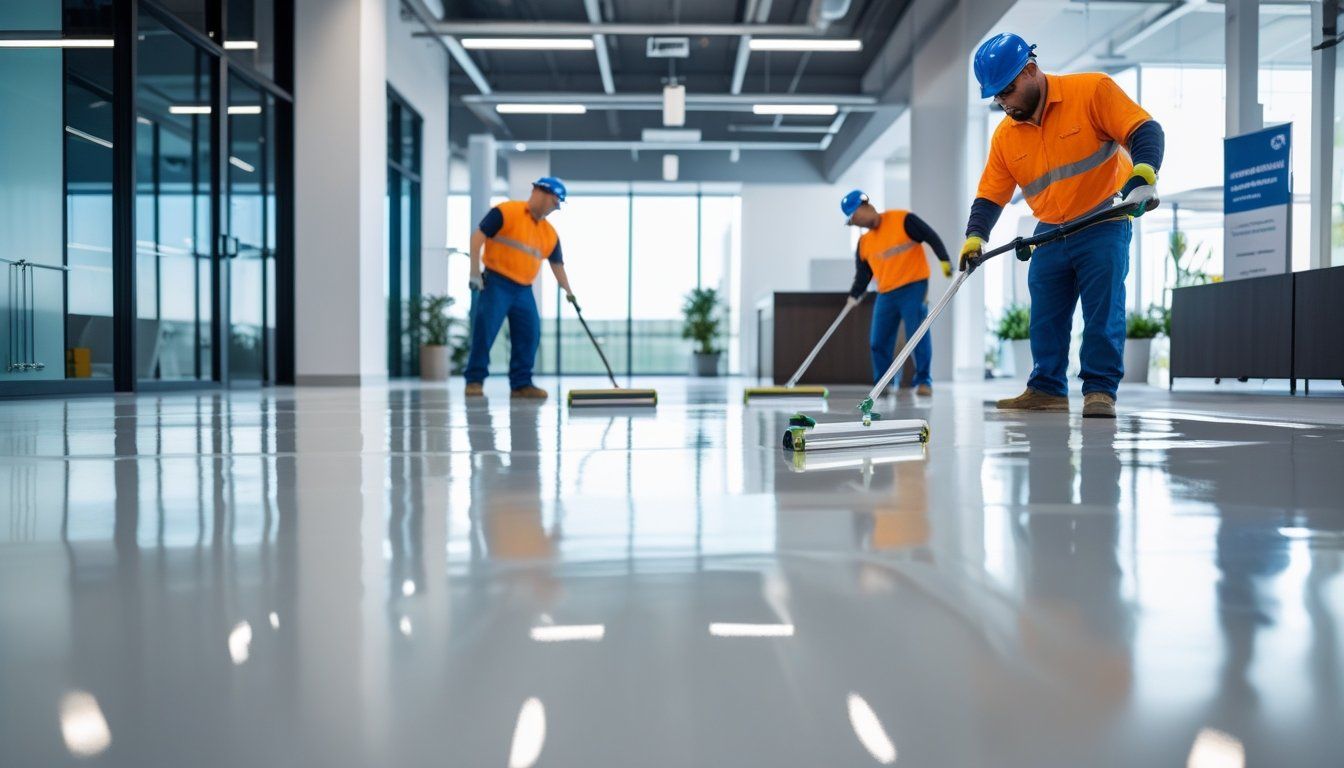
Learn how commercial epoxy flooring installation upgrades business spaces in Cambridge, MA. Explore safety, cost, maintenance, and installation insights.
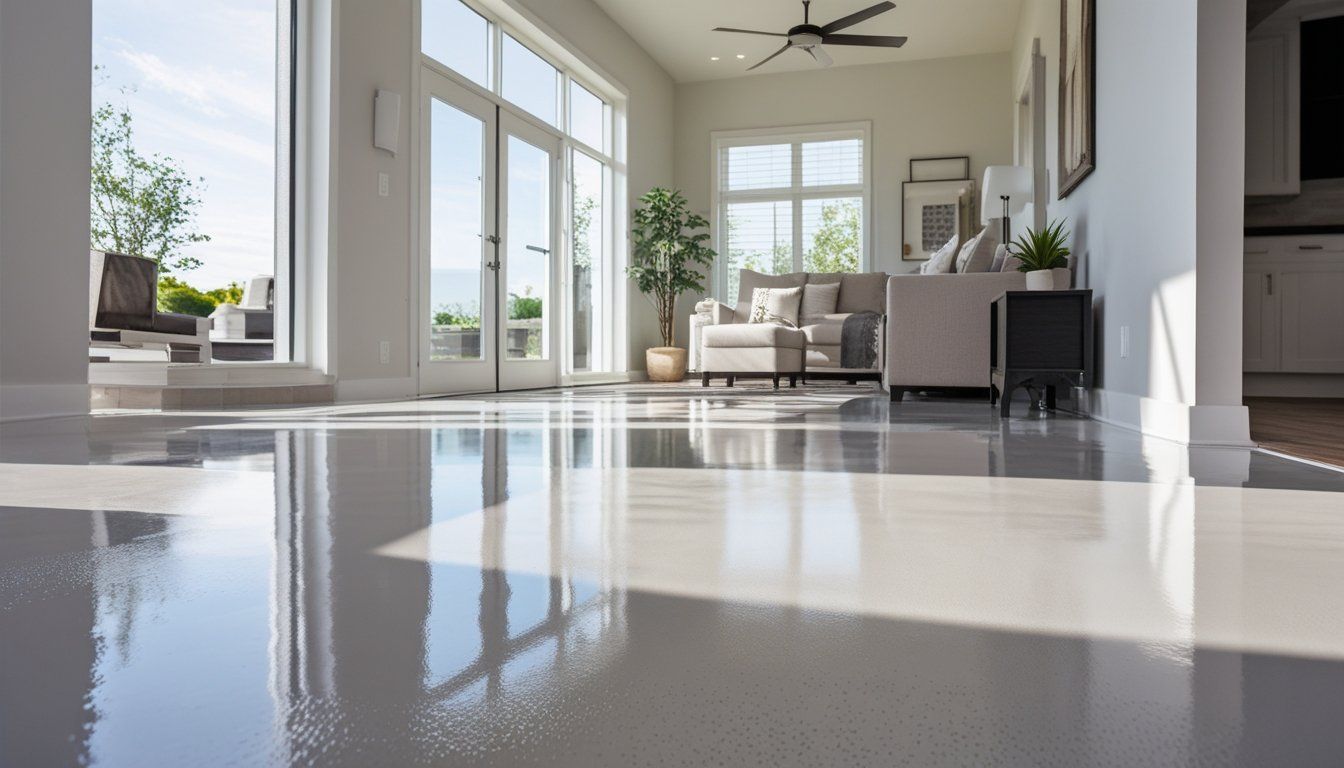
Explore durable residential epoxy flooring services in Cambridge, MA. Learn benefits, finishes, installation steps, and maintenance tips for your home.
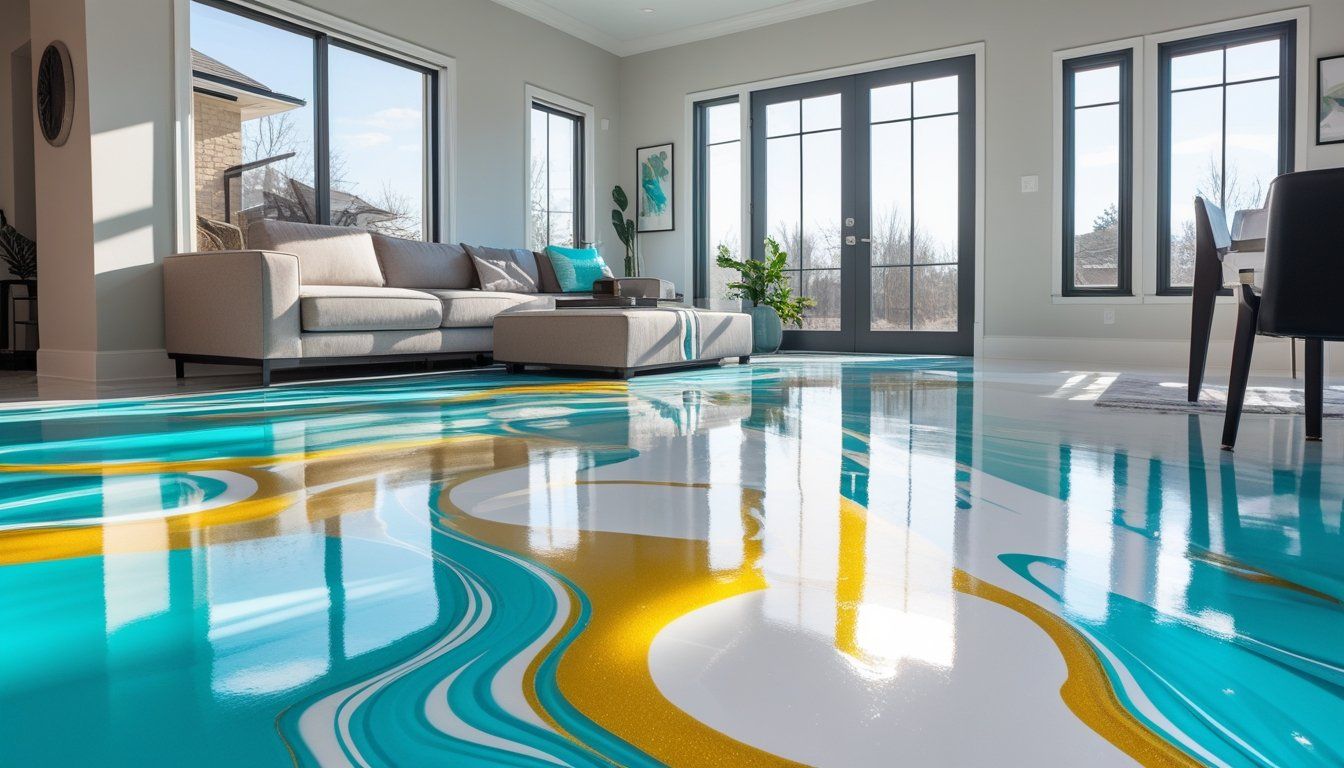
Explore durable residential epoxy flooring services in Cambridge, MA. Learn benefits, finishes, installation steps, and maintenance tips for your home.
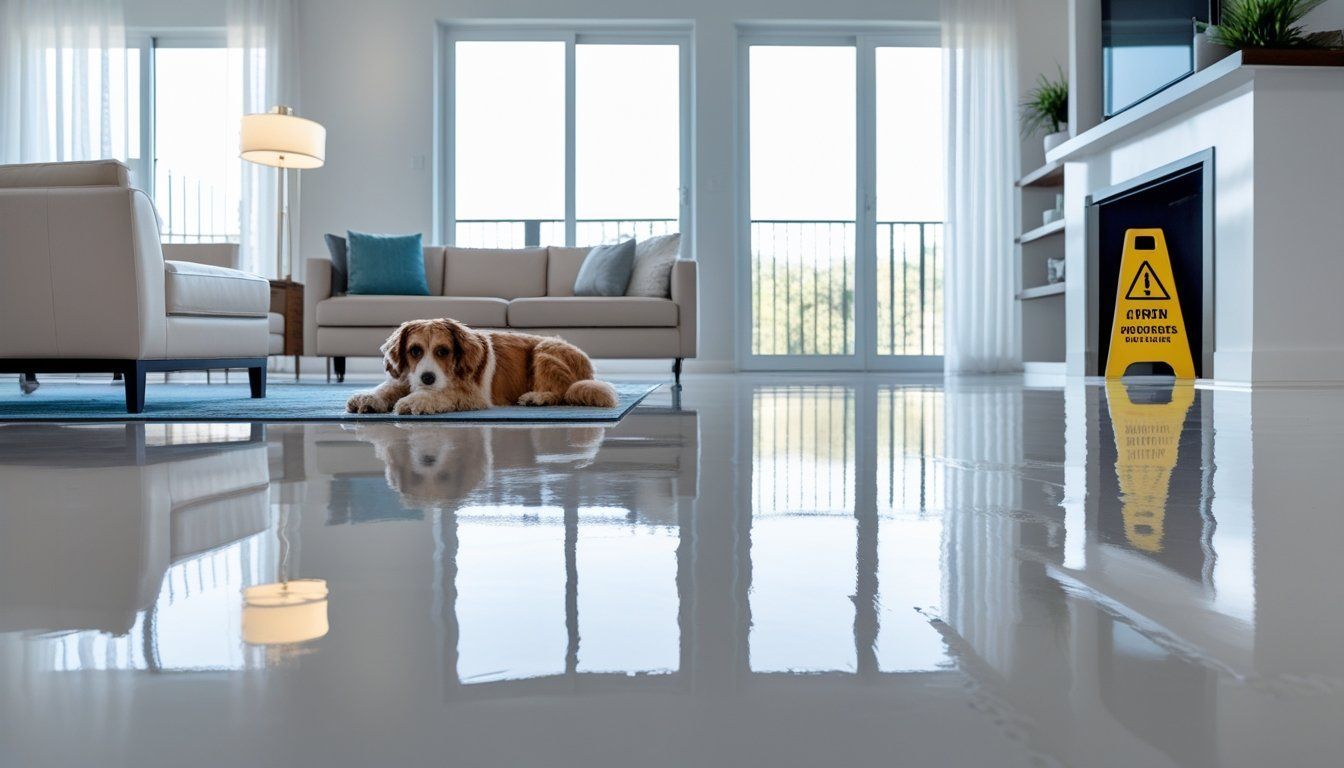
Learn the pros and cons of residential epoxy flooring in Cambridge, MA. Explore durability, safety, costs, installation steps, and maintenance tips.
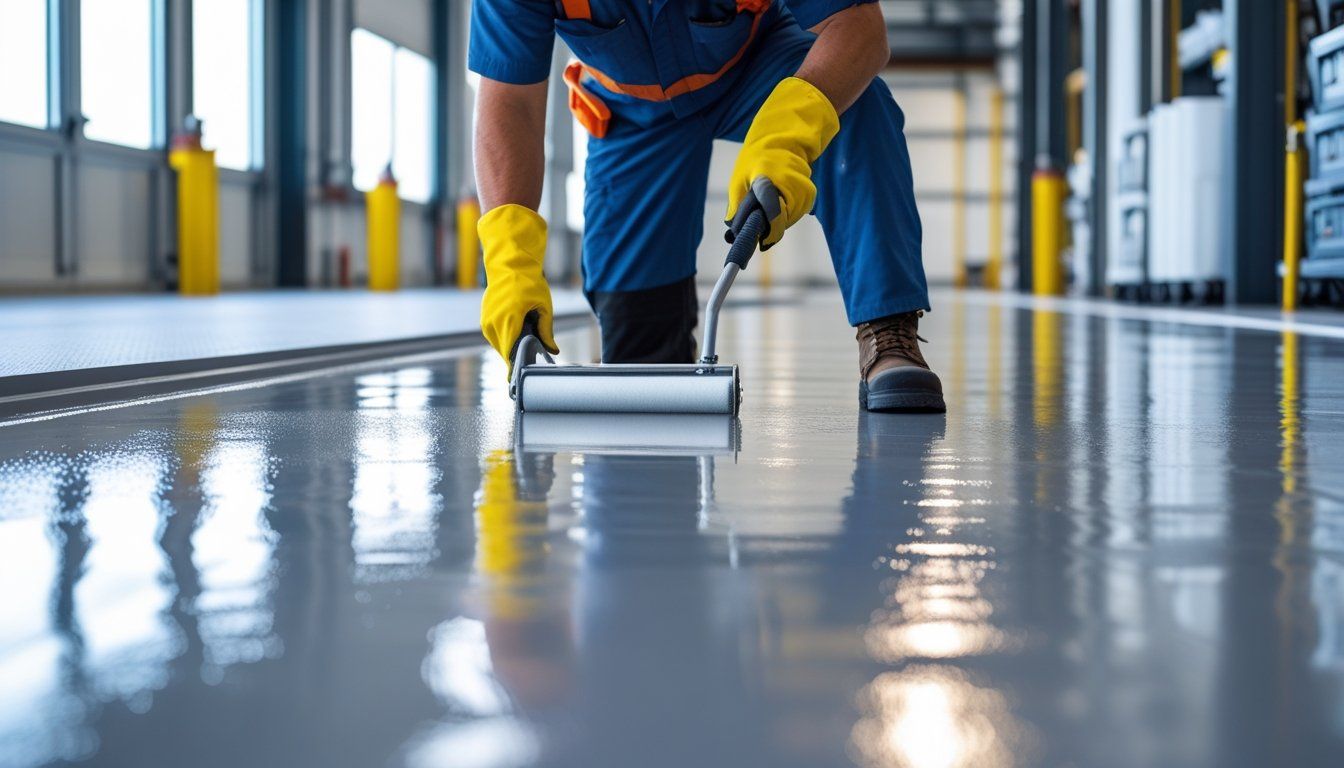
Explore industrial epoxy flooring service in Cambridge, MA. Learn benefits, types, installation steps, safety factors, and maintenance tips for busy facilities.
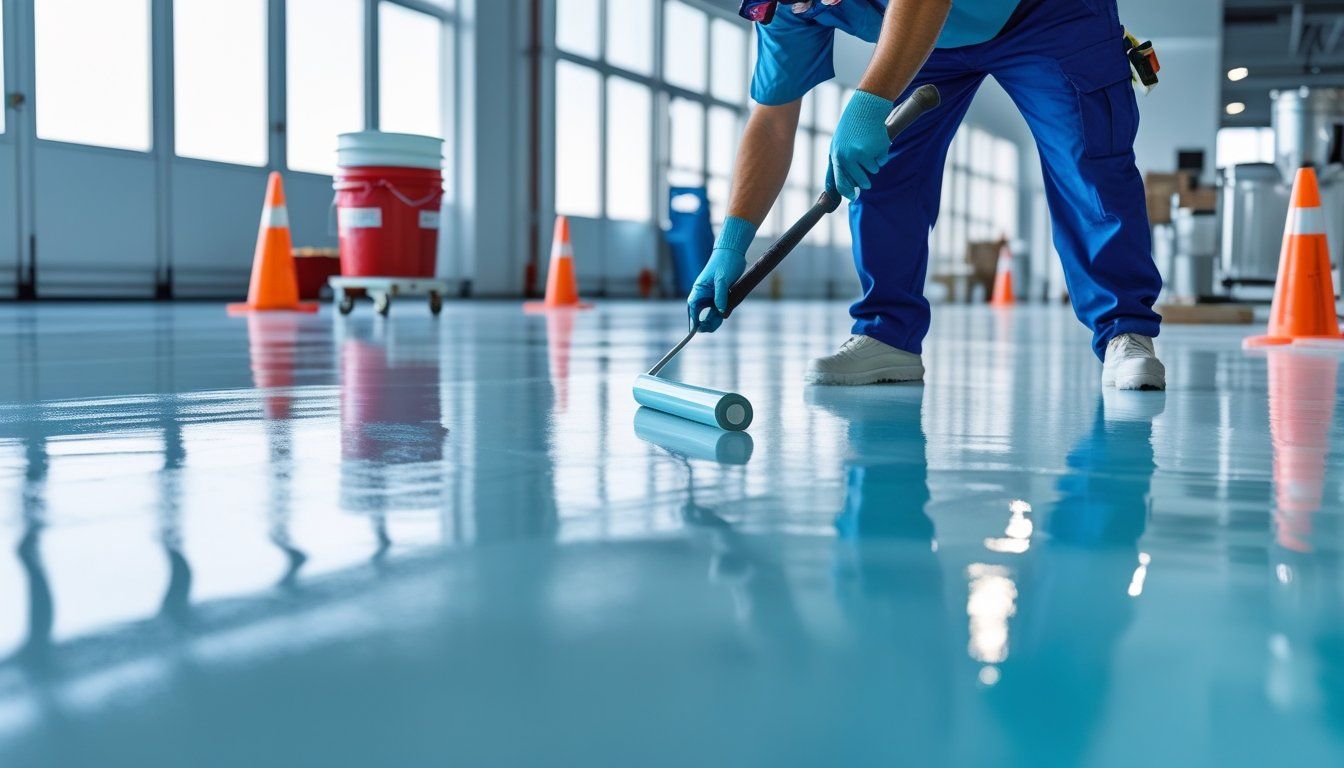
Explore epoxy flooring services in Cambridge, MA. Learn systems, benefits, installation steps, and options for durable residential and commercial spaces.
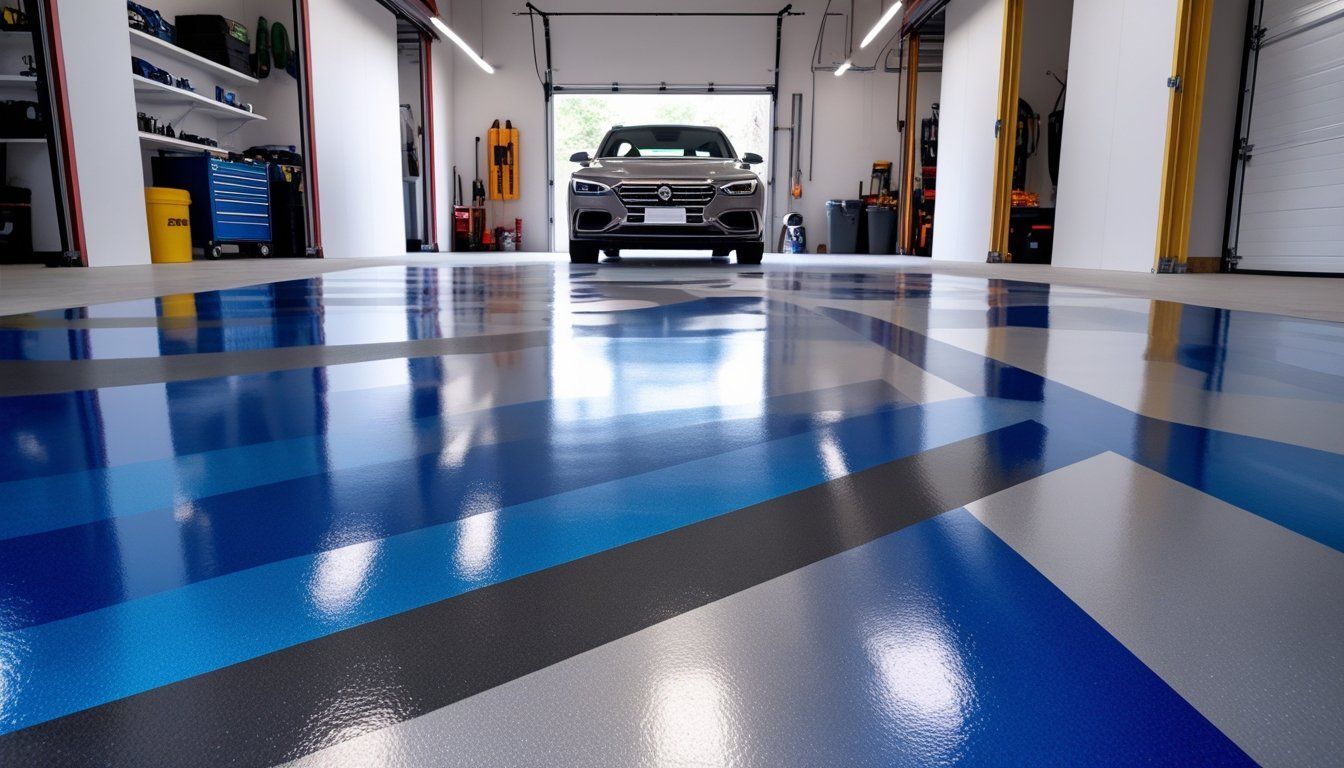
Explore garage epoxy floor colors in Cambridge, MA. Discover design ideas, color trends, finishes, and how lighting and texture impact your choice.
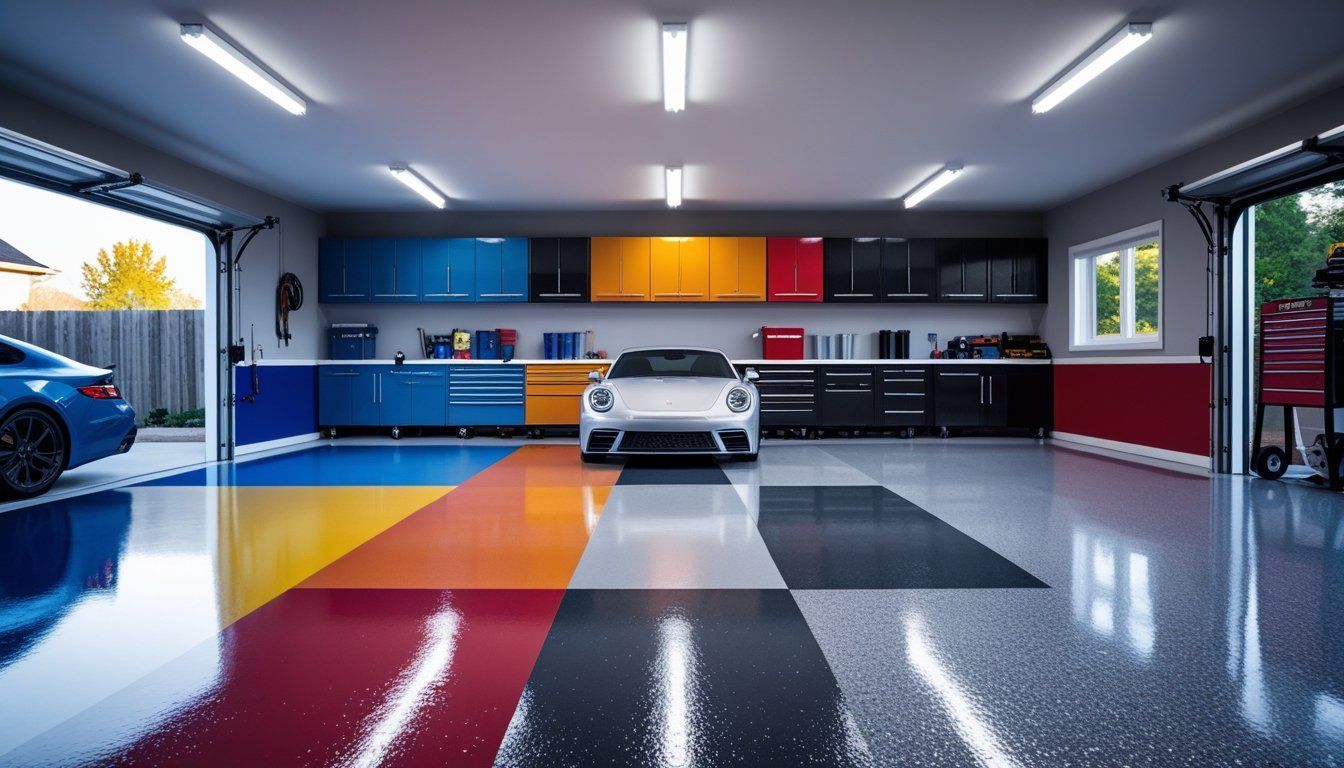
Explore garage floor epoxy colors, finishes, and safety benefits for Cambridge homes. Learn how to choose shades that brighten, protect, and perform.
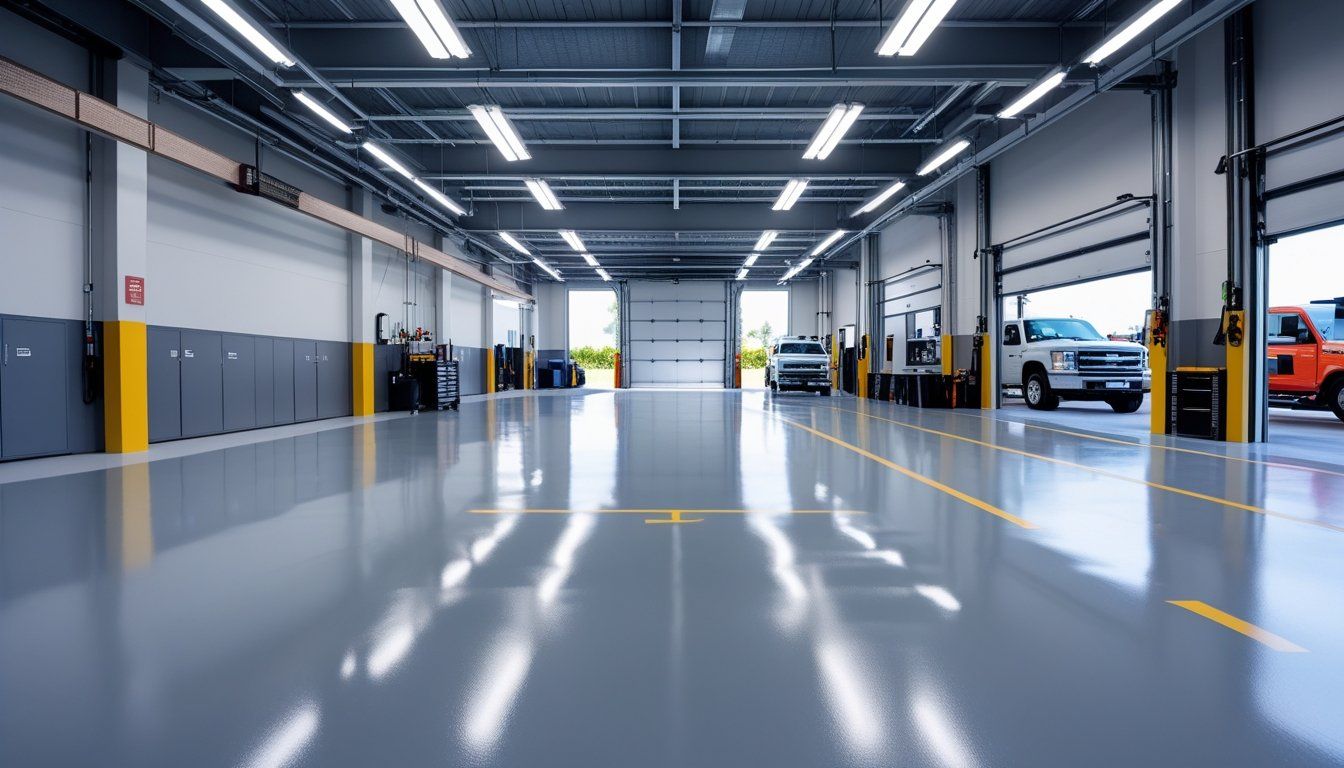
Learn how commercial epoxy garage flooring improves durability, safety, and appearance for businesses across Cambridge and Greater Boston.
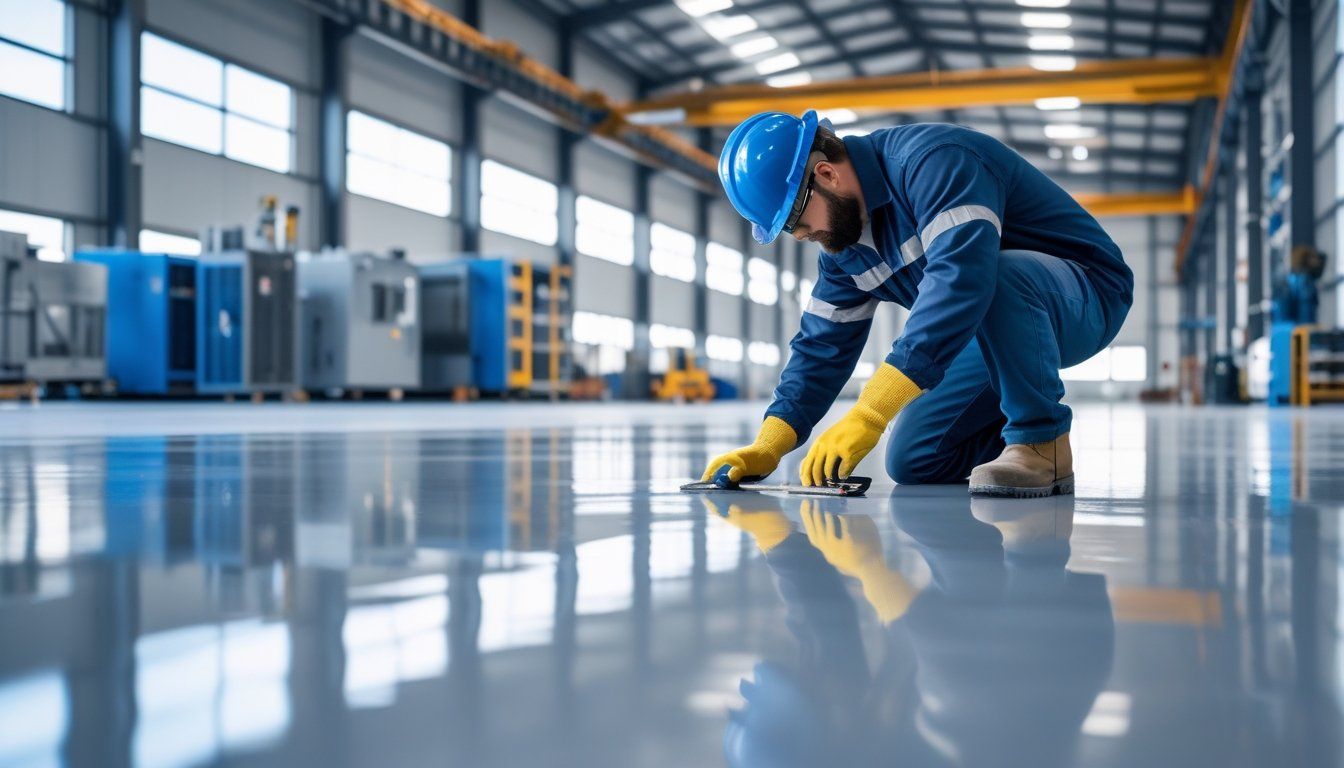
Learn the benefits of industrial epoxy flooring in Cambridge MA. Discover cost, durability, safety, and design tips for warehouses, factories, and labs.