Industrial Epoxy Flooring Service for Durable and Stylish Spaces
Daniel McGonagle • November 17, 2025
Industrial epoxy flooring in Cambridge, MA gives your facility a durable, long-lasting surface that holds up under heavy machinery, chemical exposure, and constant foot traffic. It also supports a clean, polished look that fits warehouses, factories, labs, and other demanding environments.
With Cambridge MA Epoxy Flooring, you benefit from installation
backed by local expertise and durable materials.
Our careful preparation is tailored to the specific conditions of Cambridge and Greater Boston facilities.
This guide covers the key pros and cons of industrial epoxy flooring. It explains how installation works, the types of systems available, and what to consider when selecting the right solution for your space.
What Is Industrial Epoxy Flooring?
Industrial epoxy flooring offers a strong, smooth surface designed to handle tough conditions. It protects your floors from heavy use, spills, and chemicals while being easy to clean and maintain. This makes it a good fit for industrial spaces that need lasting durability.
Definition and Core Features
Industrial epoxy flooring is a hard coating applied over concrete floors. You get this by mixing resin with a hardener, which creates a strong, durable surface once cured. These floors are seamless, so you don’t get cracks or joints where dirt and moisture can hide.
Key features include:
- High resistance to chemicals, stains, and heavy impact
- Long-lasting performance in harsh environments
- Easy to clean and maintain
- Anti-slip options for safety in workplaces
You’ll see these floors in factories, warehouses, and labs where durability and safety are top priorities. They’re built to fit your facility’s needs, and that’s not just marketing talk—it’s what keeps operations running smoothly.
How Epoxy Works
Epoxy flooring starts as a two-part liquid: the resin and the hardener. Mix them together, and they react chemically, hardening into a solid, tough surface. Usually, you need to wait a few days for this to happen, depending on things like temperature.
This process bonds the floor tightly to the concrete, filling cracks and uneven spots. The surface stands up to wear, spills, and heavy traffic. You can tweak epoxy coatings with colors, textures, and finishes to suit your style or whatever functional needs you’ve got.
Epoxy forms a protective layer and helps extend the life of your original floor—it keeps damage from machinery or spills at bay, which is always a bonus.
Common Applications
Industrial epoxy flooring fits many tough, busy places where floors face heavy use every day. Typical applications include:
- Warehouses: For handling forklifts, pallets, and constant traffic
- Factories: Where machinery and chemicals require strong protection
- Laboratories: Offering chemical resistance and easy sanitation
- Loading docks: Standing up to spills, impacts, and heavy loads
This flooring is also low-maintenance, helping save time and money over the years of use.
How Epoxy Supports Workplace Safety
Slip resistance is a major concern in busy industrial spaces where spills or moisture are common. According to OSHA, maintaining proper surface friction
helps reduce workplace injuries and supports safer movement across production areas.
By selecting anti-slip additives or textured finishes, industrial epoxy flooring improves traction and lowers fall risks. These safety upgrades help protect employees, reduce downtime, and support compliance with workplace safety standards.
Benefits of Industrial Epoxy Flooring
Industrial epoxy flooring gives you strong, long-lasting protection for floors in busy workspaces. It keeps your floors looking good while handling heavy use and tough conditions. Its resistance to wear, chemicals, and stains makes it a solid choice for warehouses, factories, and labs.
Durability and Strength
Epoxy flooring can handle heavy traffic and impact. Unlike plain concrete, it doesn’t crack or chip easily. Your floors stay intact even with heavy machinery, pallets, and constant foot traffic.
The tough epoxy layer adds a protective shield that extends your floor’s life. It also resists scratches and abrasions, so you won’t have to replace or repair floors often. This saves you money and downtime.
Chemical and Stain Resistance
Industrial floors often face spills of oils, chemicals, and other liquids. Epoxy creates a seamless surface that stops these substances from soaking into the concrete below. This protection prevents stains and damage.
The coating resists acids, solvents, and grease. Spills become easier to clean, and your space stays safer for workers. You can avoid costly repairs caused by chemical exposure.
Ease of Maintenance
Cleaning epoxy floors is simple. Since the surface is non-porous, dirt and dust don’t stick. You only need regular sweeping and occasional mopping to keep floors looking fresh.
Epoxy’s smooth finish resists stains, so spills wipe away quickly. No need for harsh cleaning products or scrubbing. This saves you time and effort in daily upkeep.
Epoxy flooring is long-lasting and easy to clean, so you can keep your industrial space safe and running smoothly without extra work on your part.
Types of Epoxy Flooring Solutions
You have several options when choosing epoxy flooring, each designed to meet different needs. These types offer varying levels of strength, texture, and performance depending on your space and usage.
Self-Leveling Epoxy Floors
Self-leveling epoxy creates a smooth, glossy surface that’s perfect for areas needing a clean, professional look. It flows easily over your concrete floor, filling cracks and imperfections to leave a flat, even finish.
This type is great if you want a seamless floor that’s easy to clean and resists stains and spills. It works well in warehouses and factories where heavy traffic is common. You can also customize it with colors and additives for slip resistance.
Epoxy Mortar Floors
Epoxy mortar floors are thicker and tougher. They mix epoxy resin with sand or other aggregates to create a rougher, more durable surface.
This option is ideal if your space faces heavy impact, like from dropped tools or machinery. It resists chipping and cracking better than smoother epoxies. You’ll often find epoxy mortar floors in manufacturing plants or labs where long-lasting protection is a must.
Anti-Static Epoxy Systems
Anti-static epoxy flooring helps reduce static electricity buildup. That’s critical in places like electronics manufacturing or labs where static can damage sensitive equipment.
The system uses special conductive materials combined with epoxy to discharge static charges safely. You still get a strong, chemical-resistant floor while also keeping your work environment safe.
The Epoxy Flooring Installation Process
Installing epoxy flooring involves clear steps to ensure durability, safety, and a polished look. The process includes careful surface work, precise application methods, and proper curing to make sure your floors last and look great.
Surface Preparation
Before installing epoxy, you need to prepare your floor thoroughly. Remove any cracks, stains, or old coatings. This ensures the epoxy bonds well with the concrete beneath.
Clean the surface with industrial vacuums and grinders to remove dirt, grease, and loose material. The floor should be completely dry and free from moisture.
Fill in cracks or holes with patching compounds. This creates a smooth, even base for the epoxy coating.
Application Techniques
Apply epoxy in layers using rollers or squeegees to spread it evenly across the floor. The first layer acts as a primer, sealing the surface and improving adhesion.
You can choose different finishes, from smooth and glossy to textured anti-slip surfaces. Decorative flakes or metallic pigments can be added for a custom look.
Installers use precise methods and premium materials to avoid bubbles or uneven spots. They work carefully to meet your style and durability needs.
Curing and Finishing
After applying the epoxy, the floor needs time to cure and harden fully. Usually, this takes 24 to 72 hours, depending on temperature and humidity. Keep the floor free from foot or machine traffic during curing to avoid marks or damage.
Once cured, you can add a clear topcoat for extra protection and shine. This finish also helps resist chemicals, stains, and wear from heavy use. After the full cure, your floor will be ready to handle daily traffic, spills, and heavy machinery with ease.
Maintenance Tips for Industrial Epoxy Floors
Keeping your industrial epoxy floors in good shape means regular cleaning, preventing damage, and fixing any wear quickly. These steps help your floors stay strong and look good in busy workspaces.
Routine Cleaning Practices
Clean your epoxy floors often to stop dirt and grime from building up. Use a soft broom or dust mop daily to remove dust and debris. For deeper cleaning, mop with warm water and a mild detergent. Don’t use harsh chemicals or strong acids—they can wear down the epoxy layer.
Rinse the floor well after mopping to prevent sticky residue. For spills, wipe them up quickly to avoid staining or damage. In larger areas, a wet vacuum can help keep floors dry and clean.
Preventative Care
Protect your epoxy floors
by using mats or rugs at entry points to reduce dirt and moisture from shoes and machinery. Place furniture or heavy equipment pads underneath to avoid scratching.
Keep sharp objects or tools off the floor, and avoid dragging heavy items. If your workspace uses chemicals or oils, clean spills immediately to prevent staining or surface damage.
Check regularly for signs of wear or dullness. Catching issues early keeps your floor safe and professional-looking.
Repairing Damage
If you notice cracks, chips, or worn spots, act fast. Small repairs prevent bigger problems. Use an epoxy repair kit designed for industrial floors to fill chips or cracks. For large damage or deep wear, contact professionals to assess and fix the floor.
Quick repairs keep your floors safe for workers and stop dirt or moisture from causing more damage. Regular maintenance and timely repairs will extend your floor’s lifespan and help it keep its protective qualities.
Choosing the Right Epoxy Flooring Service Provider
Picking the right company to install your epoxy floors means focusing on key details like experience, quality, and service. Knowing what questions to ask and how to check past work can help you avoid problems and get floors that last. If you’re not sure what to look for, here’s what matters most.
Factors to Consider
Look for a provider with proven experience in industrial epoxy flooring. You want a company familiar with handling heavy machinery, chemical resistance, and safety compliance. Local expertise matters because regional climate and building codes affect installation and materials.
Check if the company offers customizable options like different colors, textures, or anti-slip finishes. This flexibility can improve safety and fit your facility’s look. Also, ask about the types of epoxy systems they use—some are better for heavy traffic or exposure to chemicals.
Finally, consider service factors such as clear communication, on-time project completion, and warranty coverage. A trustworthy contractor will give you a detailed quote and explain maintenance needs.
Questions to Ask Vendors
When you reach out to flooring providers, ask specific questions to get a sense of what they can actually do:
- How long have you been installing industrial epoxy floors in this area?
- Can you share references from past industrial projects or similar facilities?
- What types of epoxy products do you recommend for heavy-duty use, and why?
- How do you handle surface prep and any concrete repairs?
- What’s your typical project timeline and warranty period?
These questions help you spot installers who actually know what they’re doing. If a vendor can explain their process clearly and back up their experience, that’s usually a good sign.
Evaluating Past Projects
Looking at a company’s previous work tells you a lot about its quality and style. Ask for photos or case studies of industrial floors they’ve done—warehouses, factories, labs, whatever’s closest to your line of work.
Keep an eye out for:
- Smooth, even finishes without bubbles or peeling
- Proper anti-slip or chemical-resistant coatings
- Clean edges and solid adhesion to the concrete
If you can, reach out to past clients and ask how the floor’s holding up and how the company handled the whole process. You should expect careful craftsmanship
and attention to detail from any reputable provider.
Cost Factors for Industrial Epoxy Flooring Service
When you’re planning for industrial epoxy flooring, it’s good to know what actually drives the costs. The price really comes down to materials, labor, how big and complicated the job is, and what kind of long-term value you’ll get out of it.
Material and Labor Costs
Material prices depend on the type of epoxy and any special additives—like anti-slip textures or chemical resistance. Standard epoxy coatings usually run between $3 and $12 per square foot. If you’re going for the heavy-duty, industrial-grade stuff that can stand up to machinery or harsh chemicals, expect to pay toward the higher end.
Labor costs are all about the condition of your current floor. If the concrete is cracked, stained, or damaged, there’s going to be extra prep work—cleaning, grinding, repairs, the whole nine yards. Skilled installers make sure the epoxy goes down evenly and actually lasts.
Project Size and Complexity
The bigger your facility, the more you’ll pay—pretty obvious, right? Larger floors mean more materials and longer installation times, which bumps up labor costs. On the plus side, contractors sometimes offer better rates per square foot on big jobs thanks to economies of scale.
Complicated projects with custom designs, multiple color layers, or fancy finishes take more time and precision. If you need epoxy in tight corners or around heavy equipment, that’ll add to the challenge and the price. If you want to keep costs in check, try to avoid intricate designs or tricky prep work where you can.
Long-Term Value
Sure, upfront costs matter, but epoxy flooring is really an investment. It’s tough—stands up to forklifts, spills, and foot traffic—so you won’t be fixing or replacing it all the time. That means less downtime and lower maintenance bills for your business.
Epoxy also shrugs off chemicals and stains, which saves you from expensive repairs or replacements down the line. Plus, because it’s easy to clean, you’ll have an easier time keeping things safe and up to code. A well-installed epoxy floor can give you peace of mind for years, honestly.
Industries That Benefit from Epoxy Flooring
Epoxy flooring really shines in places where floors get a beating—heavy use, spills, chemical exposure. It’s strong, safe, and a breeze to clean, so it’s a solid choice for all kinds of industries.
Manufacturing Facilities
Manufacturing floors take a lot—heavy machinery, chemicals, and constant foot traffic. Epoxy creates a tough, protective layer that resists cracks and stains, so your floor sticks around even when things get rough.
It also makes things safer
by cutting down on slips and making spills easier to clean. That’s just good for your team and helps you stay on the right side of the rules.
You can even customize it with safety markings or color codes to fit your production setup. For manufacturing sites around Cambridge and the Greater Boston area, epoxy floors are a durable, low-maintenance option you can actually count on.
Warehouses and Distribution Centers
Warehouses and distribution centers need floors that can take heavy loads and constant movement. Epoxy flooring offers real protection against wear from forklifts, pallets, and foot traffic.
Its smooth, non-porous surface doesn’t trap dust, so cleaning’s quicker and air quality’s better for everyone. It also keeps out moisture and stains, which protects your inventory.
You can add anti-slip coatings to cut down on accidents, which is especially helpful in busy spots with lots of people and equipment moving around. If your warehouse is in or near Cambridge, epoxy flooring can help keep your place safe, clean, and running smoothly.
Automotive Workshops
Auto shops have their own headaches—oil spills, grease, dropped tools, heavy vehicles. Epoxy floors handle it all by resisting stains and making cleanup less of a hassle.
The surface is tough enough to take hits from tools or tires without cracking or chipping. It also stands up to the chemicals you use for repairs and maintenance.
You can pick finishes with extra grip to help prevent slips in oily or wet spots. A good epoxy floor keeps your workshop safe, looking sharp, and easy to deal with day to day.
Environmental and Safety Considerations
Choosing the right epoxy flooring means thinking about how it affects your space and the folks using it. That includes eco-friendly options, slip safety, and making sure you’re not breaking any health rules. These things matter for safety, comfort, and just keeping your building legit.
Eco-Friendly Epoxy Options
There are epoxy flooring options out there that are easier on the environment. These use fewer harsh chemicals during installation and last longer, so you’re not tearing them up and tossing them out all the time. That means less waste and less pollution.
Some products contain fewer volatile organic compounds (VOCs) and use more sustainable resins. Choosing these keeps the air inside cleaner and helps out the environment around your home or business.
Eco-friendly epoxy also means less chemical smell and a lower risk of causing problems for workers or visitors. Plus, a durable floor means fewer repairs and replacements, which saves resources over time.
Slip Resistance
Safety’s a big deal in places where wet or oily floors can cause slips and falls. You can customize epoxy flooring with anti-slip additives—textured flakes, grit, whatever fits your needs—to get better traction.
Pick the slip resistance level based on how the floor’s used. High-traffic or wet areas benefit most from these finishes.
Good slip resistance helps prevent accidents and keeps your workplace safer. It also enables you to meet local safety codes, which can protect you if someone gets hurt.
Health and VOC Compliance
Some epoxy floors release VOCs, which can cause headaches, dizziness, or worse. It’s smart to pick epoxy systems that meet strict VOC limits to keep your air quality safe.
Look for materials that comply with health guidelines for homes and workplaces in your area. That means safer air during and after installation.
Following VOC rules also helps your flooring pass inspections and meet local building codes. Always ask your installer about the products’ health and safety certifications before you sign on.
A Strong Foundation for Busy Industrial Environments
Industrial epoxy flooring delivers strength, chemical resistance, and low-maintenance performance that fits warehouses, manufacturing facilities, and labs across Cambridge. It helps you build a cleaner, safer workspace built for demanding daily operations.
Cambridge MA Epoxy Flooring provides reliable guidance and installation tailored to local conditions, facility needs, and durability.
This ensures your floors stay tough, attractive, and ready for whatever your workflow brings.
If you're exploring upgrades, reach out to review
your options and request a custom quote.
Frequently Asked Questions
Epoxy floors bring a lot to the table—toughness, chemical resistance, and easy cleaning. Knowing how to pick the right type, prep your space, and keep the floor in shape will help you get the most from your investment.
What are the benefits of choosing professional industrial epoxy flooring installation?
Going with pros means your floor ends up strong and smooth. Experts know which materials and techniques work best for heavy machinery and chemical spills, so your floor lasts longer and stays safe.
How do I determine the best type of epoxy coating for my commercial space?
The best epoxy depends on what your facility needs. Think about foot and machine traffic, chemical exposure, and the look you want. A good installer can walk you through options for colors, textures, and safety features.
Can you explain the longevity and durability of industrial epoxy floors?
With proper care, epoxy floors can last for years. They stand up to cracks, stains, and heavy use, keeping your floors looking good and helping you avoid expensive repairs or replacements.
What factors influence the cost of epoxy flooring for a large commercial area?
Costs depend on floor size, surface condition, and the type of epoxy you pick. Extras like slip resistance or decorative finishes can bump up the price. Getting the floor prepped right before installation helps you avoid surprise charges later.
How do I prepare my facility for the epoxy flooring installation process?
Clear out the area and move any furniture or equipment. The concrete should be clean, dry, and free of cracks or holes. Good prep helps the epoxy stick and keeps the project moving.
What maintenance is required to keep industrial epoxy floors in optimal condition?
Routine cleaning with mild soap and water keeps floors looking their best. Try to avoid harsh chemicals, and stick with soft mops so you don't scratch the surface. It's a good idea to check the floors regularly—spotting issues early lets you handle repairs before they turn into bigger headaches.
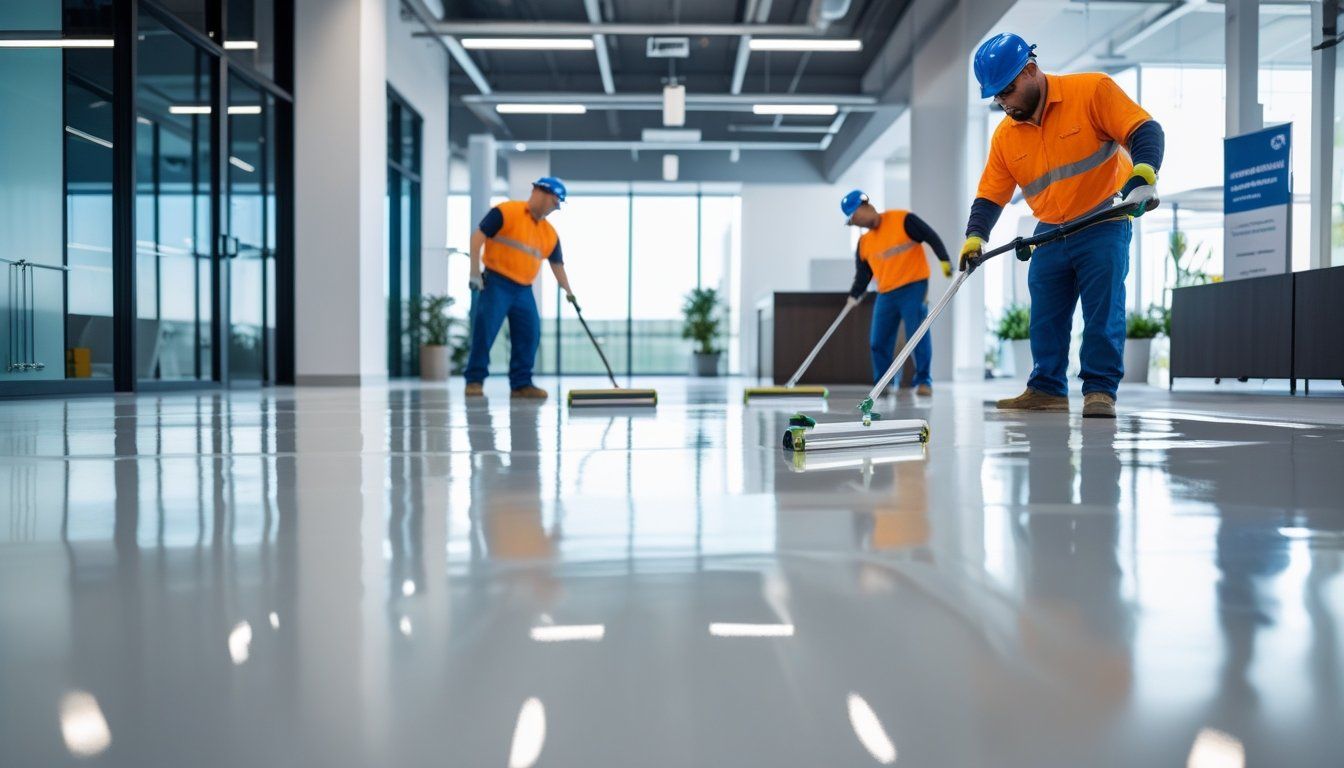
Learn how commercial epoxy flooring installation upgrades business spaces in Cambridge, MA. Explore safety, cost, maintenance, and installation insights.
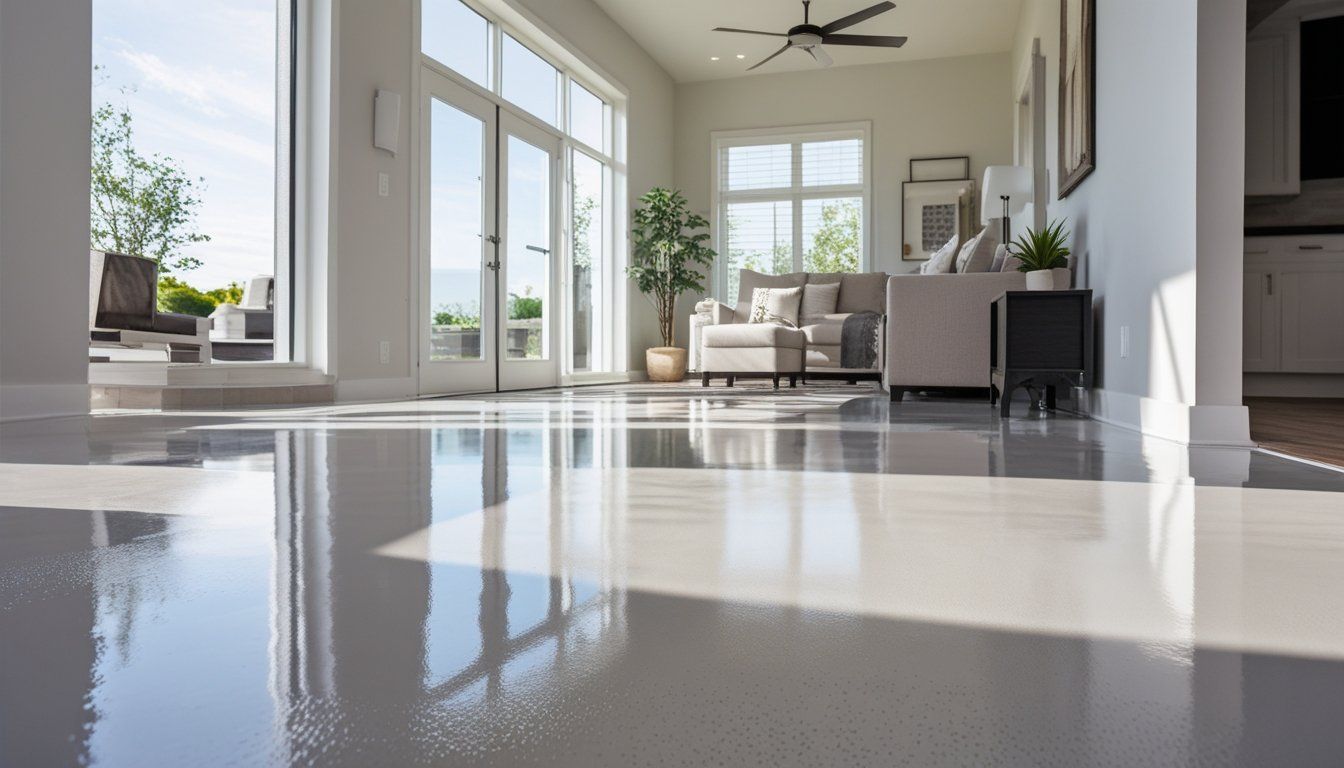
Explore durable residential epoxy flooring services in Cambridge, MA. Learn benefits, finishes, installation steps, and maintenance tips for your home.
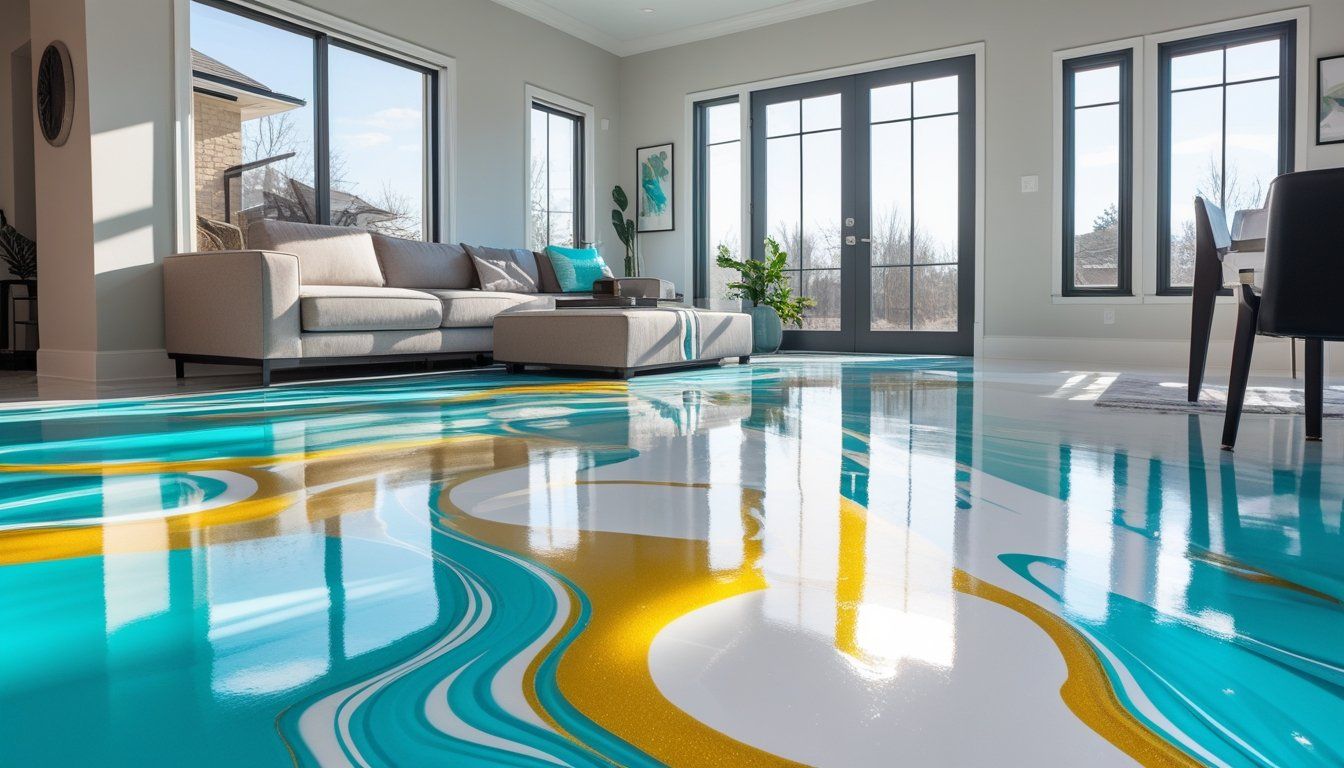
Explore durable residential epoxy flooring services in Cambridge, MA. Learn benefits, finishes, installation steps, and maintenance tips for your home.
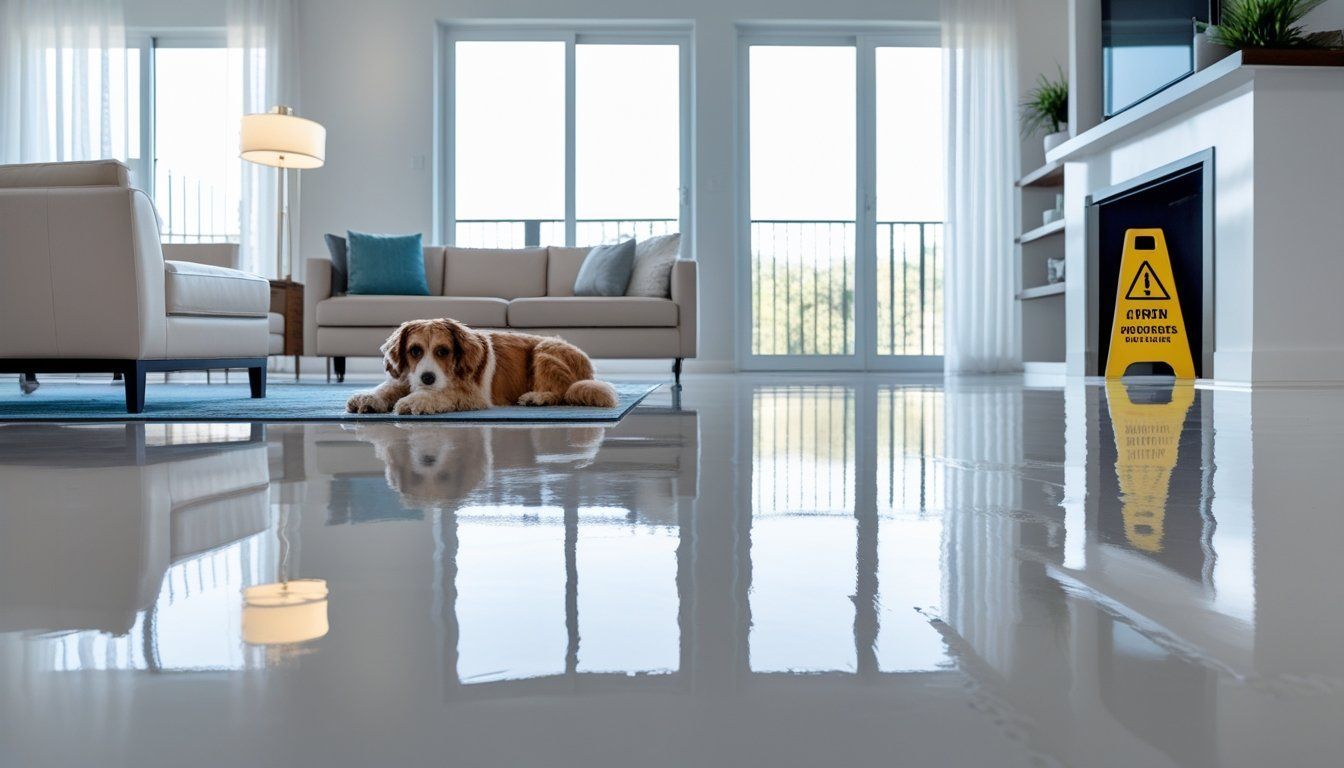
Learn the pros and cons of residential epoxy flooring in Cambridge, MA. Explore durability, safety, costs, installation steps, and maintenance tips.
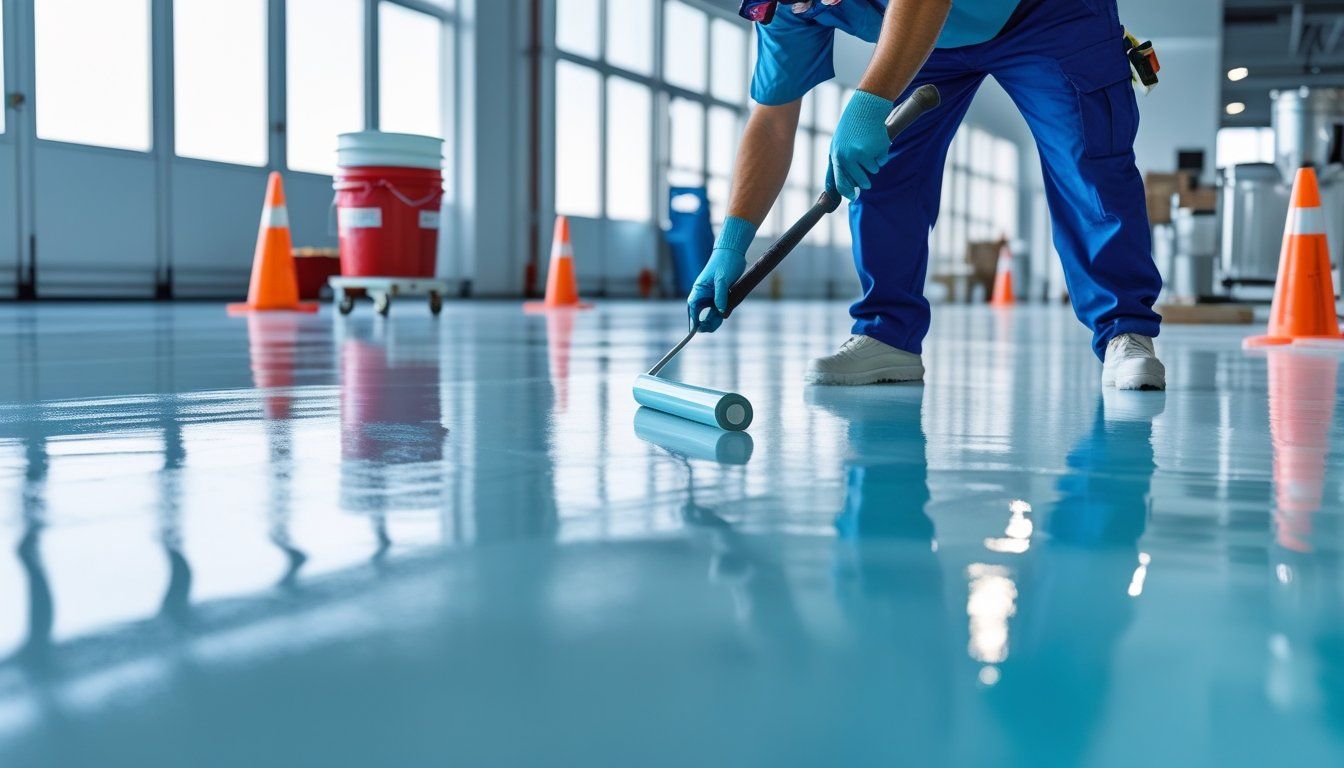
Explore epoxy flooring services in Cambridge, MA. Learn systems, benefits, installation steps, and options for durable residential and commercial spaces.
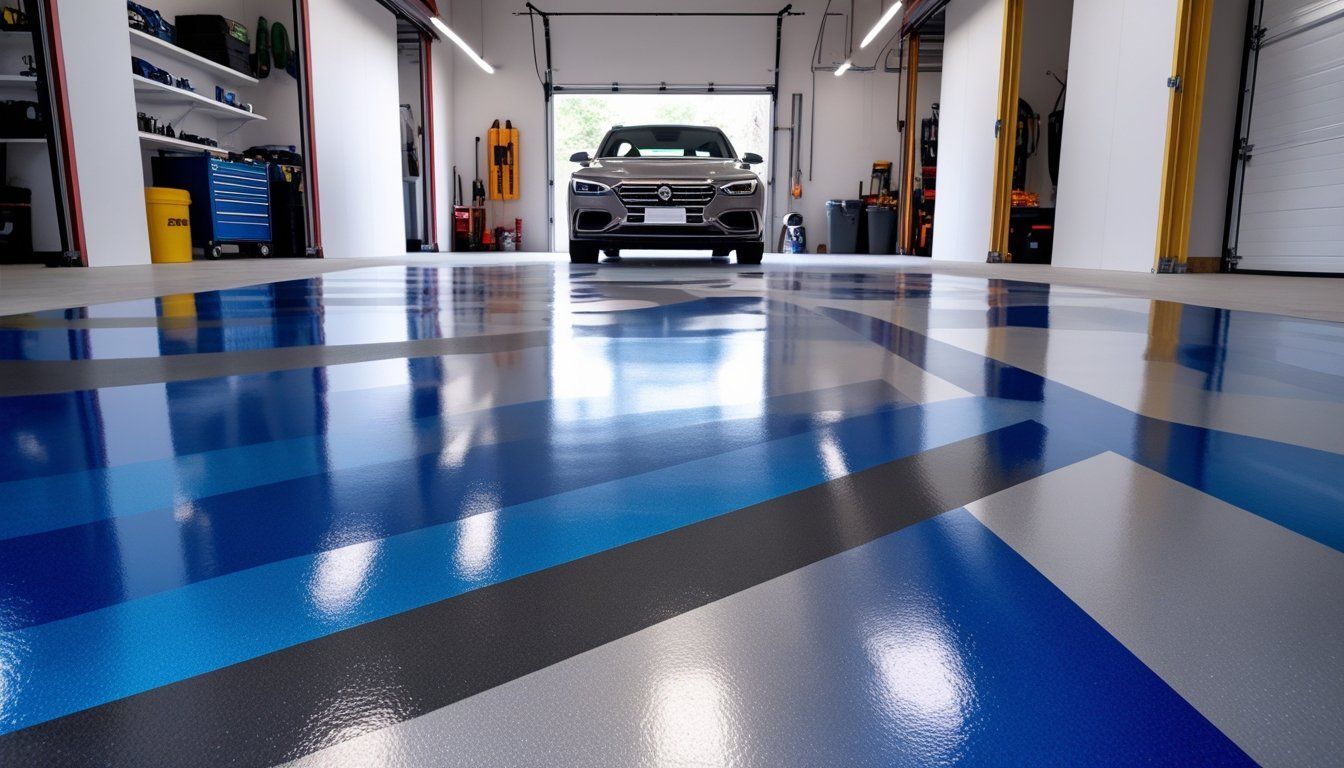
Explore garage epoxy floor colors in Cambridge, MA. Discover design ideas, color trends, finishes, and how lighting and texture impact your choice.
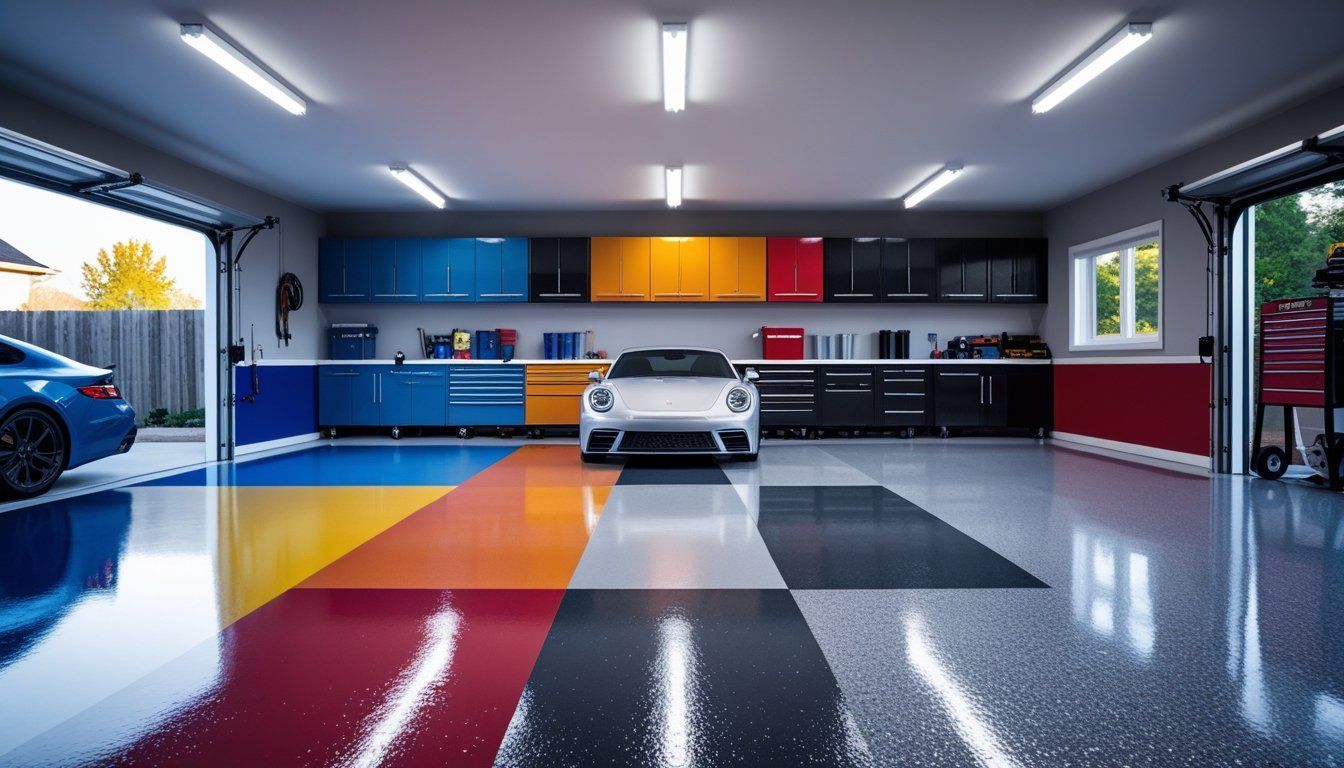
Explore garage floor epoxy colors, finishes, and safety benefits for Cambridge homes. Learn how to choose shades that brighten, protect, and perform.
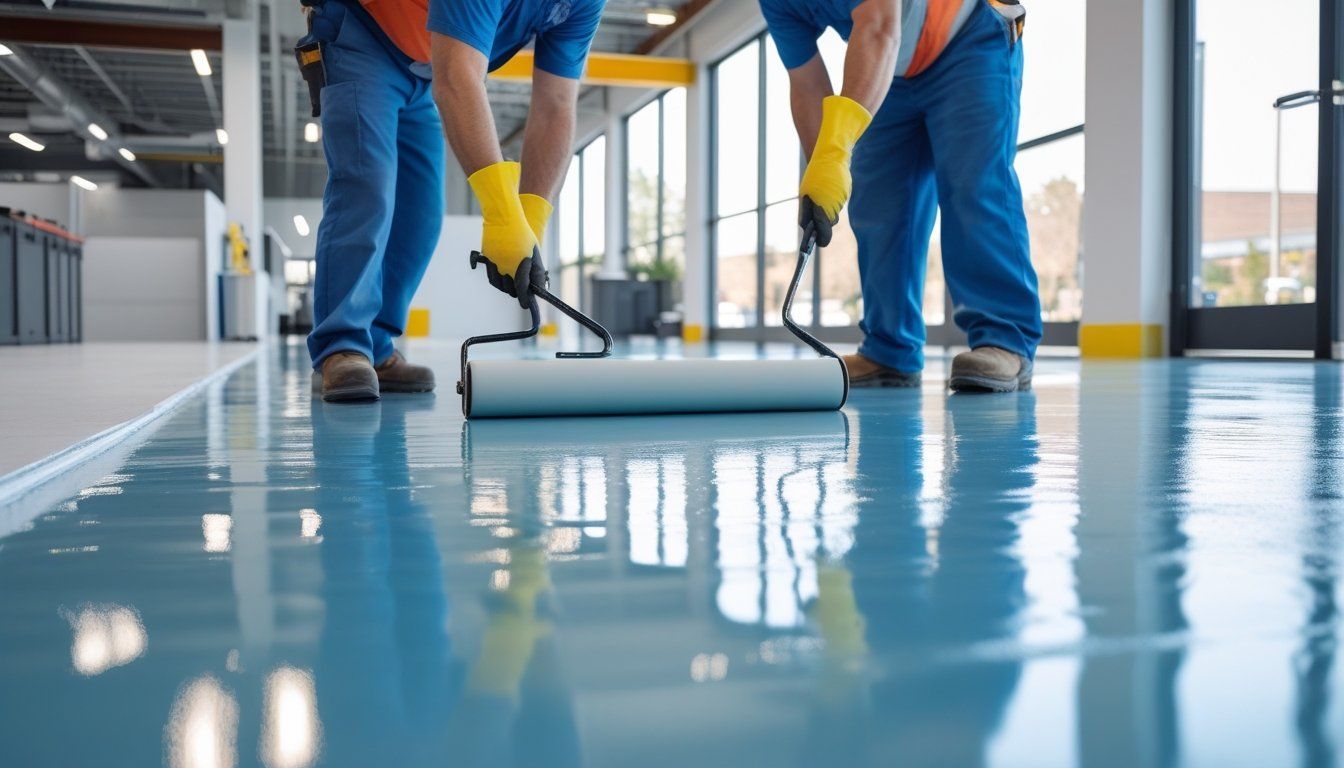
Discover commercial epoxy flooring services that enhance durability, safety, and style for businesses in Cambridge and Greater Boston.
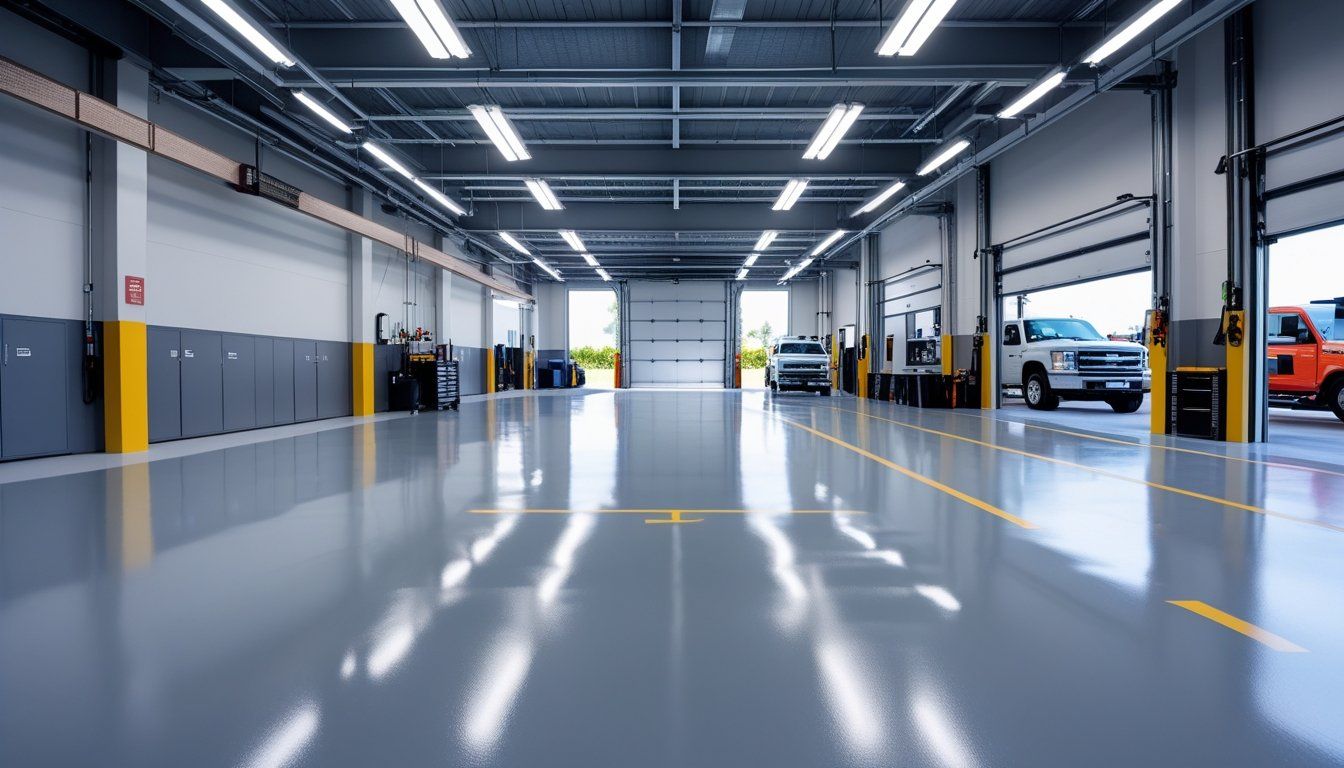
Learn how commercial epoxy garage flooring improves durability, safety, and appearance for businesses across Cambridge and Greater Boston.
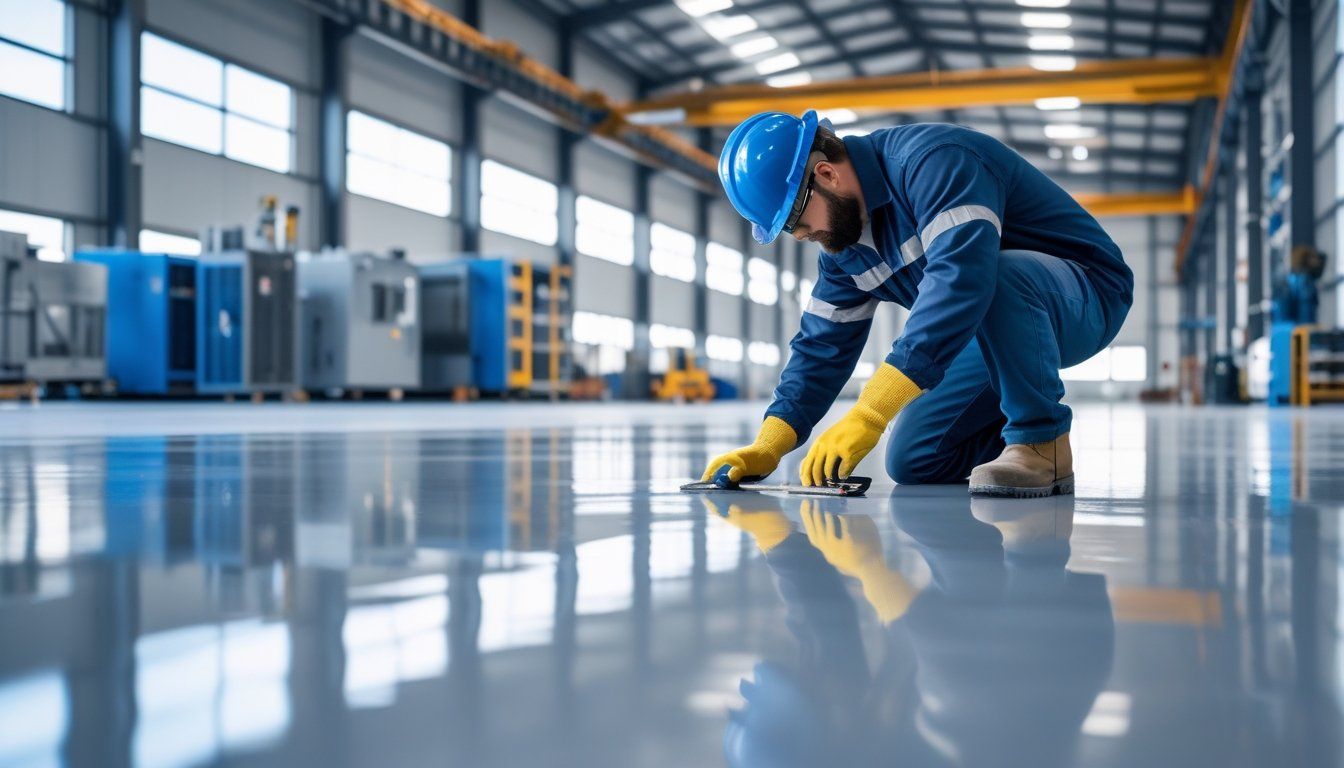
Learn the benefits of industrial epoxy flooring in Cambridge MA. Discover cost, durability, safety, and design tips for warehouses, factories, and labs.