Epoxy Flooring Services in Cambridge, MA for Stylish, Durable Upgrades
Daniel McGonagle • November 14, 2025
Epoxy flooring services in Cambridge, MA offer a durable, low-maintenance way to upgrade busy areas in your home or business. This type of flooring resists stains, scratches, and spills, giving you a cleaner, more polished space without the upkeep that traditional materials often require.
When you work with Cambridge MA Epoxy Flooring, you receive local expertise
and dependable installation.
Our finishes are tailored to meet the needs of Greater Boston’s residential, commercial, and industrial spaces.
In this guide, you’ll explore how epoxy works, the systems available, where it’s best used, and how professional services can help you achieve a durable and stylish floor that fits your daily routine.
What Is Epoxy Flooring?
Epoxy flooring is a sturdy, smooth coating that goes right over concrete. It shields floors from damage and gives them a clean, polished look. You’ll get a durable surface that’s easy to keep up and comes in a bunch of colors and finishes.
How Epoxy Flooring Works
To make epoxy flooring, you mix two main parts: resin and hardener. When these come together, they form a solid layer that really sticks to concrete. This layer seals cracks, blocks stains, and stands up to chips and scratches.
After prepping the floor, you spread the thick mixture and let it cure. Once it hardens, you’ve got a tough surface that handles heavy traffic and spills. Because it’s seamless—no grout lines or gaps—dirt and moisture can’t sneak in, so cleaning is a breeze whether it’s a home or business.
Types of Epoxy Flooring Systems
You’ve got a few options here, depending on what you need:
- Self-leveling epoxy: Gives you a super-smooth, glassy surface—great for showrooms or basements.
- Mortar epoxy: Thicker and a bit rougher, so it’s good for fixing up damaged floors or places that need extra grip.
- Quartz-filled epoxy: Blended with colored quartz for texture and anti-slip—popular in kitchens or garages.
- Metallic epoxy: Shiny and decorative, with a marbled look that’s hard to ignore.
Each style has its own vibe and function, so you can pick what matches your taste and safety needs.
Common Applications
Epoxy floors fit just about anywhere:
- Residential: Garages, basements, patios, and home workshops get a neat, durable upgrade.
- Commercial: Offices, gyms, restaurants, retail stores, and showrooms benefit from easy-care, professional floors.
- Industrial: Warehouses, factories, and labs need floors that can take a beating from heavy machinery, chemicals, and constant use.
Wherever you put it, epoxy flooring brings strength, style, and durability. Local pros know what works best for homes and businesses in places like Somerville or Arlington, so you’re not left guessing what’ll last.
Benefits of Professional Epoxy Flooring Services
When you go with professional epoxy flooring, your floor looks better and holds up longer. It protects against damage, keeps things safer, and makes cleaning less of a hassle. You get more value and better function, whether it’s your house, shop, or industrial spot.
Enhanced Durability
Epoxy flooring adds a tough, protective layer
to your concrete surfaces. This layer stands up to cracking, chipping, and stains from heavy foot traffic, machinery, or chemicals. Bare concrete just can’t compete—it wears out way faster.
If you get a proper install, your epoxy floor could last years longer than plain concrete. It also keeps out moisture and oil spills, so you’re less likely to end up with permanent damage. That’s a pretty smart, cost-effective move for garages, warehouses, shops, and even home basements.
Improved Safety
You can add anti-slip coatings to epoxy floors, which is a big deal in busy commercial spaces, gyms, or industrial sites where slips and falls are a real risk.
Because epoxy flooring is seamless, there aren’t any cracks or gaps where dirt and bacteria can hide. That means a cleaner, safer place for your family, staff, or customers. Plus, those bright finishes reflect more light—handy for making spaces feel more open and easier to move around in.
Low Maintenance
Epoxy floors save you time and money on cleaning and repairs. The smooth, sealed surface repels dirt, dust, and liquids, so you just wipe up spills with a mop or cloth. No need for harsh chemicals or endless scrubbing.
They’re also resistant to stains from oil, grease, and chemicals, so your floor keeps looking sharp. If you’re busy (who isn’t?), this style makes upkeep way easier without sacrificing looks.
Residential Epoxy Flooring Solutions
Epoxy flooring brings strength, style, and easy care to the hardest-working parts of your home. You get floors that resist stains, cracks, and heavy use, and still look clean and polished. With different colors and textures, you can match your floors to your home’s style—or just your mood that week.
Garage Floor Coatings
Your garage floor takes a beating from oil, dirt, and foot traffic. Epoxy coatings protect the concrete from stains, cracks, and general wear. Cleaning is simple—just sweep or mop up whatever mess happens.
You can add anti-slip textures to make the space safer, which is great for families or anyone using the garage as a workshop. And with all the color and pattern choices, you can actually make your garage look good for once.
Basement Epoxy Floors
Basements are often damp and cold, which ruins regular flooring. Epoxy blocks moisture and resists mold and mildew, so your basement stays cleaner and healthier.
You can brighten things up with colors or metallic finishes, and the floor can handle heavy stuff like gym equipment or storage boxes without cracking. It’s easy to clean, too, so your basement feels more valuable and inviting—whether it’s a playroom, office, or just extra storage.
Kitchen and Living Spaces
Epoxy isn’t just for garages
or basements—it works in kitchens and living rooms, too. You get a smooth, glossy finish that fits modern designs, and the floor handles spills, dropped dishes, and heavy traffic without flinching.
Stains wipe away fast, which saves you time on chores. You can pick colors or flakes that match your kitchen cabinets or living room style.
If you’re worried about scratches or fading, epoxy has you covered. You can get floors that balance good looks and practicality, even in a busy household.
Commercial and Industrial Epoxy Flooring
If you run a commercial or industrial space, you need floors that are strong, safe, and easy to keep up. Epoxy floors give you a smooth, tough surface that stands up to heavy use, spills, and foot or vehicle traffic. And if you care about style, there are plenty of looks to choose from.
Warehouses and Factories
In warehouses and factories, floors are dealt with by forklifts, heavy equipment, and spills. Epoxy flooring protects against cracks, stains, and chemical damage. Anti-slip finishes can boost safety, which—let’s be honest—is always a good thing.
Cleanup is easier, so you cut down on downtime. You can pick colors or textures that suit your facility’s needs and still meet safety codes.
Retail and Showrooms
Retail or showroom floors have to look good for customers and handle high traffic and the occasional spill. Epoxy gives you a glossy, attractive surface that stands up to daily wear and doesn’t need much maintenance.
Customize the finish with colors or decorative flakes to match your brand. Cleaning up dirt or spills is quick, so your place stays fresh and inviting. Plus, you won’t have to replace or repair the floor as often.
Healthcare Facilities
Healthcare spaces need floors that meet strict standards for cleanliness and safety. Epoxy creates a seamless surface that resists bacteria, stains, and harsh cleaning chemicals. That’s huge for keeping things sterile.
Slip-resistant coatings help reduce falls in busy areas, and the durability of epoxy means fewer cracks where germs can hide. You can get coatings that meet healthcare requirements and are easy to maintain so that staff can focus on patient care—not floor repairs.
Epoxy Flooring Installation Process
Installing epoxy flooring takes a few careful steps to make sure your floor turns out strong and smooth. From getting the surface ready to putting on the final finish, every stage matters for a result that actually lasts.
Surface Preparation
First, you need to clean and repair the floor. That means getting rid of dirt, grease, and any old coatings that might stop the epoxy from sticking. Fill in cracks or holes to make everything even.
Sometimes, you’ll need to grind or blast the concrete to open up the pores for better adhesion. Good prep is key—if you skip it, the epoxy just won’t bond right. Moisture tests are a smart idea here, since too much dampness can cause peeling later.
Application Steps
Once the floor is ready, you mix the epoxy and start applying it in layers. The first layer—usually a primer or base coat—seals the concrete and helps the epoxy stick. After that dries, you roll or squeegee on one or more layers of epoxy resin.
If you want, you can add decorative flakes or metallic pigments between layers for a unique look or extra texture. Each coat needs to go on carefully to avoid bubbles or uneven spots. The number of layers depends on how much abuse the floor will take—industrial spaces usually get more.
Curing and Finishing
After you’re done, the epoxy needs time to cure and harden. Usually, that takes anywhere from 24 to 72 hours, depending on the temperature and humidity.
Try not to walk on it or put anything down while it cures, so you don’t mess up the finish. Once it’s set, you can add a clear topcoat for extra protection and to get that glossy or matte look you want.
With proper curing, your new epoxy floor should stay tough, easy to clean, and looking good for years—at least, that’s the idea!
Why Ventilation Matters During Epoxy Installation
During curing, epoxy materials can release volatile organic compounds. According to the EPA, good airflow helps
reduce VOC concentrations and supports healthier indoor air while coatings cure.
Using fans, open windows, or mechanical ventilation helps keep installation areas safer and more comfortable. This step also supports a more consistent cure, improving your floor’s long-term durability.
Customization Options for Epoxy Floors
You can make your epoxy floor fit your style and needs with a bunch of choices. Pick colors, patterns, and special effects that work for your space. This way, your floor looks good while staying tough and easy to clean.
Color and Design Choices
Epoxy floors come in just about any color you can imagine—from bold reds to subtle grays and blues. Go for a single color or blend a few to match your home or business vibe. Some folks like light colors to open up a room, while others go darker to hide dirt.
Add stripes or borders if you want a little extra flair. You can really make your floor stand out, but it’ll still be practical for everyday life.
Metallic and Flake Finishes
Metallic epoxy gives floors a shiny, swirling look—almost like marble or brushed metal. It’s a solid choice for modern, stylish spaces. Plus, it’s durable and hides dust and minor scratches better than plain colors.
Flake finishes mix in little colored chips, adding texture and making dirt less obvious. You’ll see these a lot in garages and workshops. There’s a wide range of flake colors, so you can pick something that works with your base coat.
Logo and Branding Features
Businesses can add logos or brand images right into the floor for a sharp, professional look. It’s a cool way to make your space unique, and the logo gets sealed in, so it stands up to heavy use and cleaning.
This works well in offices, gyms, and stores around Cambridge and Greater Boston. Logos stay crisp and clear, and your floor keeps your brand looking good, even with lots of foot traffic.
Epoxy Floor Maintenance and Care
Taking care of your epoxy floors keeps them looking sharp and helps them last. Regular cleaning and a few simple habits go a long way. You’ll want to avoid damage from spills, scratches, or heavy use, but it’s not rocket science.
Cleaning Best Practices
Just sweep or dust mop the floor every day to get rid of dirt and dust. Skip the harsh chemicals and abrasive scrubbers—warm water with a mild detergent or a cleaner made for epoxy does the trick.
For tough spots, use a soft brush or a non-abrasive pad. Stay away from oil-based or acidic cleaners, since they can mess up the finish. Wipe up spills
quickly so you don’t end up with stains or slippery patches.
After mopping, rinse with clean water to avoid any leftover residue. Keeping up with cleaning helps your floor stay safe and look its best, especially in busy spots like garages or workspaces.
Maintaining Gloss and Appearance
The shine on your epoxy floor comes from its sealed surface, but it can lose that gloss over time. Try not to drag heavy or sharp stuff across it. Felt pads under furniture or equipment help, too.
Every few months, you can bring back the shine with a non-slip epoxy coating or a floor polish made for epoxy. That’ll restore the finish and add a protective layer.
If you spot scratches or dull patches, touch-ups and re-coating can bring your floor back to life. Regular care means you get to enjoy a clean, polished floor that matches your style.
Choosing the Right Epoxy Flooring Contractor
Picking the right contractor can make or break your epoxy flooring project. You want someone who’s got real experience, stands behind their work, and has solid customer feedback. These things matter if you want your floor to look good and last.
Evaluating Experience and Credentials
Look for contractors with years of hands-on experience installing epoxy floors. Ask how many projects similar to yours they’ve done. Installers who know what they’re doing will prep floors the right way before putting down epoxy, which makes a big difference in durability.
Check if they have the right licenses or certifications for your area. Credentials show they follow safety rules and local standards. Ask about the types of epoxy systems they use and their experience with different kinds of floors—residential, commercial, or industrial.
A good contractor will explain their process and answer your questions. That kind of openness builds trust.
Understanding Warranties
A solid warranty protects you if something goes wrong with the floor. Make sure your contractor gives you a written warranty covering installation and materials, usually for one to five years.
Read what the warranty actually covers—like peeling, cracking, or discoloration. Some warranties include repairs or re-coating at no extra cost.
Be wary of contractors who don’t provide any warranty or only make promises without paperwork. You want to know exactly what’s covered and for how long.
Customer Reviews and Testimonials
Customer feedback gives you a real sense of how a contractor works. Check out reviews from homeowners and businesses in Cambridge and nearby towns.
Look for comments about punctuality, quality, communication, and how the team handles problems. If people keep mentioning durability and clean installs, that’s a good sign.
Ask for references
or photos of local jobs. Hearing straight from past clients can help you feel better about your choice.
Cost Considerations for Epoxy Flooring Services
If you’re thinking about epoxy flooring, it helps to know what affects the price and how to plan your budget. Costs depend on things like the size of your space and the type of epoxy you want. Getting a handle on these details makes budgeting easier and helps you get the most for your money.
Factors Affecting Pricing
Several things impact the cost of your epoxy floor. First, the size of your space matters—a bigger area means more material and labor, so the price goes up.
The type of epoxy you pick also plays a role. Decorative finishes with flakes or metallic effects cost more than a basic clear coat. Surface prep can add to the price. If your concrete has cracks or stains, it’ll take more work to get it ready.
Labor costs change depending on how complicated the job is and local rates. Some projects, especially in commercial or industrial settings, just take longer.
Budgeting Your Project
Start by measuring your space so you can get an accurate estimate. Factor in prep costs, since repairs can get pricey. Decide what kind of look and finish you want. Decorative options bump up the price but can really boost your floor’s appearance and value.
Plan for a little extra in your budget, in case you want things like anti-slip coatings or extra layers for safety or durability.
A Reliable Way to Upgrade Floors Across Cambridge
Epoxy flooring gives you a balance of durability, design flexibility, and easy upkeep that works across homes and commercial spaces in Cambridge. Whether you’re improving a garage, brightening a basement, or upgrading a busy workspace, epoxy supports a cleaner and more dependable surface.
Working with Cambridge MA Epoxy Flooring means you get trusted local guidance and careful installation. Our finishes are tailored to meet the needs of homes and businesses throughout Greater Boston. You end up with a floor that looks sharp and holds up through years of daily use.
If you’re exploring options, reach out and schedule
a consultation. We’ll be happy to help you decide what’s better for your space.
Frequently Asked Questions
Epoxy flooring is a tough, low-maintenance option for lots of spaces. Here’s a quick rundown on costs, how it stacks up against tile, picking the right installer, installation timing, using it at home, and some basic care tips.
How much does professional epoxy flooring installation typically cost?
The price depends on your space and the flooring type. Usually, it runs from $3 to $12 per square foot. Complex designs or thicker coatings can bump up the cost.
What are the advantages of choosing epoxy flooring over tiles?
Epoxy floors are stronger and more resistant to impact and stains than tiles. They give you a seamless surface, which makes cleaning way easier. Unlike tiles, epoxy doesn’t crack or chip as easily, and you can customize it with colors or textures to fit your style.
What should I consider before selecting an epoxy flooring service provider?
Look for local experience and a solid track record. Ask about the materials they use and if their installation methods work for your needs. Make sure they offer upfront pricing and free estimates. Check reviews, too, so you know they’re reliable.
How long does an epoxy floor take to install, and what's the curing time?
Prep and installation usually take one to three days. After that, the floor needs about 24 to 72 hours to cure fully. Try to keep off it until it’s set for the best results.
Can epoxy flooring be used in residential settings, and if so, what are the benefits?
Absolutely—epoxy works great for garages, basements, patios, and workshops. It’s easy to clean, resists stains, and gives your space a sleek look. It stands up to daily wear and still looks good, so it’s a smart choice for homes.
What maintenance is required to keep epoxy floors in top condition?
Just sweep or mop with a gentle cleaner now and then to keep things looking sharp. Skip the harsh chemicals—they'll only mess up the shine. If you spot scratches or chips, don't stress. A pro can usually fix them up fast and without breaking the bank.
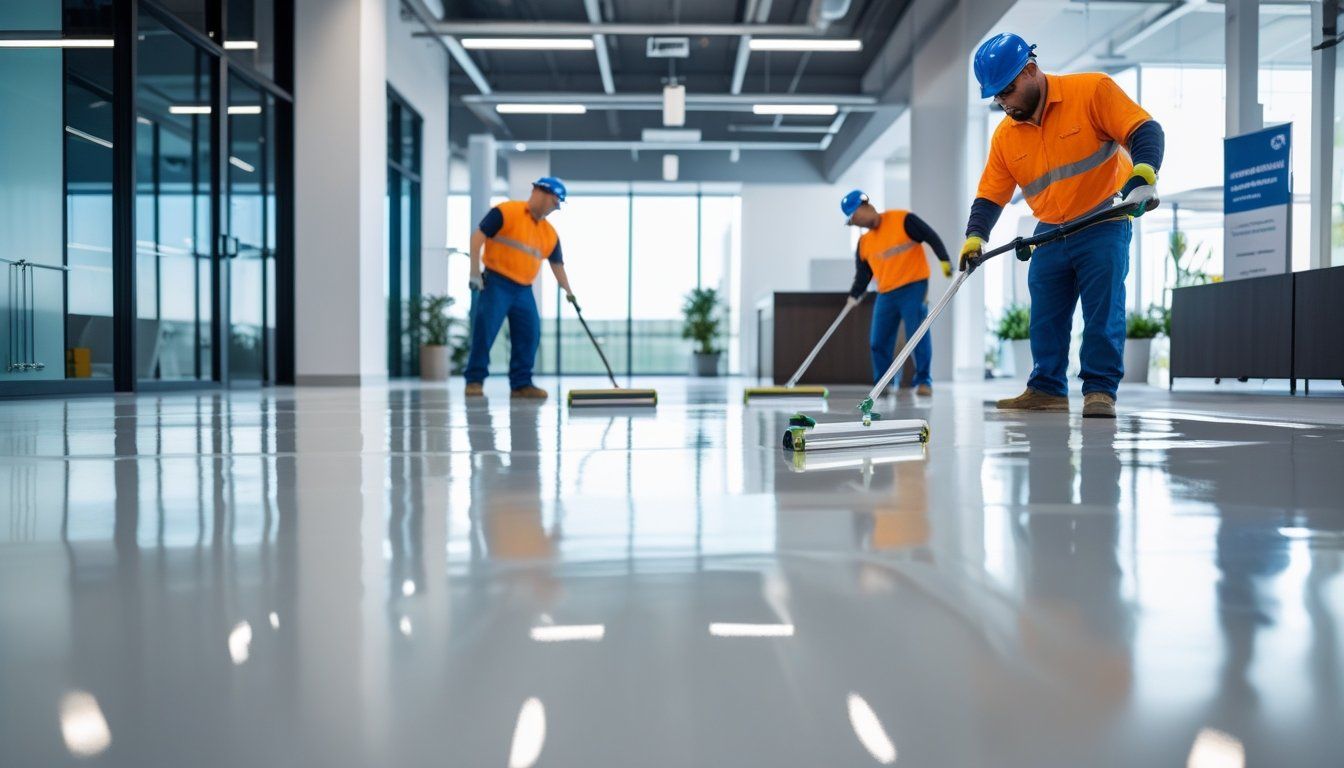
Learn how commercial epoxy flooring installation upgrades business spaces in Cambridge, MA. Explore safety, cost, maintenance, and installation insights.
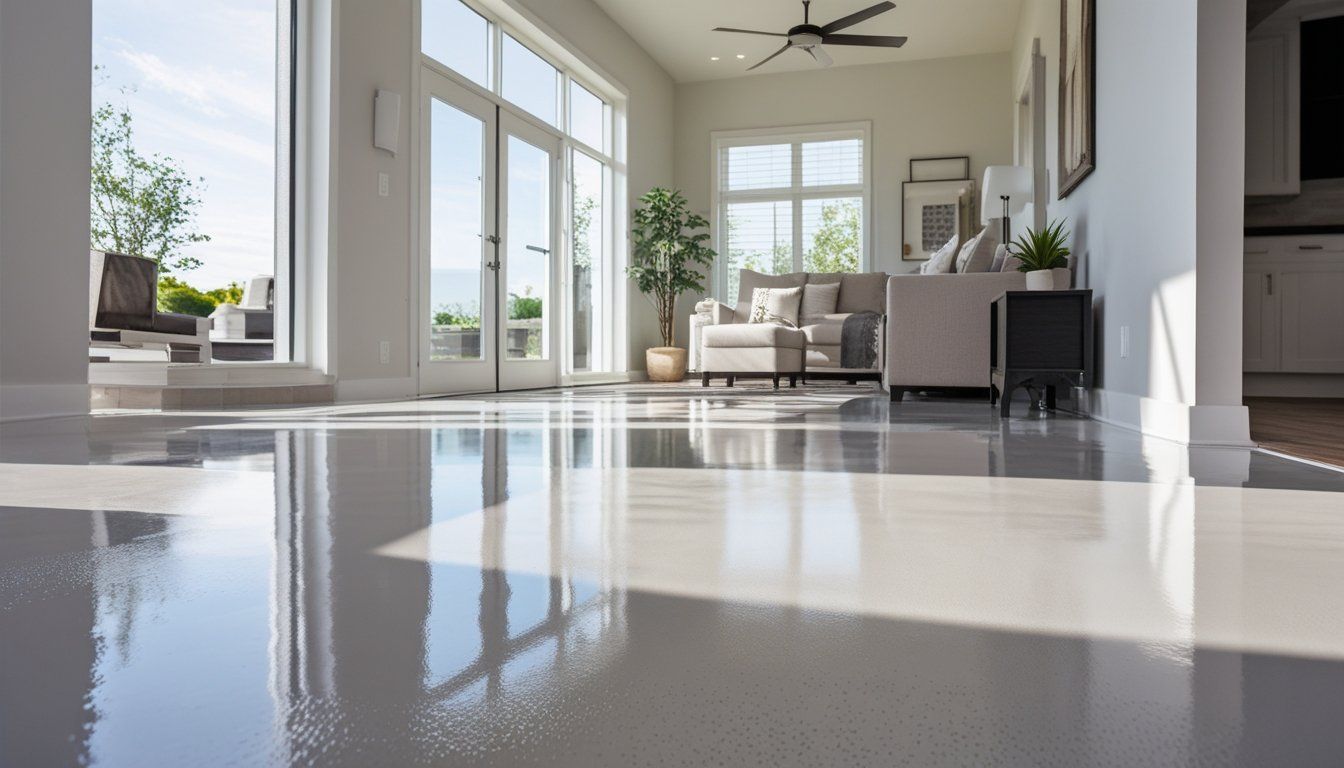
Explore durable residential epoxy flooring services in Cambridge, MA. Learn benefits, finishes, installation steps, and maintenance tips for your home.
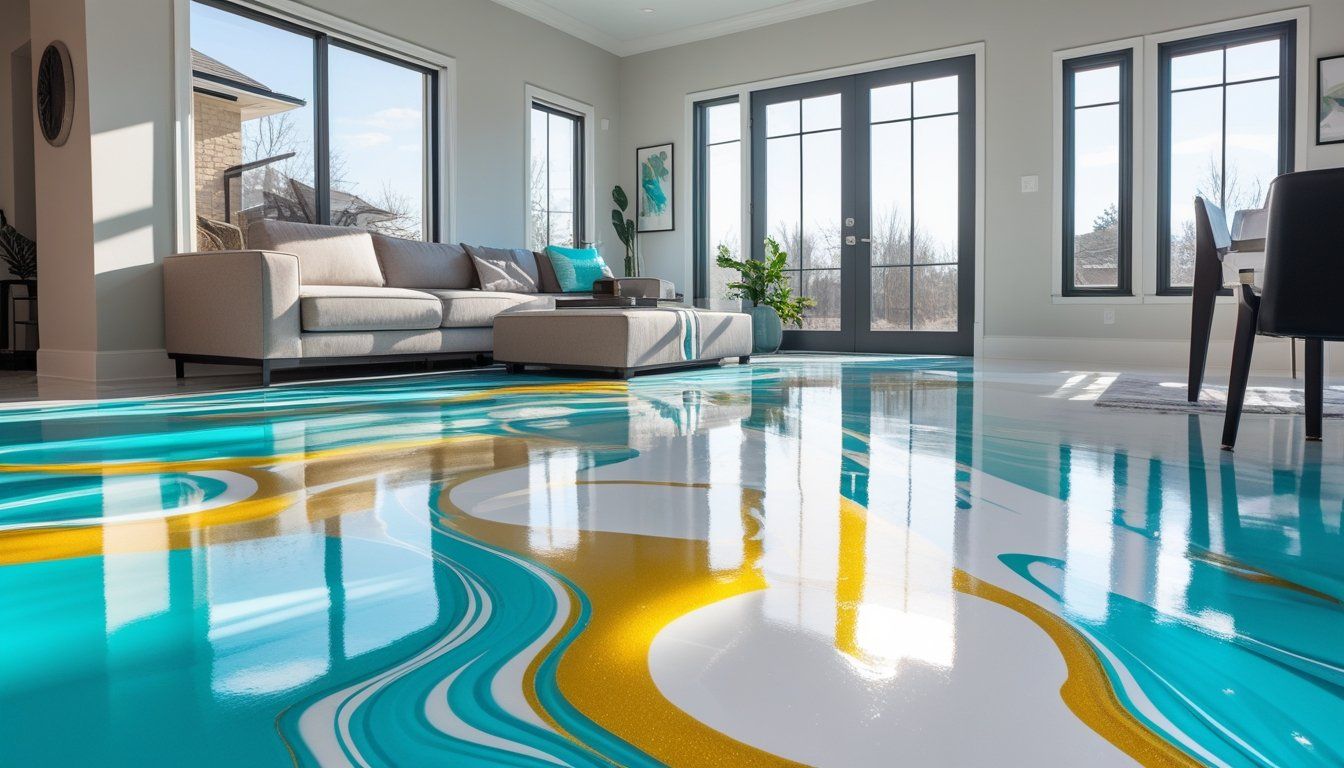
Explore durable residential epoxy flooring services in Cambridge, MA. Learn benefits, finishes, installation steps, and maintenance tips for your home.
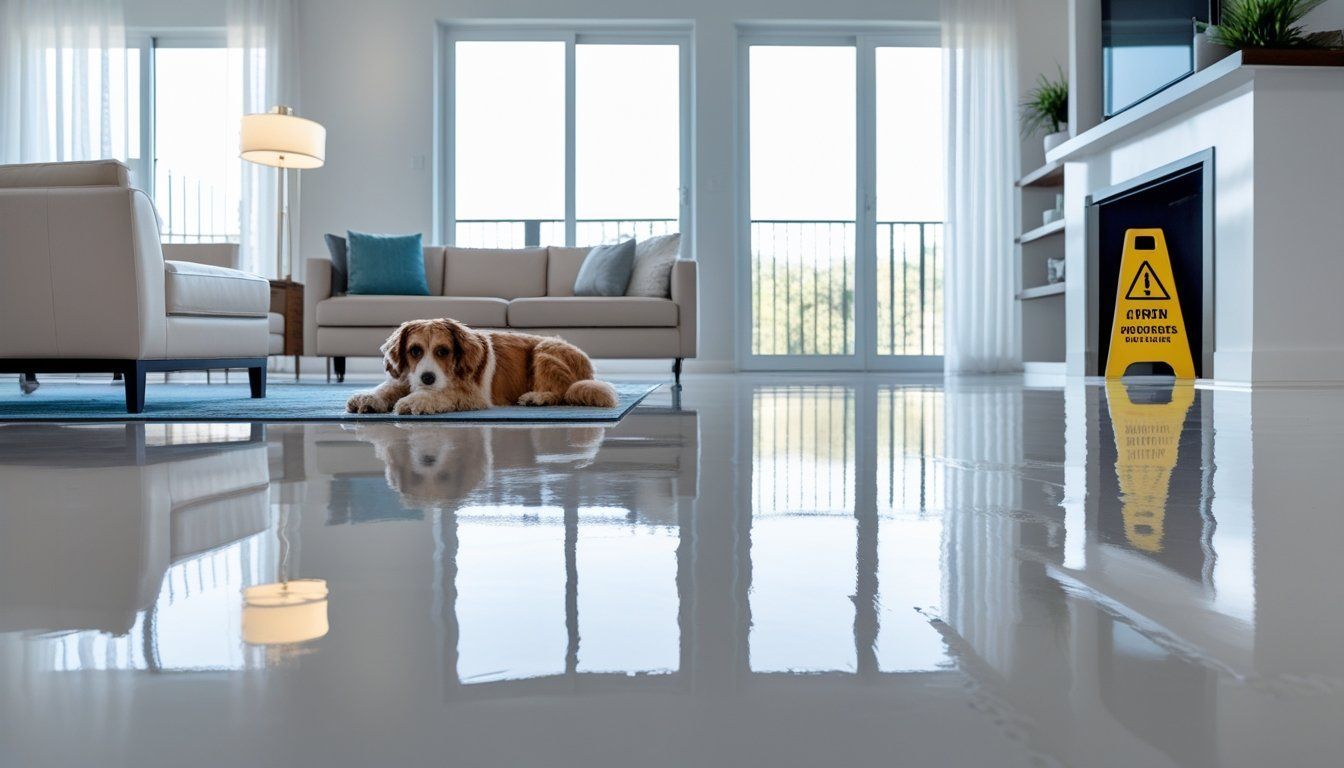
Learn the pros and cons of residential epoxy flooring in Cambridge, MA. Explore durability, safety, costs, installation steps, and maintenance tips.
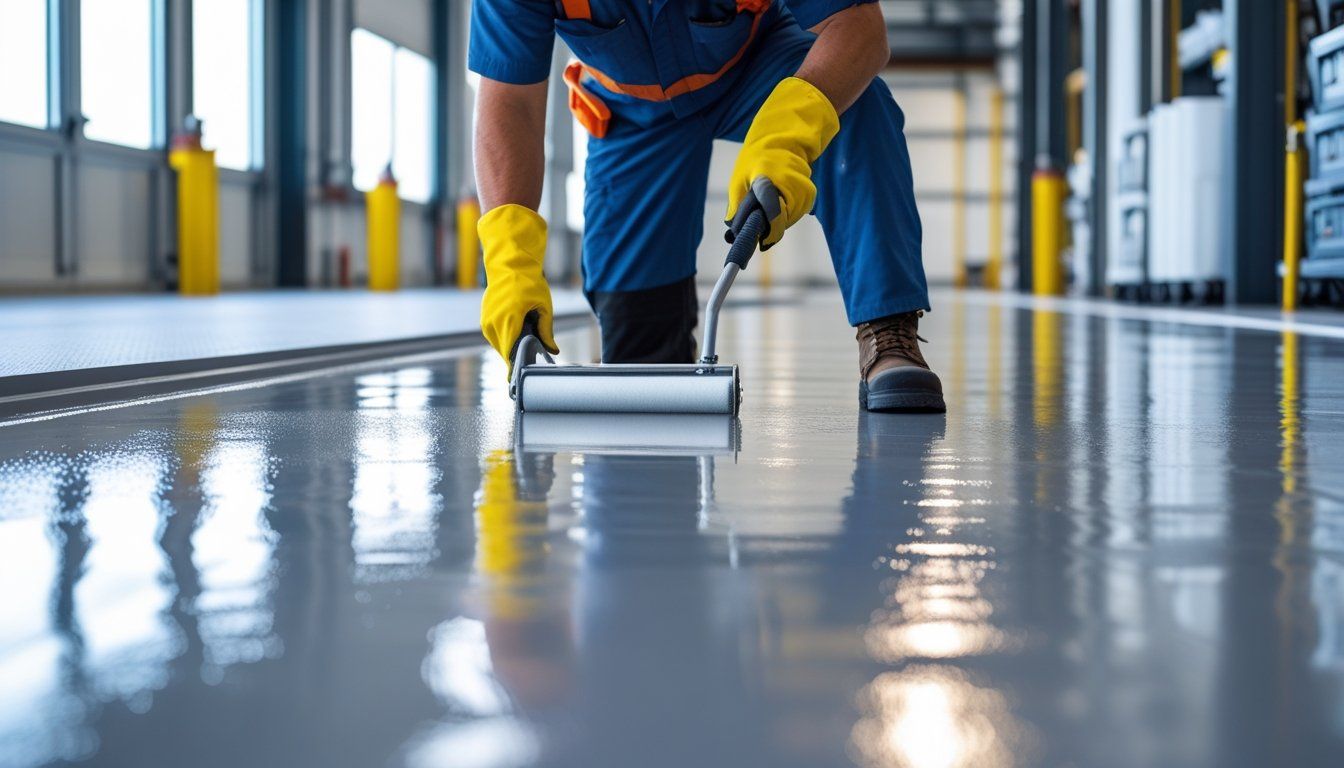
Explore industrial epoxy flooring service in Cambridge, MA. Learn benefits, types, installation steps, safety factors, and maintenance tips for busy facilities.
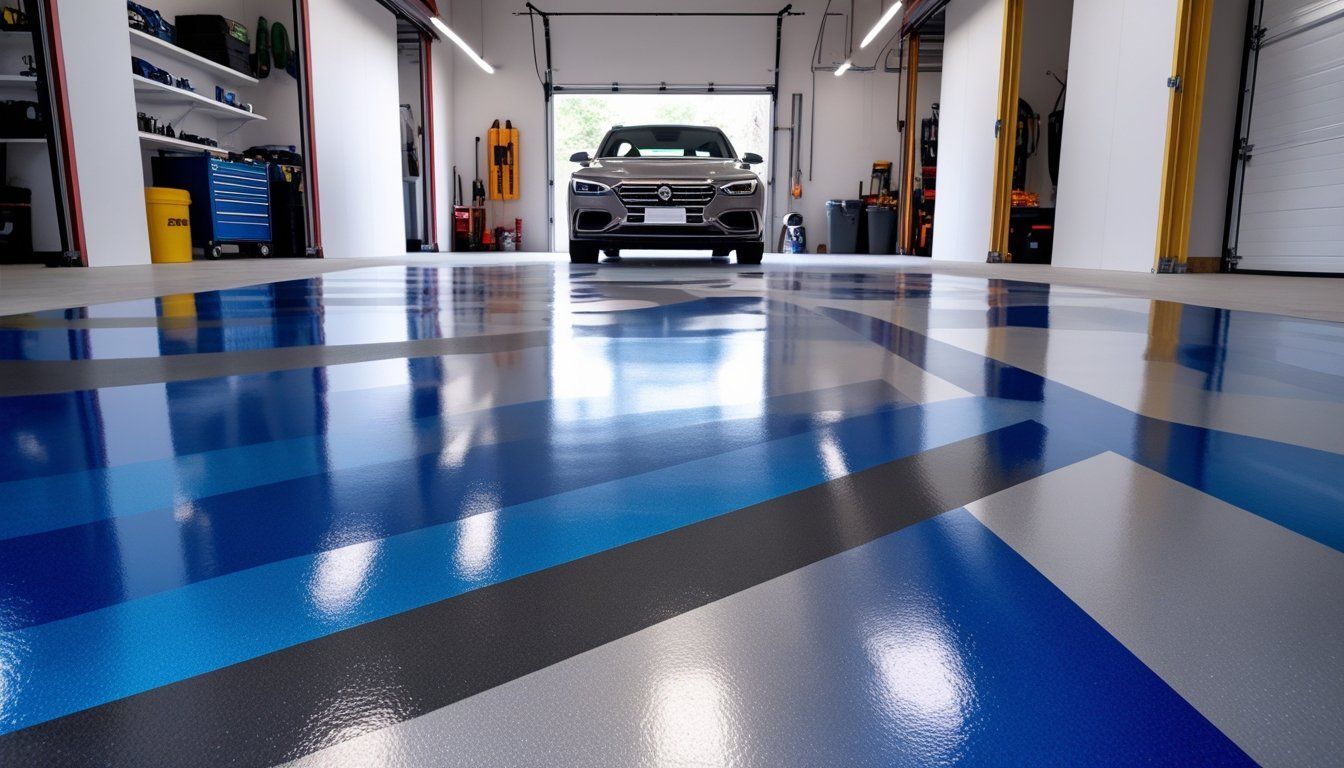
Explore garage epoxy floor colors in Cambridge, MA. Discover design ideas, color trends, finishes, and how lighting and texture impact your choice.
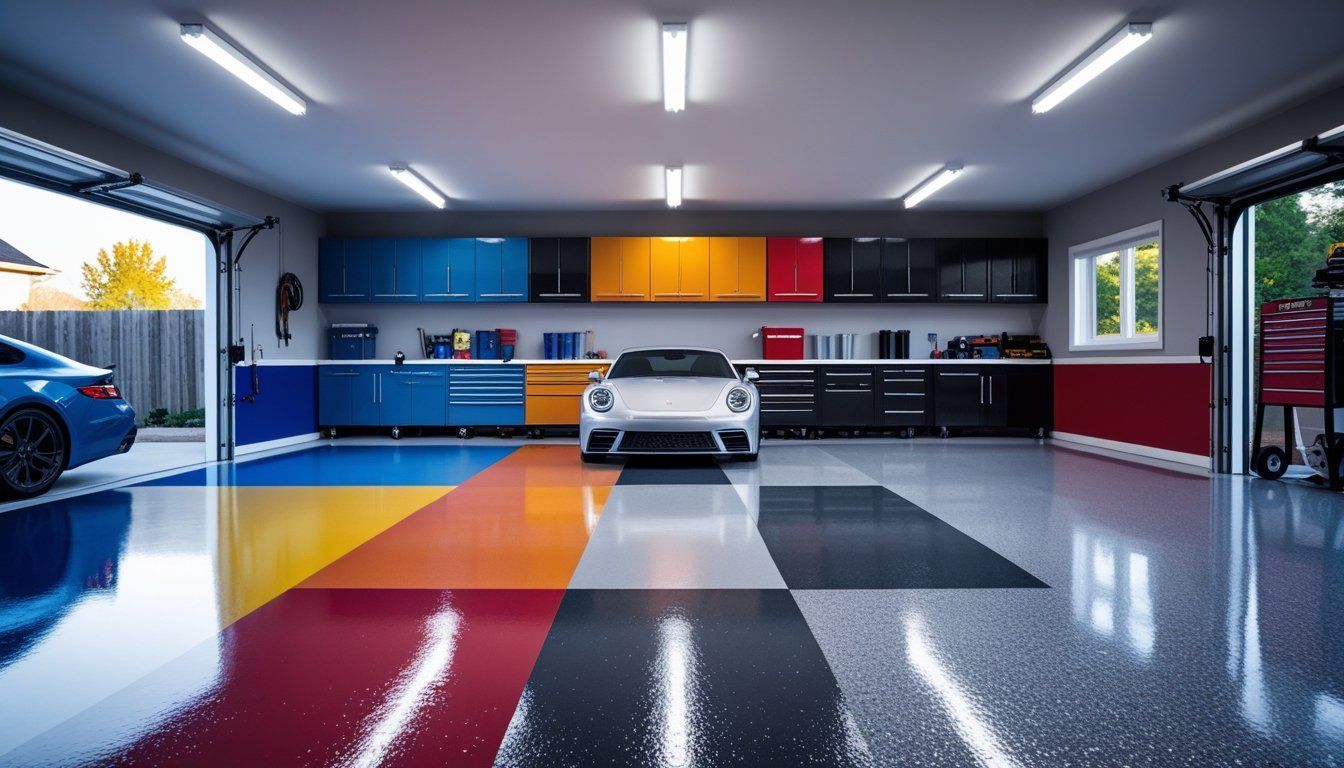
Explore garage floor epoxy colors, finishes, and safety benefits for Cambridge homes. Learn how to choose shades that brighten, protect, and perform.
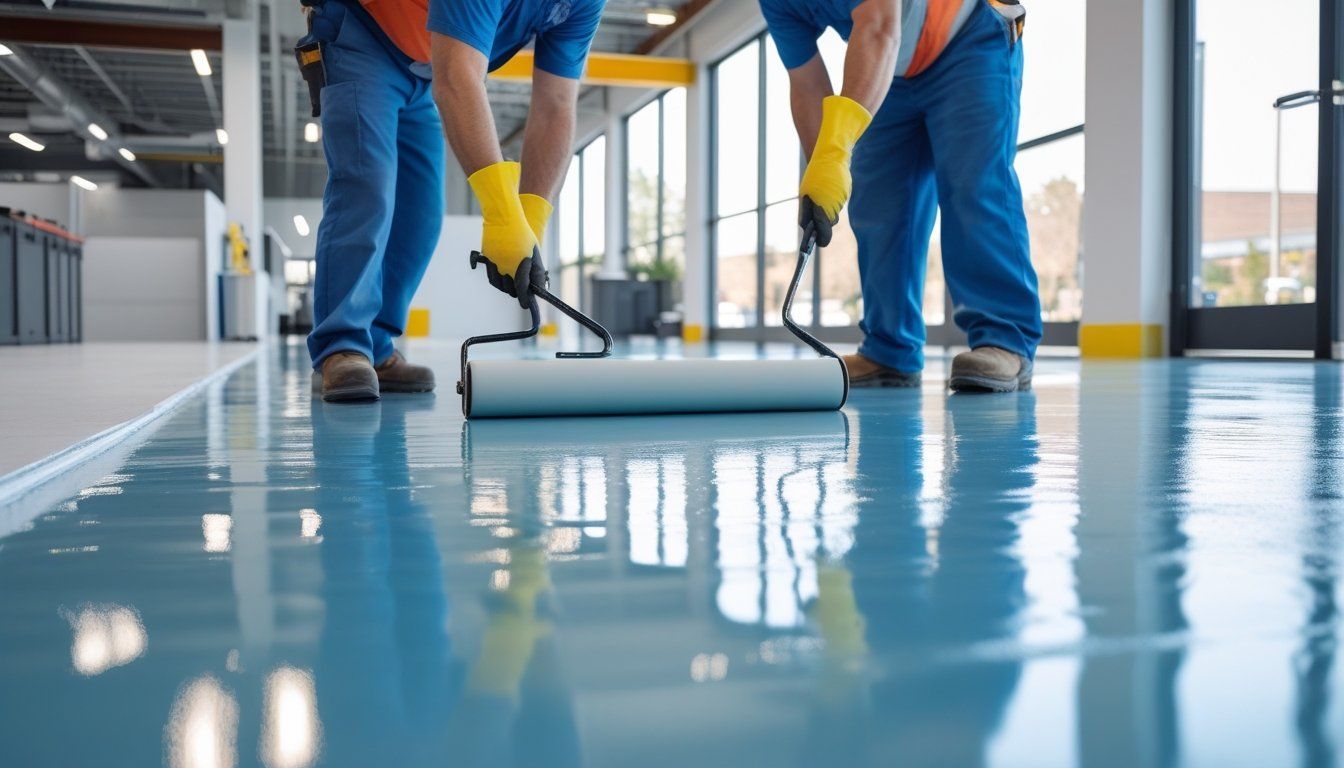
Discover commercial epoxy flooring services that enhance durability, safety, and style for businesses in Cambridge and Greater Boston.
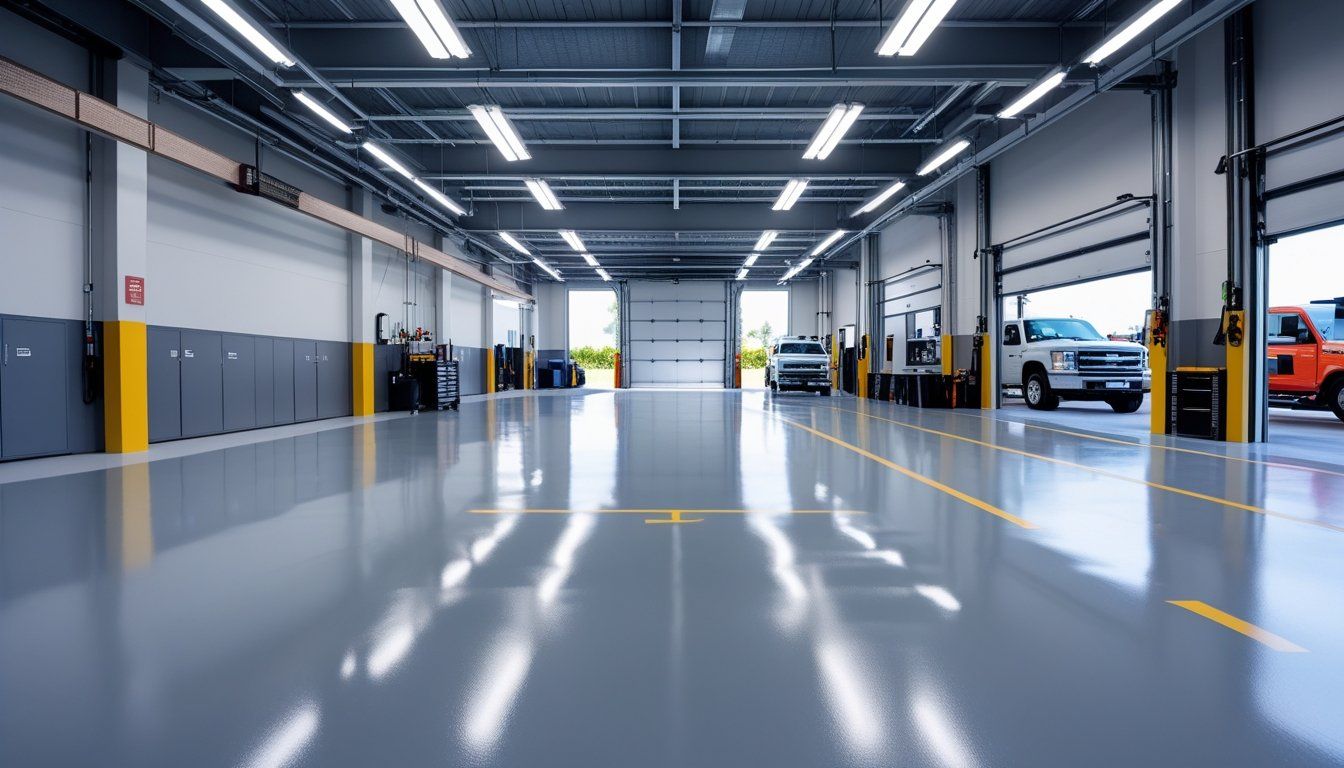
Learn how commercial epoxy garage flooring improves durability, safety, and appearance for businesses across Cambridge and Greater Boston.
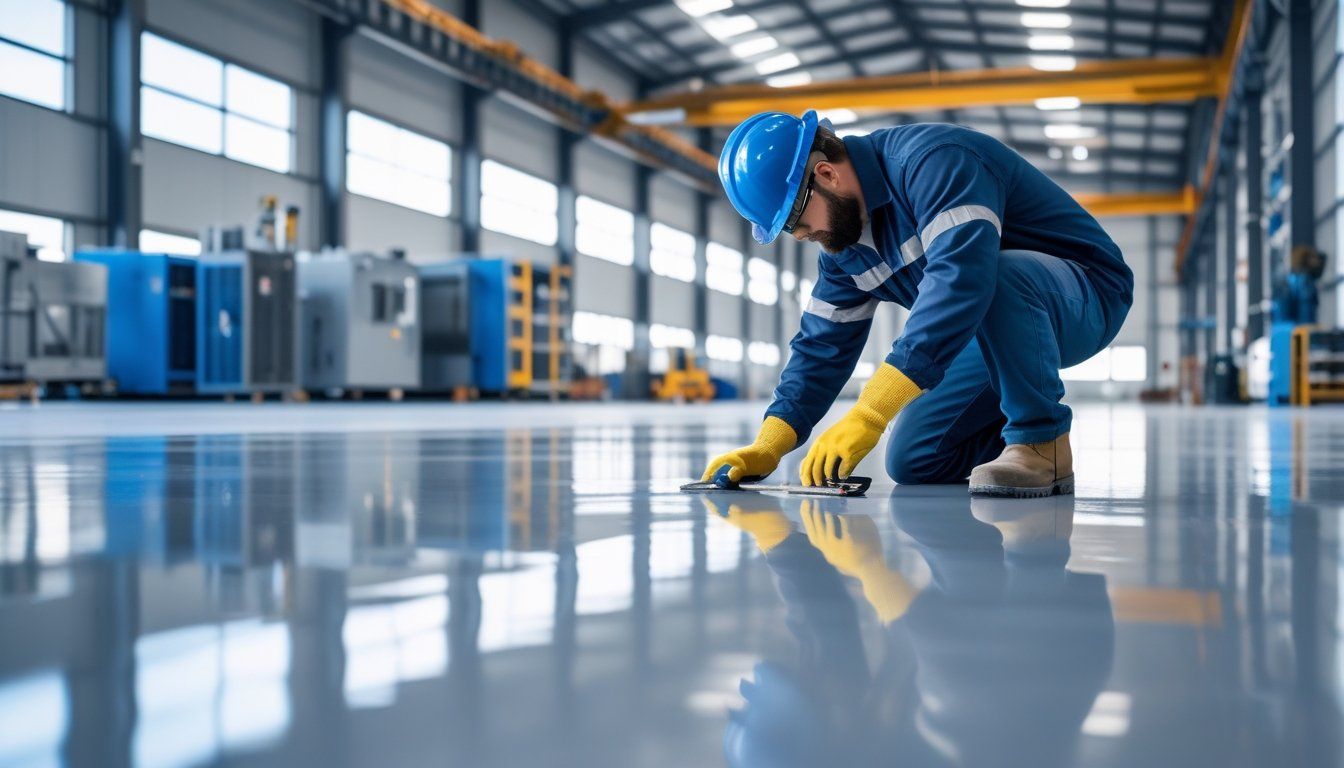
Learn the benefits of industrial epoxy flooring in Cambridge MA. Discover cost, durability, safety, and design tips for warehouses, factories, and labs.