Garage Floor Epoxy Colors Guide to Brighten and Protect Your Space
Daniel McGonagle • November 7, 2025
Picking garage floor epoxy colors shapes how bright, clean, and inviting your space feels. That is true especially when you want durability and style in a busy Cambridge garage. The right shades can boost visibility, hide dust, and support long-term performance in a high-traffic area.
Working with Cambridge MA Epoxy Flooring gives you access to finishes
designed for local homes.
These floors withstand moisture, temperature changes, and daily wear, making them more challenging and more durable.
In this guide, you’ll learn how different epoxy colors influence brightness, maintenance, and overall feel. You’ll also see how to compare samples, coordinate tones with existing décor, and choose finishes—like flakes or metallics—that bring extra protection and personality to your garage.
Understanding Garage Floor Epoxy Colors
Choosing the right epoxy color for your garage floor can totally change the way the space feels. Colors impact light, style, and even how clean your floor looks as time goes by. If you know how epoxy works and why color matters, you’ll have an easier time picking what’s right for your garage.
What Is Epoxy Floor Coating?
Epoxy floor coating comes from mixing epoxy resin and a hardener. When you blend them, they form a tough, shiny layer that sticks to concrete like glue.
This layer protects your garage floor from cracks, stains, and damage from oil or chemicals. Cleanup’s a breeze, since dirt and spills don’t cling as much as they do on bare concrete.
You can pick from different finishes—smooth, textured, whatever fits your needs.
Why Color Matters in Garage Flooring
Color isn’t just about looks. The right epoxy color can hide stains and dust, which is a lifesaver if your garage gets a lot of action. Light colors make the space feel bigger and brighter. Darker shades hide dirt better and can give your garage a cool, modern edge.
You can match your floor to your home’s style, or just pick what feels right. Bright, bold colors bring energy, while neutrals offer a cleaner, more professional vibe.
How Epoxy Colors Enhance Space
Colors really set the mood in your garage. Lighter shades reflect more light, making it safer and easier to work in there. Custom colors and patterns let you add a little flair. You might want a color that matches your car, your tools, or just your general style.
Some finishes include flakes or metallic pigments for texture and a little sparkle. By picking a color that suits you and how you use your garage, you make the space more inviting—and honestly, just more useful.
Heat Absorption and Temperature Control
Surface color plays a major role in how much heat your garage floor absorbs or reflects. Darker epoxy shades retain more warmth, while lighter tones reflect more light and heat, helping the space stay cooler. This aligns with the U.S. Department of Energy’s
findings that lighter surfaces reduce
heat gain through increased reflectivity.
If you use your garage as a workshop or have heat-sensitive equipment, choosing a lighter epoxy color can help maintain steadier temperatures. Understanding how color affects thermal behavior ensures your floor performs well throughout seasonal changes.
Popular Garage Floor Epoxy Colors
The color you pick for your garage floor isn’t just about looks—it also helps hide dirt and wear. Light, neutral tones give a clean vibe, while bold colors and exceptional finishes like metallics or flakes add personality and a little extra toughness.
Trending Neutral Colors
Neutrals like gray, beige, and charcoal are crowd favorites for garage floors. They look timeless, go with just about anything, and don’t show dirt as much. Gray’s especially popular—it’s got that fresh, concrete look but feels smoother and more polished.
Light beige or cream can open up the space, making it look bigger, while dark charcoal hides stains and scuffs. These neutrals keep things looking clean and professional, and they work with pretty much any style of car or garage setup.
Bold and Vibrant Options
If you want your garage floor to pop, blues, reds, greens, and even blacks really stand out. Bright colors add personality and can match or contrast your car, your workshop, or whatever else you’ve got going on in there.
Deep blue or forest green gives a calm, polished feel, while red brings energy into the room. Black looks dramatic and modern, but it does show dust, so you’ll be sweeping a little more often.
Brighter colors also make it easier to see what you’re doing if you’re working in the garage a lot. Bold epoxy floors can be customized to fit your style, turning your garage into more of a real extension of your home.
Metallic and Flake Finishes
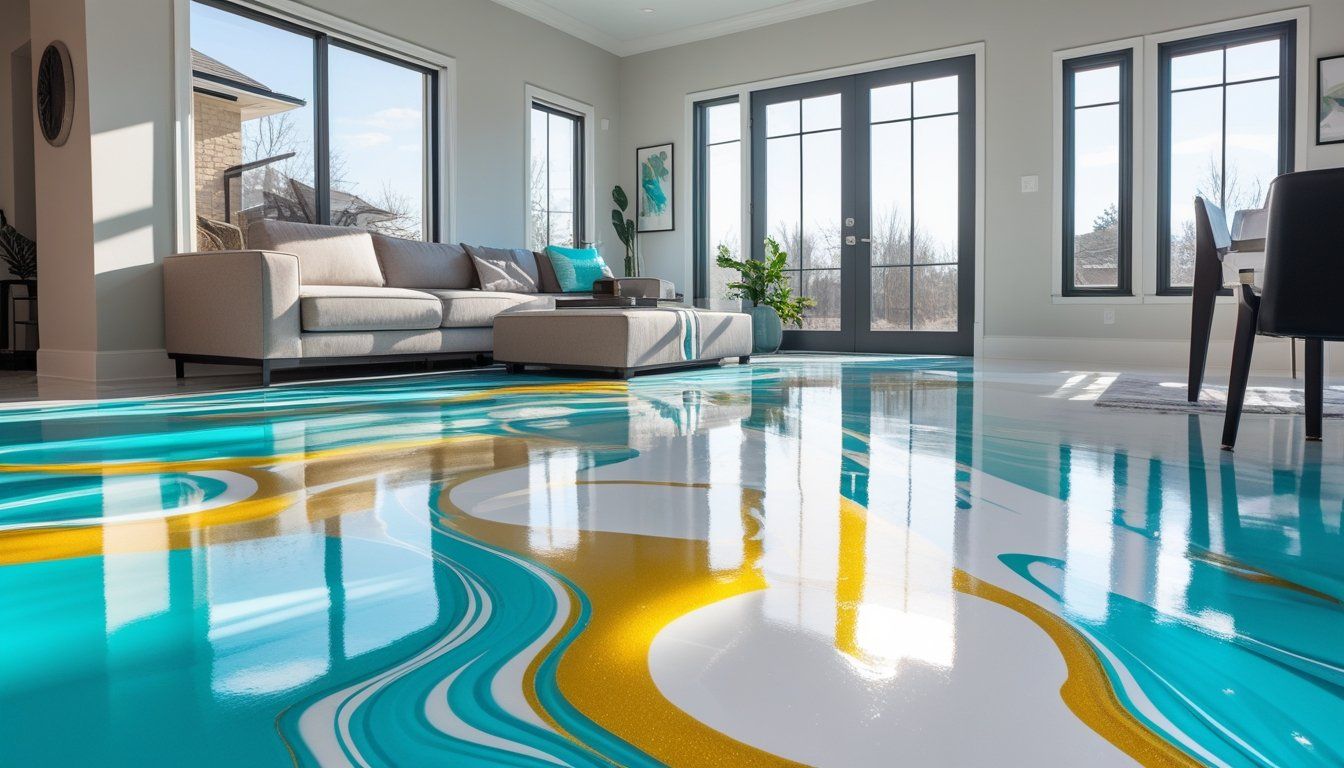
Metallic epoxy floors
mix shiny pigment with resin, creating a 3D, shimmering effect that shifts with the light. It’s a high-end, eye-catching look—great if you want to impress. Flake finishes feature small chips, adding texture and a bit of extra grip for safety.
Flakes are also great for hiding chips and cracks. These finishes work for both homes and businesses, especially when you need something that looks good and can handle some abuse.
Choosing the Right Epoxy Color for Your Garage
Finding the right epoxy color makes your garage both useful and good-looking. Think about how you’ll use the space, what colors are already around, and how the color will look once it’s down. That’ll help you pick something that fits your style and needs.
Matching Epoxy Colors with Garage Uses
Consider how you use your garage. If it’s mostly for parking or storage, darker colors like charcoal or navy help hide dirt and stains. For workspaces or hobby spots, lighter shades like soft gray or beige brighten things up and make it feel cleaner.
If you expect a lot of traffic or spills, picking a color with flakes or a metallic finish can help disguise wear and scratches. For families with kids or pets, anti-slip coatings in medium tones can boost safety while still looking sharp.
Coordinating with Existing Decor
Try to blend your garage floor color with nearby walls, cabinets, and doors. If your walls are neutral, bold colors like deep red or blue can add some personality. Softer tones like cream or taupe pair well with wood or natural finishes.
It’s best to avoid colors that make the garage feel too dark or busy. A smooth, consistent color usually looks cleaner and more put-together. For commercial or industrial garages, sticking to neutral or industrial tones can create a professional vibe.
Visualizing Color Samples
Looking at color samples in your actual garage is a must before you decide. Epoxy colors can look totally different in natural versus artificial light—test samples at different times of day and under different lights.
You can get small samples or test spots applied so you can see how they hold up and what they really look like. Snapping a few photos after the samples dry helps you compare colors easily. It’s a little extra effort, but it saves you from surprises later.
Customizing Your Epoxy Floor Color
Choosing your epoxy color lets you make your garage feel more personal. You can mix colors for a custom shade or add patterns for a floor that really stands out. These tweaks can also make the space safer and help your floor last longer.
Mixing Colors and Custom Blends
Mixing different epoxy colors lets you dial in the exact shade you want. You’re not stuck with just gray or black. Try blending colors for softer hues or go bold with something that matches your style.
You can add flakes or metallic pigments to create depth and texture—these touches help hide dirt and scratches, too. Mixing colors isn’t just about looks. You can use one color for parking and another for work areas, making the space easier to organize and navigate.
Adding Patterns and Designs
Patterns bring some personality to your epoxy floor. You can go with simple stripes or grids, or get creative with logos or custom art. These designs make your garage unique and more fun to use.
Patterns can also boost safety by marking walkways or no-slip zones. Adding texture or anti-slip coatings with your design keeps things safer, especially if you’re working or spending lots of time in the garage.
Application Tips for Epoxy Floor Colors
If you want your epoxy floor color to look great and last, start with good prep and apply the color evenly. These steps help your floor stay strong and keep its color looking fresh.
Preparing the Surface for Optimal Color
Before you put down epoxy, clean and dry the concrete. Get rid of oil stains, dirt, or any old paint. Fill cracks or chips with concrete patch for a smooth base.
Etch the concrete with a mild acid or use a grinder so the epoxy will stick better. This step really matters—skip it, and you might end up with peeling or weird spots. Make sure the floor is totally dry before moving on. Any moisture can cause bubbles or mess up the finish.
Vacuum or sweep up all the dust and debris, but don’t stir up more dust right after cleaning. A spotless, well-prepped floor gives you a brighter, more even finish.
Ensuring Even Color Distribution
When mixing your epoxy resin and pigments, stir thoroughly. If you don’t, you’ll get streaks or patches. A drill mixer on low does the trick without making bubbles.
Apply the epoxy in thin, manageable sections. Use a roller or squeegee
and overlap your strokes a bit to avoid marks or gaps. Work quickly but don’t rush—epoxy sets fast, but you want to keep things even.
If you’re adding flakes or metallic effects, sprinkle them right after you’ve applied the base coat, while it’s still wet. That way, you get a smooth finish and the colors really pop.
It’s usually best to do two or more coats for the strongest, most even color. Let each coat dry completely before adding the next, so you don’t get smudges or lifting.
Long-Term Care for Epoxy Colored Floors
Taking care of your epoxy-colored floor keeps it looking good and helps the color stay bright. A little regular cleaning and maintenance goes a long way—protecting your investment and keeping your floor in great shape for years to come.
Maintaining Color Vibrancy Over Time
If you want your floor’s color to stay sharp, try to keep harsh chemicals and direct sunlight away. Go for a low-VOC, non-abrasive finish if you need extra protection. Sunlight streaming in through windows? That’ll fade colors over time, so UV-blocking window films or shades might help in those bright spots.
Dragging heavy stuff—furniture, tools, whatever—across the floor? That’s a quick way to get scratches and dull patches. You could add a clear topcoat made for epoxy floors, which helps lock in color and stands up to daily wear, especially where people walk the most.
Cleaning and Regular Maintenance
Stick to gentle cleaners and warm water when you clean your epoxy floor. Ammonia and vinegar-based products just eat away at the finish. A soft broom or a microfiber mop will get rid of dust and dirt without leaving scratches behind.
If you run into stubborn spots, try a mild detergent and a soft brush. Rinse well and dry the floor so you don’t end up with a slick surface. Cleaning regularly keeps buildup at bay and helps the floor keep its color. Wipe up spills quickly—epoxy can stain or discolor if messes sit for too long.
Cost Considerations for Colored Epoxy Floors
Budgeting for colored epoxy floors? The costs really depend on a few things. Most folks pay somewhere between $3 and $12 per square foot, depending on materials and labor. For a 200-square-foot garage, you’re looking at a total between $700 and $2,900, give or take.
The color and finish you pick will affect the price. Solid colors are usually cheaper. Want fancy flakes, metallics, or textured finishes? Expect the price to climb, since those take more work and materials.
Here’s what really drives the cost:
- Color quality: Top-shelf pigments or rare shades cost more.
- Floor prep: If your floor has cracks, stains, or is uneven, you’ll pay extra for prep work.
- Design complexity: Custom patterns or detailed designs take more time and skill.
Environmental Impact of Epoxy Floor Coloring
Thinking about the environment? Epoxy coatings use chemicals, so they can give off fumes when you put them down. Good ventilation and professional installers matter to keep things safe.
Once the epoxy cures, though, you get a floor that lasts a long time. You probably won’t need to replace or fix it much, which reduces waste. Compared to floors that wear out quickly, epoxy can actually be a greener pick over time.
Some epoxy products have solvents or volatile organic compounds (VOCs) that aren’t great for air quality if you don’t manage them. Low-VOC or water-based epoxies are available, helping keep your indoor air healthier.
Your choice of color or finish doesn’t really change the environmental impact much. It’s the materials and how the job gets done that matter most. If you want to make a better choice for the environment, ask about low-VOC options and good installation practices.
Bringing Out the Best in Your Garage Space
The right garage floor epoxy color can brighten the room, reduce maintenance, and create a cleaner, more organized feel. Between neutrals, bold tones, and special finishes, you have plenty of options to match your daily needs and personal style.
With Cambridge MA Epoxy Flooring, get finishes that withstand winters, household traffic, and workshop wear.
These finishes also deliver a polished look that you’ll appreciate every day.
Ready to explore color samples or think through what will work best in your space? Reach out today
for a quick consultation and learn how the right epoxy finish can elevate your garage.
Frequently Asked Questions
Picking the right epoxy color can totally change the vibe of your garage. You likely want something that matches your style, hides dirt, and holds up to whatever life throws at it. Here are a few things to help you decide.
How do I choose the best epoxy color for my garage floor?
Think about the light in your garage. Lighter colors can make the space feel bigger, while darker shades hide stains better. Your style matters, too—neutrals are safe if you like simple, but bold colors really show off your personality.
What are some popular metallic epoxy color options for garage floors?
People like silver, bronze, and blue metallics. They’re shiny and really make the floor pop. You can mix metallic flakes into clear epoxy for a custom look that’s all your own.
Can you show examples of how different epoxy floor colors look when applied?
Light gray can brighten up a dark garage. Deep blue or green adds a rich vibe. Metallic finishes? Those shimmer and look polished. If you want to see real-life examples, most installers have samples or photos of past jobs.
Where can I find a variety of epoxy color choices for my concrete floor?
Local suppliers and installers usually have a big range of colors—solids, metallics, flakes, you name it. Visiting a showroom or checking out samples in person makes it easier to pick what you like.
What factors should I consider when selecting a garage floor epoxy color?
Look at durability, ease of cleaning, and safety. Some colors hide dirt and scratches better, so you need less cleaning. If you want a safer surface, ask about anti-slip finishes. It’s also worth matching the floor color with your garage walls and cabinets for a more put-together look.
What trends are currently seen in epoxy floor colors for garages?
Neutral tones—think grays and tans—remain favorites since they go with almost anything. But lately, there’s been a noticeable shift toward metallic finishes and mixes with colorful flakes, which add a bit of personality. More folks are even picking custom shades to match their cars or gear, making the space feel more like their own.
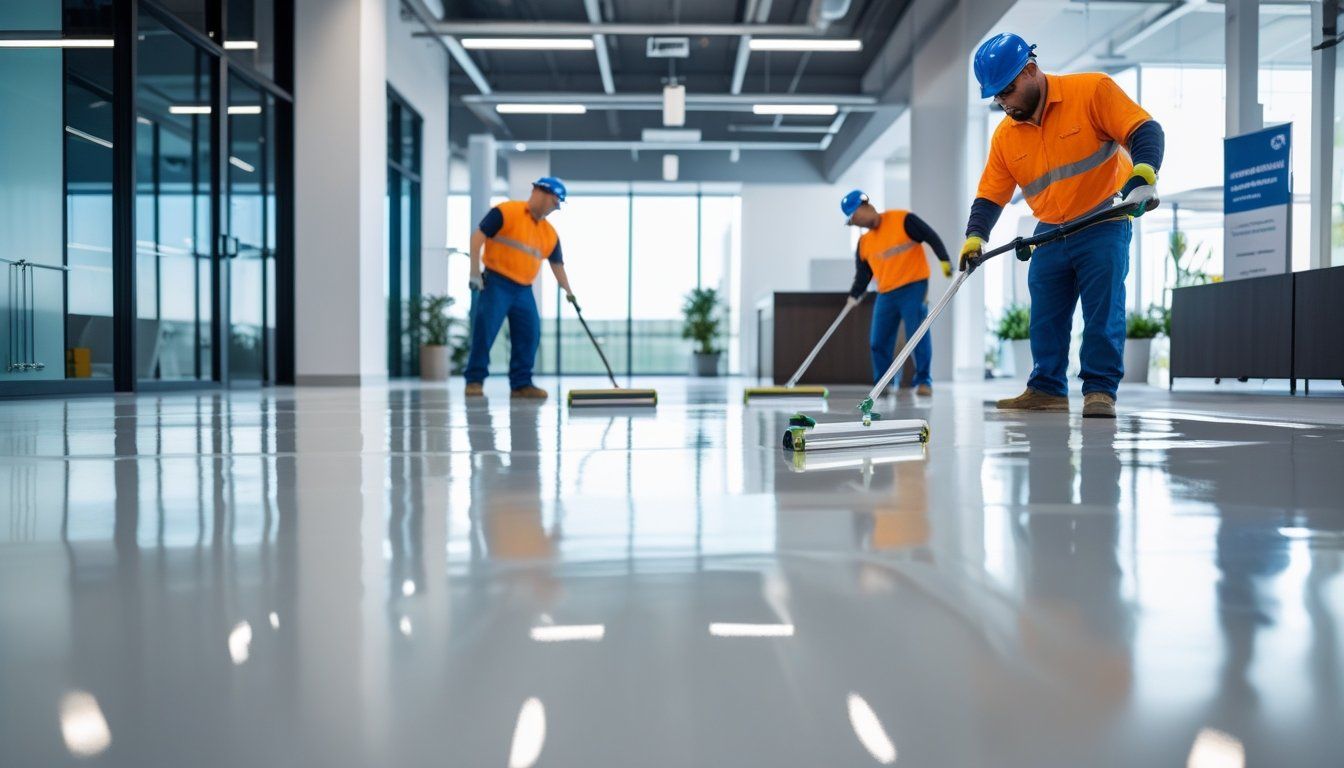
Learn how commercial epoxy flooring installation upgrades business spaces in Cambridge, MA. Explore safety, cost, maintenance, and installation insights.
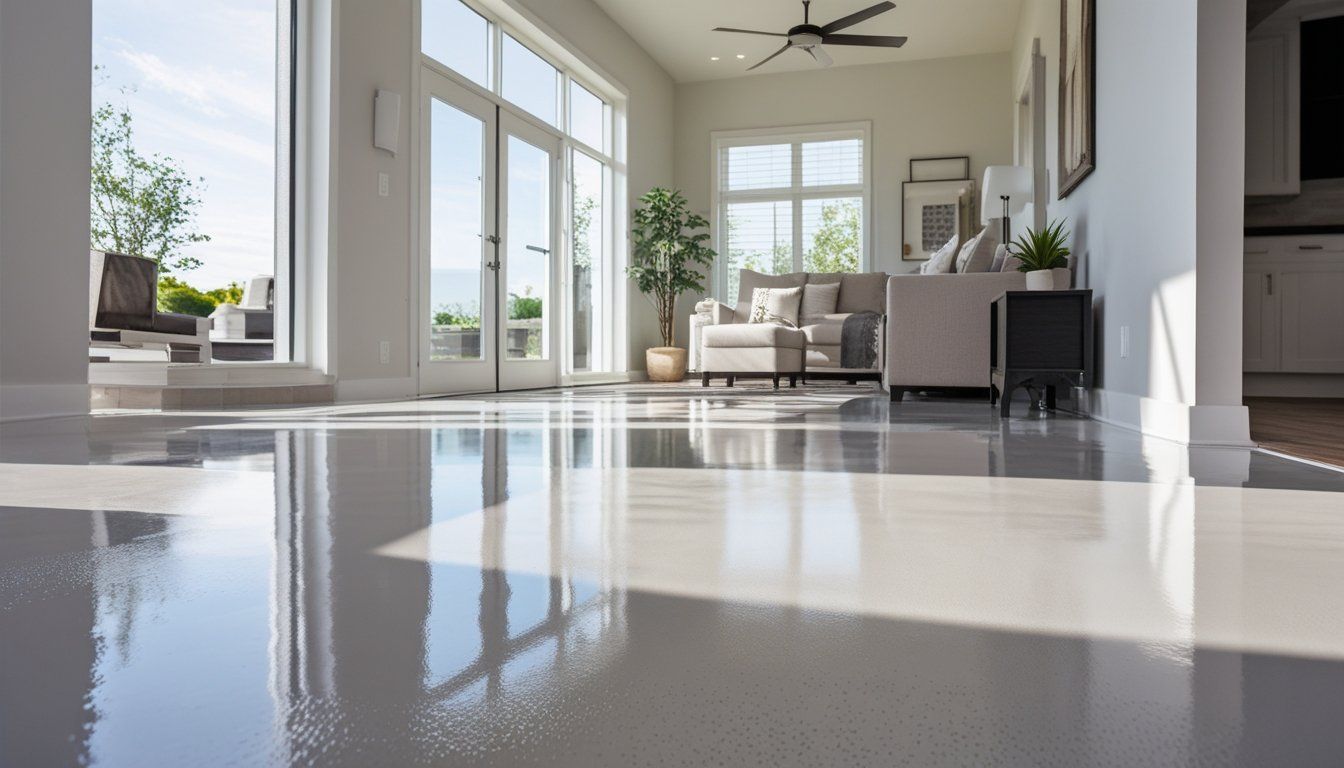
Explore durable residential epoxy flooring services in Cambridge, MA. Learn benefits, finishes, installation steps, and maintenance tips for your home.
Explore durable residential epoxy flooring services in Cambridge, MA. Learn benefits, finishes, installation steps, and maintenance tips for your home.
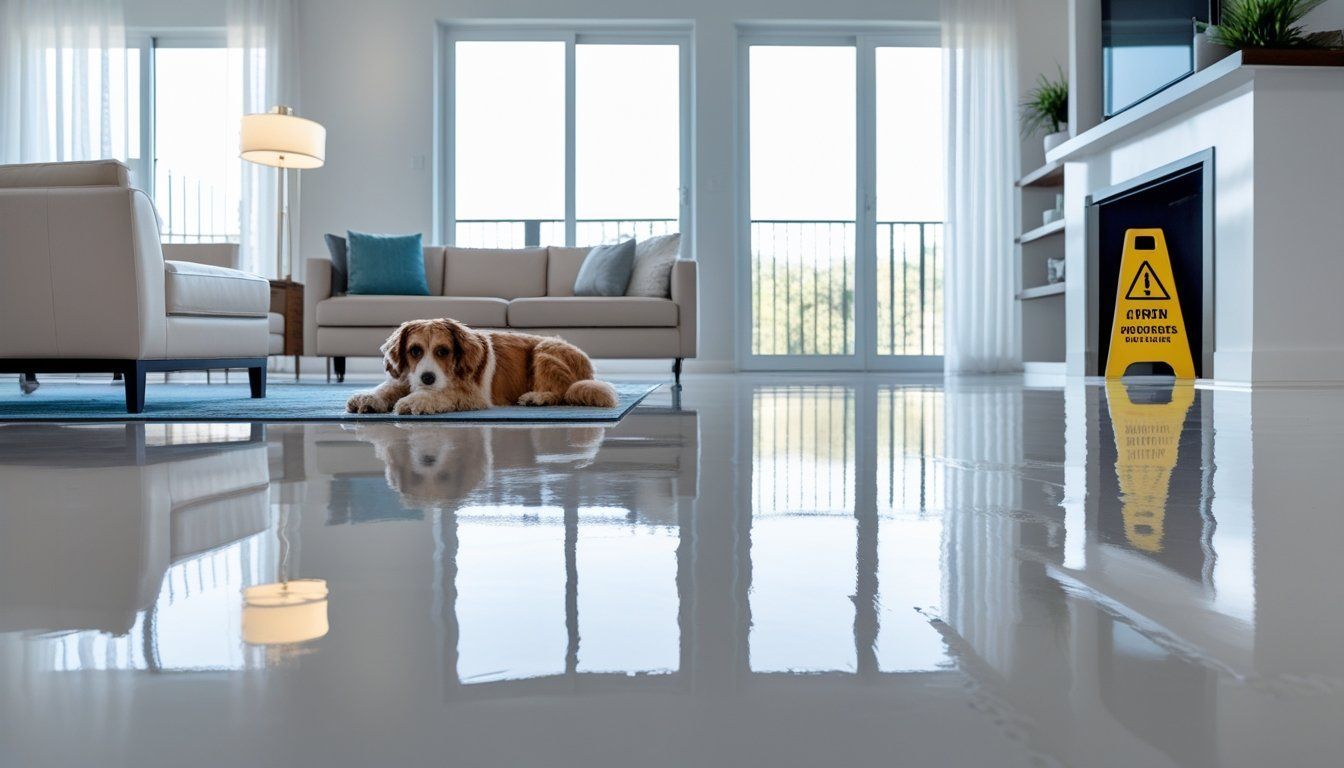
Learn the pros and cons of residential epoxy flooring in Cambridge, MA. Explore durability, safety, costs, installation steps, and maintenance tips.
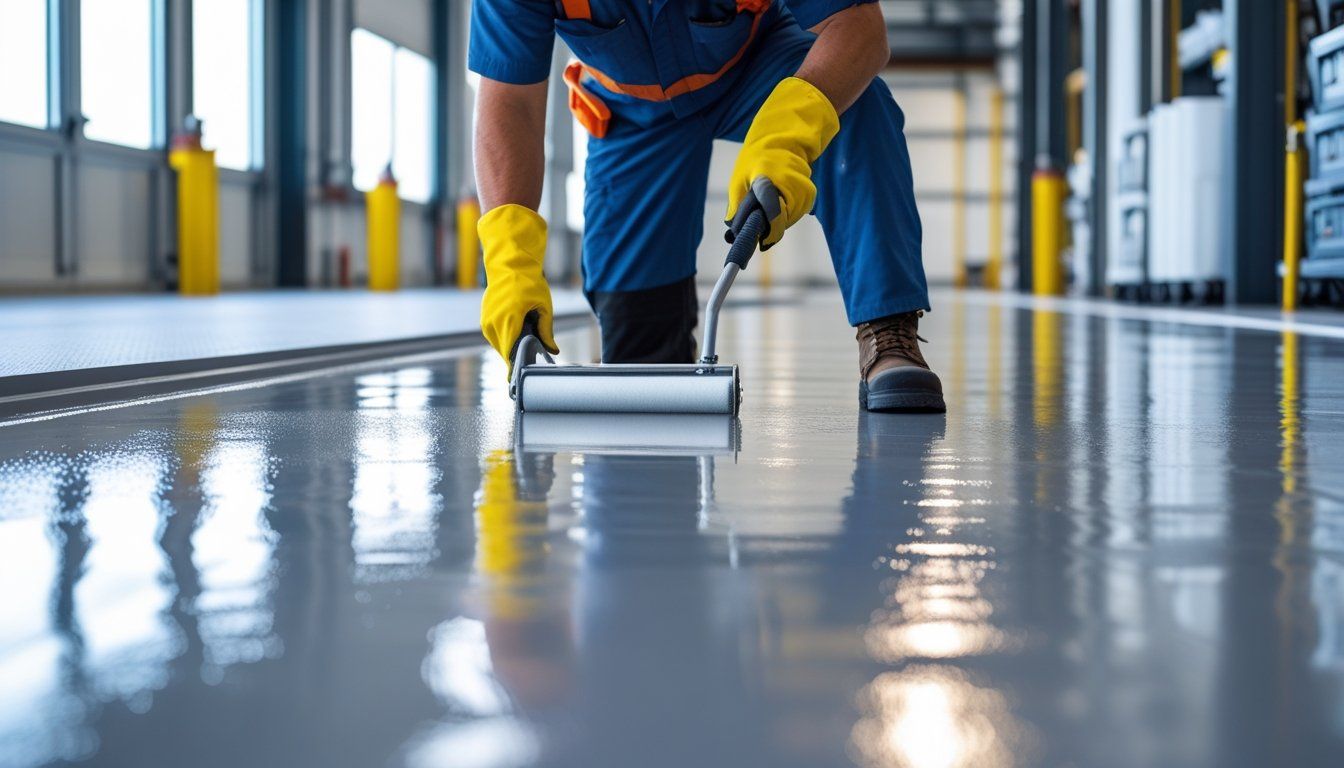
Explore industrial epoxy flooring service in Cambridge, MA. Learn benefits, types, installation steps, safety factors, and maintenance tips for busy facilities.
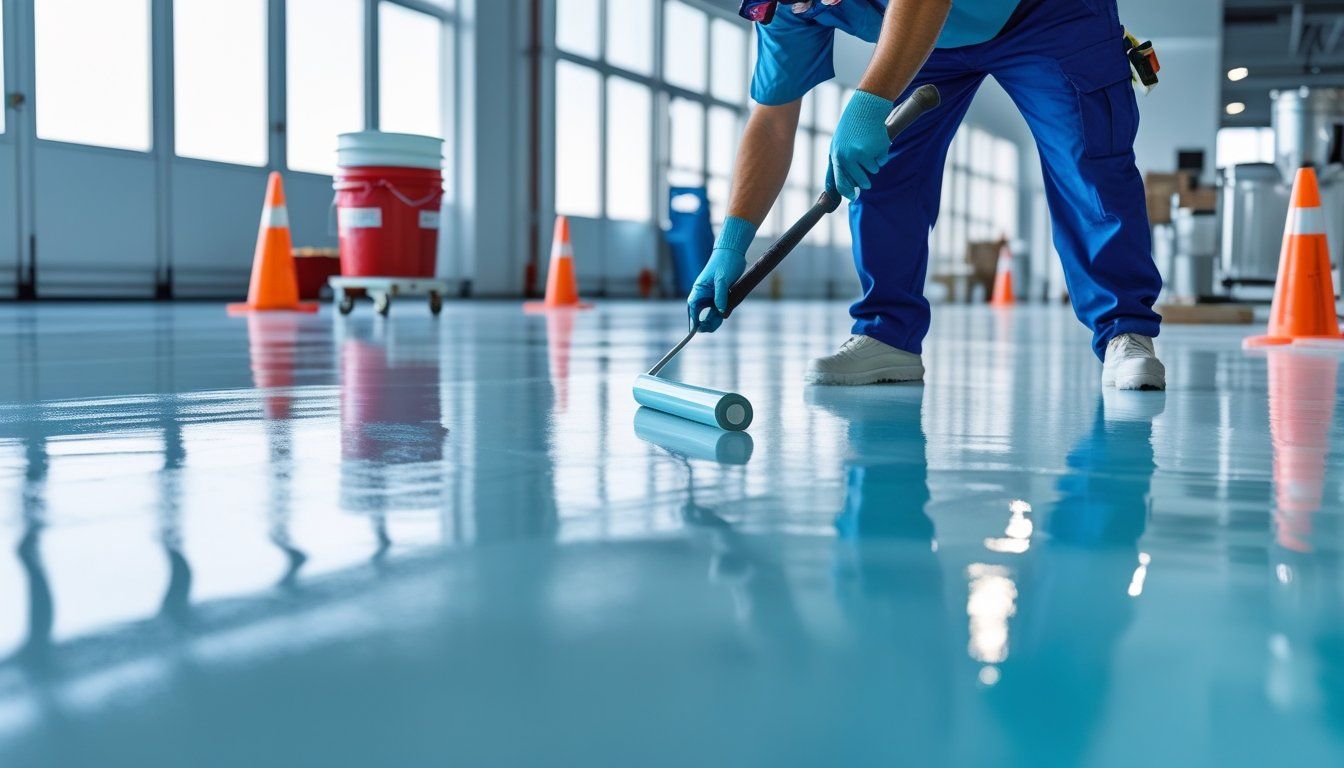
Explore epoxy flooring services in Cambridge, MA. Learn systems, benefits, installation steps, and options for durable residential and commercial spaces.
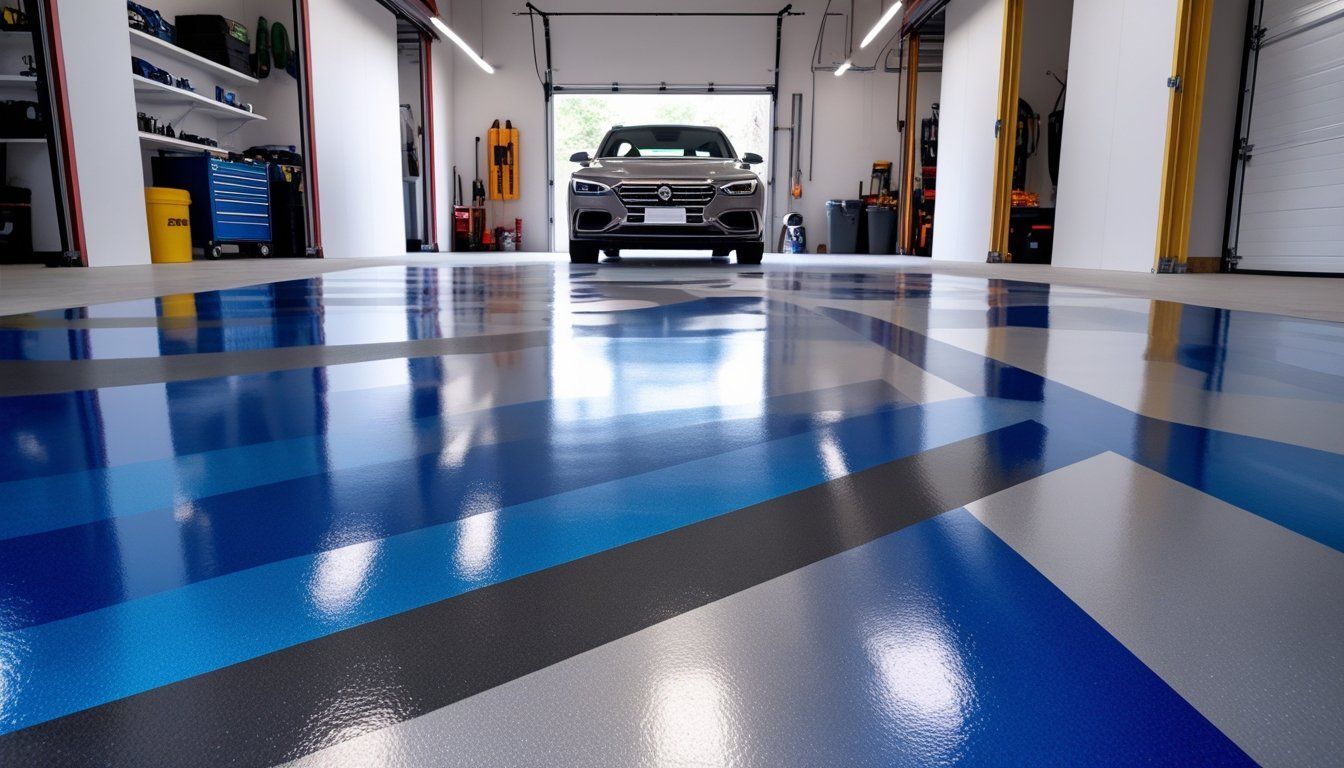
Explore garage epoxy floor colors in Cambridge, MA. Discover design ideas, color trends, finishes, and how lighting and texture impact your choice.
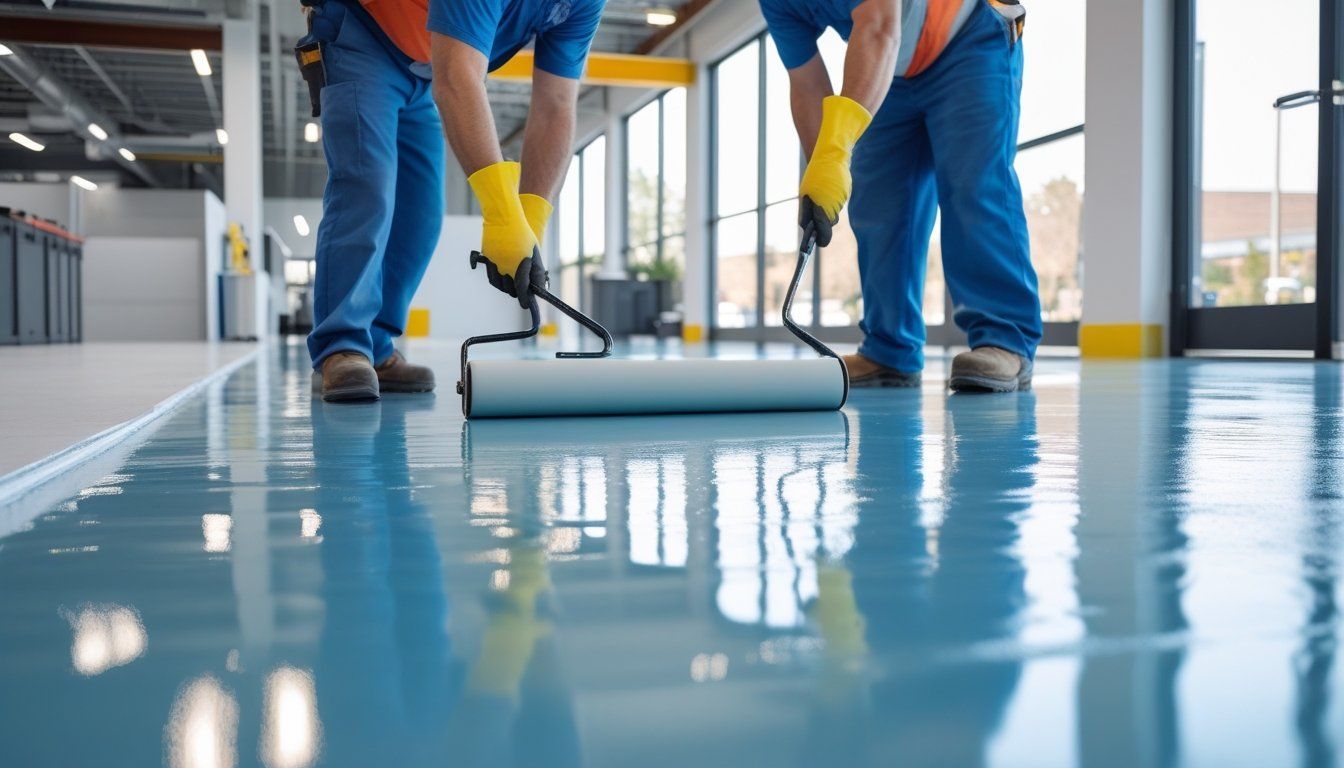
Discover commercial epoxy flooring services that enhance durability, safety, and style for businesses in Cambridge and Greater Boston.
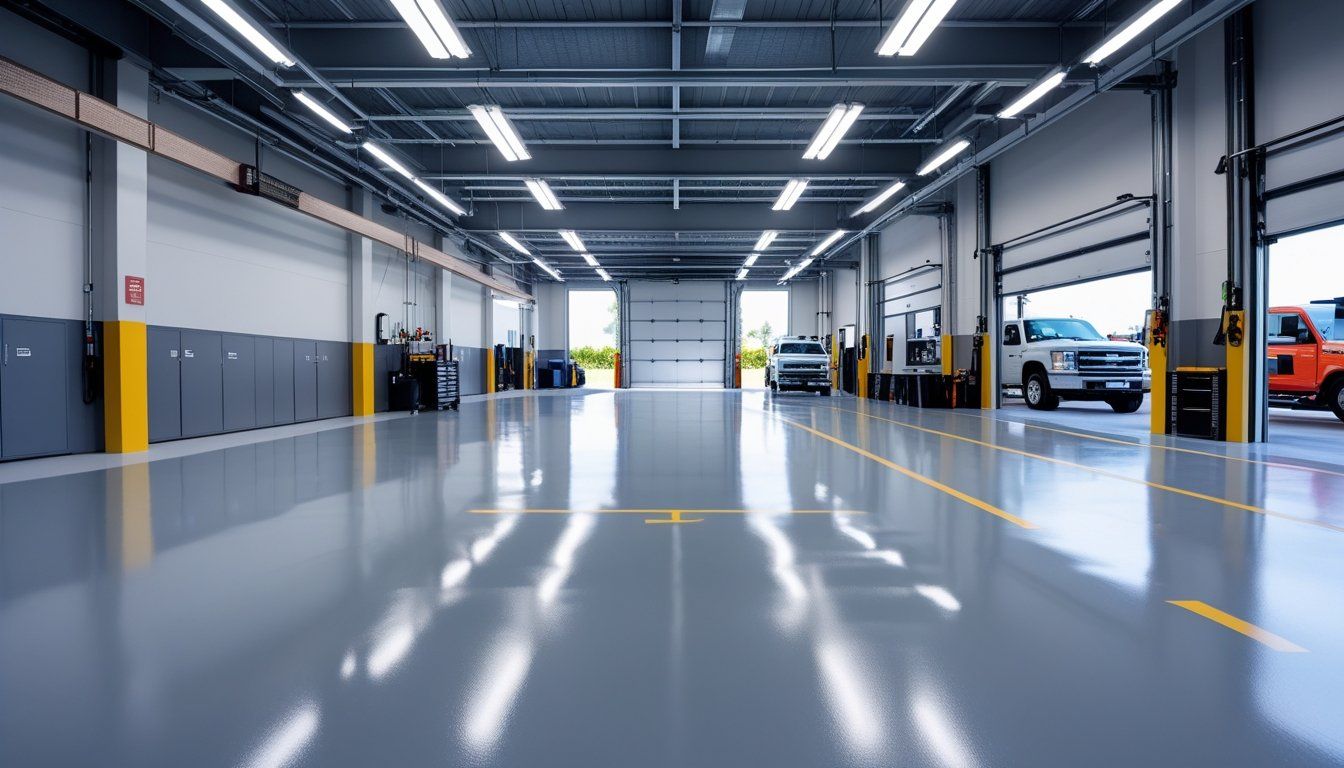
Learn how commercial epoxy garage flooring improves durability, safety, and appearance for businesses across Cambridge and Greater Boston.

Learn the benefits of industrial epoxy flooring in Cambridge MA. Discover cost, durability, safety, and design tips for warehouses, factories, and labs.