Custom Epoxy Flooring Ideas to Brighten Your Home
Daniel McGonagle • November 24, 2025
Residential epoxy flooring in Cambridge, MA gives your home a durable surface that handles daily wear, resists stains, and brings a polished, modern look. It works well in garages, basements, utility rooms, and living areas where durability and easy upkeep matter.
With Cambridge MA Epoxy Flooring, you receive locally informed installation
that strengthens your concrete and enhances safety. It also supports long-term performance throughout Cambridge and Greater Boston homes. Each project considers your layout, lighting, and daily use.
This guide walks you through benefits, finish options, installation steps, maintenance tips, and cost considerations, helping you choose a residential epoxy flooring system that fits your home’s style and lifestyle needs.
What Is Custom Epoxy Flooring?
Custom epoxy flooring is a flexible, strong flooring option designed to fit your specific needs and style. It mixes durable materials with tailored designs and finishes, giving your space a look and feel that’s all your own. From picking colors and textures to choosing the level of protection, you get floors that match exactly what you want.
Epoxy Flooring Basics
Epoxy flooring starts by mixing resin with a hardener. That blend creates a tough, seamless surface that’s a breeze to clean and shrugs off damage. The finished floor handles spills, stains, scratches, and even heavy foot or machine traffic. Since the epoxy bonds tightly with concrete, it covers up existing cracks and stains, too.
Lots of garages, basements, businesses, and warehouses around here use epoxy flooring because it lasts and doesn’t need much maintenance. It’s a practical way to make your space safer and better-looking, without dealing with constant repairs.
Differences Between Standard and Custom Finishes
Standard epoxy floors stick to basic colors and flat finishes. They do the job and look smooth, but they’re not exactly exciting. Custom epoxy floors, though, open up tons of options—multiple colors, different textures, and special effects.
You can match finishes to your décor or brand and add features like anti-slip coatings or extra-thick layers for industrial use. You also get to pick gloss levels, from matte to shiny, depending on your taste. Custom floors just feel more versatile than the standard stuff.
Popular Customization Options
There’s a whole world of ways to make epoxy floors your own. Some favorites:
- Color and patterns: Go for solid colors, mixed blends, or decorative flakes.
- Metallic finishes: Add a bit of shimmer and depth for a modern, eye-catching vibe.
- Textures: Choose anti-slip grit or smooth surfaces, depending on safety needs.
- Design inserts: Put in logos, stripes, or borders for a branded look.
- Topcoats: Pick coatings that resist chemicals, UV light, or heavy wear.
How Epoxy Improves Home Safety
Residential epoxy floors can increase safety by providing a seamless surface that reduces tripping hazards and can be blended with anti-slip additives. This becomes especially helpful in garages, basements, and laundry areas where moisture or spills are more common.
The Centers for Disease Control
highlight how controlled surface friction decreases fall risks in home environments. When you choose a texture that matches your household’s activity level, you create a more predictable, secure surface underfoot.
Benefits of Custom Epoxy Flooring
Custom epoxy flooring brings together strength, style, and safety in a way that works for all sorts of spaces. You get to pick the look and feel you want, plus a floor that lasts and feels solid under your feet.
Durability and Longevity
Epoxy floors are famous for their toughness. They resist scratches, stains, and impacts better than most other flooring options. So, your floor stays looking good and holds up, even when there’s a lot of foot traffic or heavy equipment rolling over it.
Since the epoxy bonds with the concrete below, it helps protect against cracks and other damage, which can save you some cash on repairs later.
Aesthetic Flexibility
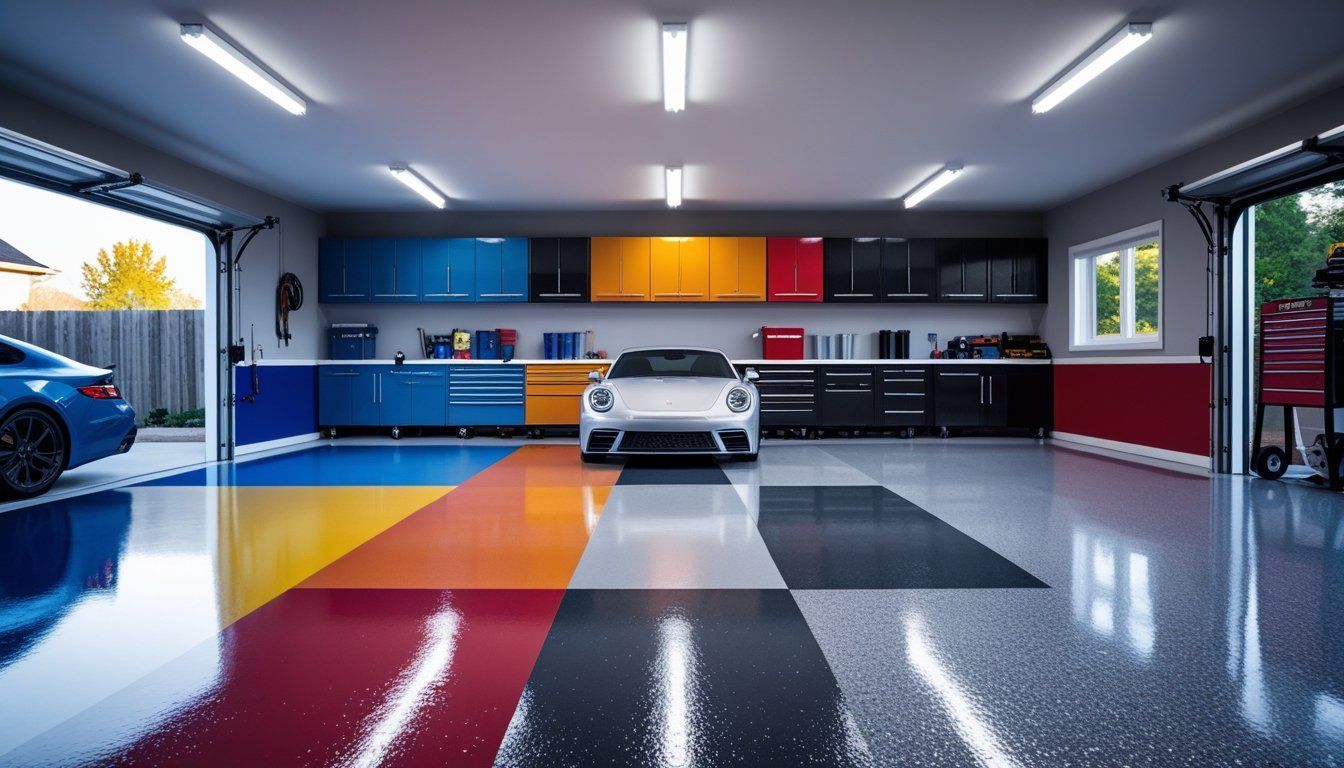
One of the best parts? You’re not stuck with boring gray. There are so many color options, metallic finishes, and decorative flakes that add texture and depth. Want a shiny, smooth finish? Or maybe a matte look? There’s something for every space.
Custom designs can match your brand for commercial spots or add some warmth to a basement or garage. With all these choices, your floor really becomes part of your space’s personality—not just something to walk on.
Enhanced Safety Features
Safety matters, especially in busy or damp areas. You can add anti-slip additives to your custom epoxy floor, which lowers the risk of slipping and keeps things safer for everyone.
These floors also shrug off chemicals and spills, so the surface stays stable and less likely to turn into a hazard.
If you run a business or industrial site, you can even use different epoxy colors or textures to mark zones, guide traffic, and help keep workers safe. That kind of detail can make a real difference in day-to-day safety.
Types of Custom Epoxy Flooring
You’ve got quite a few choices when it comes to custom epoxy flooring, each with its own look and benefits. The right pick can boost durability, safety, and style to fit your space perfectly.
Metallic Epoxy Designs
Metallic epoxy floors create a flowing, shiny effect by mixing metallic pigments into the epoxy. The result? A rich, dynamic look—sometimes it even looks like marble or liquid metal.
These floors bounce light around, so darker spaces like basements or garages feel brighter. They’re tough against stains and scratches, too, which makes them a smart pick for busy homes or businesses.
Installing these takes a bit of artistry to swirl the pigments just right, so each floor ends up unique.
Flake and Quartz Systems
Flake and quartz epoxy floors add texture and color using small chips or granules. You broadcast these flakes or quartz pieces onto the wet epoxy, then seal everything with a clear topcoat.
This system boosts slip resistance—great for wet or oily spots like garages, workshops, or commercial kitchens. Flakes come in different colors and sizes, so you can match your style or branding.
Quartz systems are extra tough and resist chemicals, which makes them a favorite for industrial spaces. You get a floor that’s both good-looking and practical for everyday use.
Solid Color Epoxy Options
Solid color epoxy flooring gives you a clean, uniform look—just one bold shade or a soft tone across the whole floor. It’s a classic choice if you want something simple, strong, and easy to keep tidy.
Pick from lots of colors, from bright to neutral, so your floor fits right in with your décor. These floors are easy to clean, don’t stain easily, and hide minor flaws in your concrete. They’re a solid fit for garages, basements, offices, and retail spaces.
Textured Finishes
Textured epoxy floors add grip and cut down on slips, all while staying tough. You get these finishes by mixing in things like sand, rubber, or special aggregates to create a non-slip surface.
They’re ideal for places where safety comes first—think commercial kitchens, gyms, or outdoor patios that deal with water or ice. The texture also helps mask scratches and dirt.
You end up with a floor that’s both safe and durable, with texture options ranging from fine to rough. It keeps your floors looking good and handling harsh conditions.
Design and Color Choices
When you’re picking custom epoxy flooring, you want choices that fit your style and how you use your space. You can go for patterns that stand out, colors that match your décor, or add logos and graphics to make the floor truly yours. These choices make your floor both sharp-looking and practical.
Custom Patterns
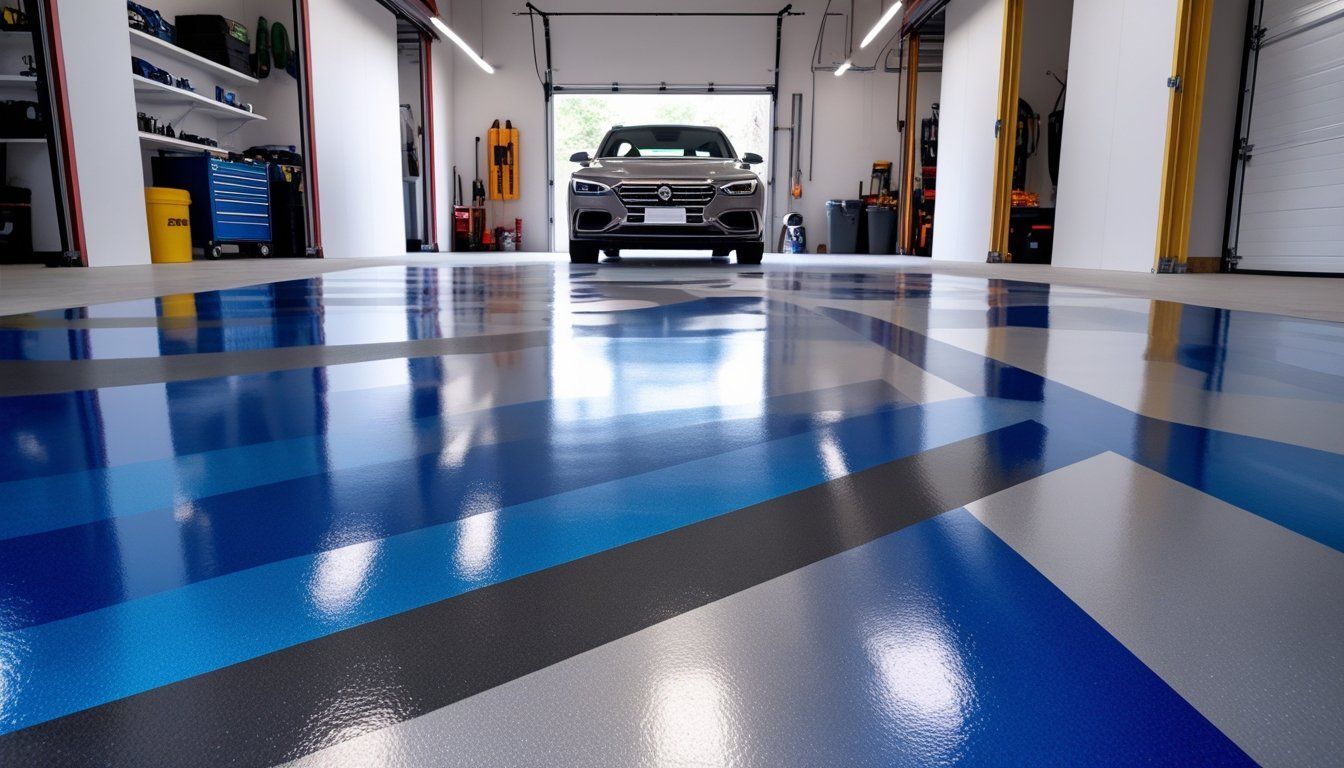
Custom patterns let you create floors that either pop or blend in—whatever you’re after. You can choose from chips, flakes, metallic finishes, or textured looks. These patterns add some depth and help hide dirt and scratches, too.
If you want a sleek look in your garage or commercial space, stick with simple, clean patterns like fine flakes or smooth metallics. For more energy, go with bigger chips or multi-color blends for extra texture.
Patterns aren’t just for looks—they can also make your floor safer by adding grip.
Color Selection Tips
Picking the right color really pulls a space together. Light colors brighten up dark rooms, while darker shades hide stains a bit better. Neutral tones like gray or beige work almost anywhere.
Think about how much traffic the floor gets. Busy areas might call for medium tones that hide dirt but still look clean. You could also mix colors to create borders or zones for different uses.
Safety matters, too. Contrasting colors on edges or steps can help prevent slips.
Incorporating Logos and Graphics
Adding logos or graphics to your epoxy floor gives it a custom, professional touch. Offices, gyms, and retail spaces can show off their brand right on the floor.
Logos can be simple or detailed, placed in the middle or at entryways to greet visitors. You can even use graphics for shapes or signage—arrows, floor markers, whatever helps organize the space.
Using quality materials keeps your logo looking sharp, even with lots of foot traffic and cleaning. Local contractors can help you figure out the best size, placement, and design so your floor looks great and holds up over time.
Applications for Custom Epoxy Flooring
Custom epoxy flooring works in all sorts of spaces because it’s strong, easy to clean, and looks good. Whether you want a polished finish at home or something tough for a busy workplace, epoxy floors can be tailored to fit your needs.
Residential Spaces
At home, epoxy flooring shines in garages, basements, patios, and workshops. It covers up cracked or stained concrete, turning it into a smooth, glossy surface. This flooring shrugs off spills, stains, and daily wear, so cleanup is fast and easy.
You can pick colors, textures, and finishes to match your style. Anti-slip coatings keep your family safer, especially in areas that might get wet or greasy.
Commercial and Retail Settings
For your business, epoxy floors give a sharp, professional look and handle heavy foot traffic with ease. Offices, gyms, retail stores, restaurants, and showrooms all get the benefit of floors that stay polished and clean, even after years of use.
Epoxy resists stains and spills from food, drinks, and cleaning chemicals, and it’s a breeze to maintain. You can customize the design and color to match your brand or vibe. Want extra safety? Anti-slip surfaces help keep employees and customers on their feet.
Industrial Environments
If you run a warehouse, factory, or lab, you need flooring that stands up to heavy machinery, chemicals, and constant use. Industrial epoxy floors are built tough for these conditions.
The coating shields concrete from cracks, wear, and spills. It adds anti-slip properties and makes cleanup simple. These floors help keep your workspace safer and more efficient, especially when you’re dealing with heavy-duty equipment.
Installation Process Overview
Installing custom epoxy flooring takes a steady hand and some patience. You’ve got to prep the surface, apply the epoxy just right, and let it cure for a flawless finish.
Surface Preparation Steps
Your floor has to be clean and smooth before you even think about epoxy. First, strip off any old coatings, grease, dirt, and stains. Sometimes, you’ll need to grind or shot blast the concrete to open up the pores so the epoxy sticks better.
Fill and level any cracks or holes to get a flat surface. Do a moisture test to make sure no water’s sneaking up through the concrete—trapped moisture can cause peeling, and nobody wants that.
Proper prep is everything. Make sure the floor’s dry and rough enough for the epoxy to grip, or you’ll risk bubbles and peeling later on.
Epoxy Application Techniques
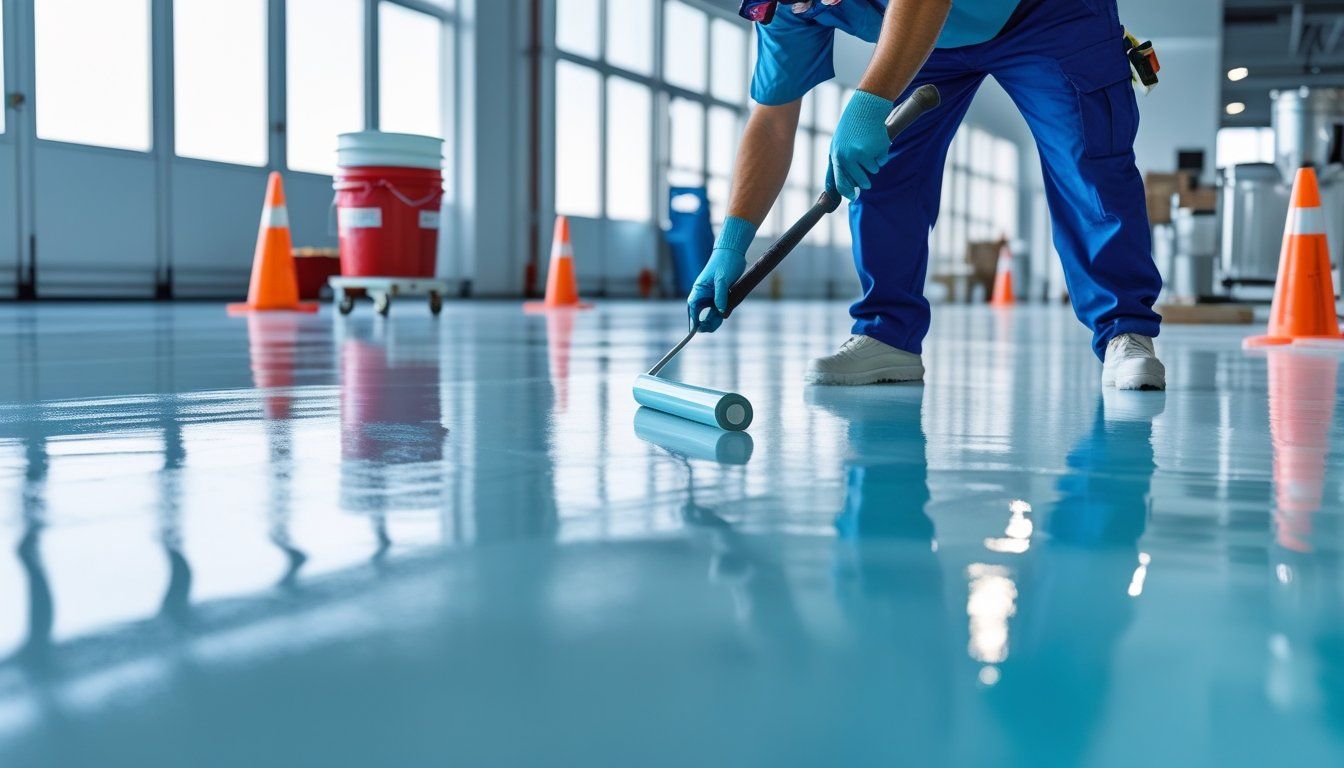
Applying epoxy isn’t just splashing stuff around. You mix the resin and hardener in exact ratios, and you really have to mix it well or you’ll end up with streaks or soft spots.
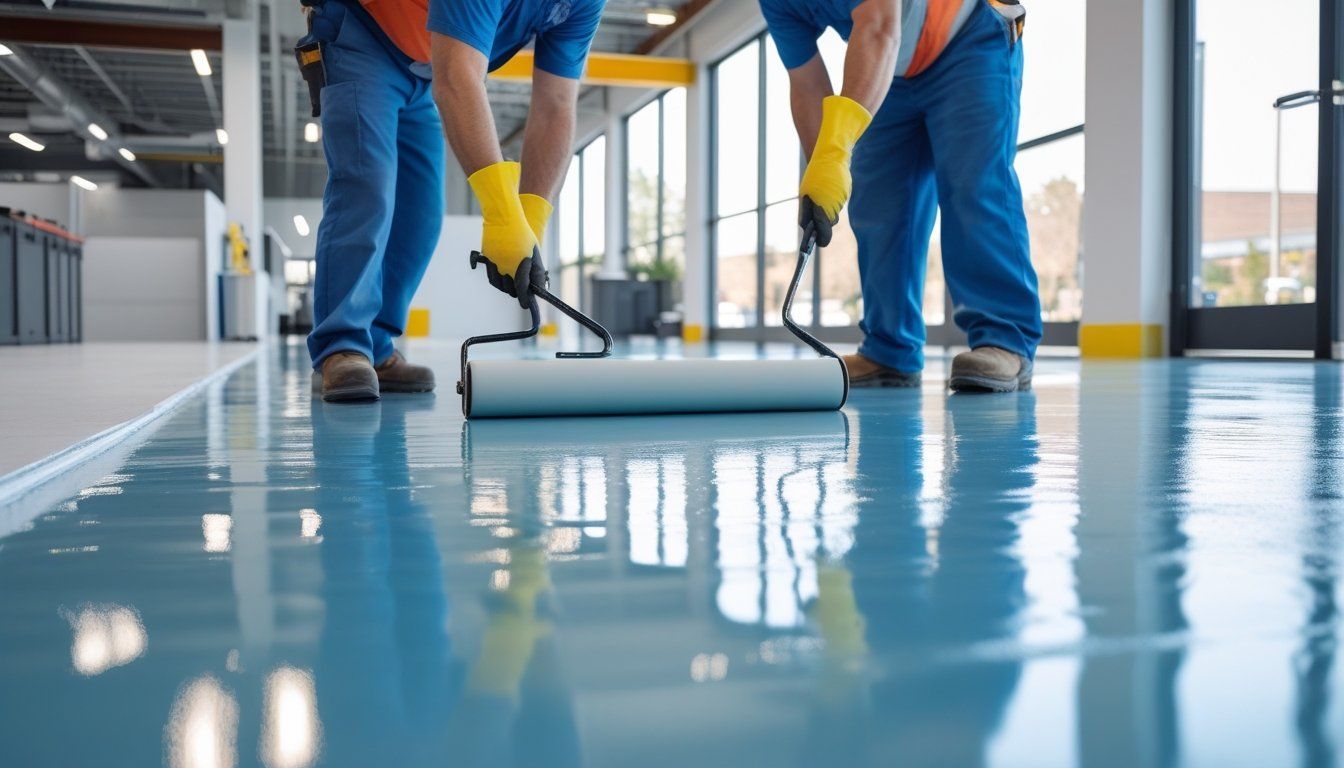
Pour the epoxy and spread it out evenly with rollers or squeegees. If you want a custom look, toss in some color flakes or metallic pigments while it’s still wet.
Depending on your design and how tough you need it, you might lay down multiple coats. Each layer has to be even, or you’ll see imperfections. Skilled installers work fast, since epoxy sets up pretty quickly.
Curing and Finishing Methods
After you apply the epoxy, let it cure. This usually takes about 24 to 72 hours. The curing process is what makes the floor hard, tough, and resistant to chemicals or wear.
While it’s curing, keep the floor dry and free from traffic. Monitor the temperature and humidity so you don’t end up with bubbles or other weird problems.
Once it’s cured, you can add a clear topcoat for extra shine, slip resistance, or protection. That last layer makes cleaning easier and helps the floor last even longer.
Maintenance and Care Tips
Taking care of your custom epoxy floor isn’t hard, but it does keep it looking sharp for years. Regular cleaning, a little protection, and some long-term planning go a long way.
Routine Cleaning Practices
Sweep or dust mop your epoxy floor every day to get rid of dirt and grit—those can scratch the surface. Use a soft broom or microfiber dust mop so you don’t leave marks.
For a deeper clean, mop with warm water and a gentle detergent. Skip harsh chemicals like ammonia or bleach, since those can dull the finish. Always rinse with clean water to get rid of any soap residue.
Wipe up spills right away, especially oil, grease, or chemicals. A soft cloth or paper towel usually does the trick.
Preventing Damage
Throw mats or rugs at entryways to catch dirt and moisture before it hits your floor. Stick felt pads under furniture legs to avoid scratches or dents.
Don’t drag heavy stuff across the floor—lift it or use sliders. If you’ve got heavy machinery, ask about protective coatings that can handle the weight.
Try to limit direct sunlight, since UV rays can cause some discoloration over time. Close blinds or use window films in bright rooms if you can.
Long-Term Floor Care
Check your floor now and then for small cracks or chips. Catching those early can save you headaches later.
Don’t bother with waxing or polishing—epoxy floors are made to stay smooth on their own. If the shine starts to fade, a professional can re-coat it and bring back the gloss.
Keep the floor safe from big impacts or sudden temperature swings. That’ll help it last and keep looking fresh.
Choosing a Custom Epoxy Flooring Professional
Picking the right pro makes all the difference. You want someone who understands your space, listens to what you need, and delivers solid work. Here’s what to keep in mind before you hire anyone.
Criteria for Selecting Contractors
Go with contractors who have real experience installing custom epoxy flooring. They should offer lots of colors, textures, and finishes, so your floor fits your style. Make sure they can do anti-slip coatings and use materials that actually hold up to traffic and spills.
Ask about their knowledge of local conditions. A company that knows the area will understand things like climate and building codes better. Also, check that they’re up front about pricing—no one likes hidden fees. Good contractors explain costs and keep communication clear.
What to Expect During Consultation
During your consultation, you’ll talk about your floor’s size, condition, and your design ideas. Be ready to discuss how you use the space and what kind of durability you’re after. The contractor should suggest options that fit your lifestyle or business needs.
They might show you samples or photos of past work to help you picture the result. Ask about timelines, prep steps, and maintenance tips. A real pro will walk you through everything before starting.
Reviewing Previous Projects
Checking out a contractor’s past projects is honestly one of the best ways to know what you’re getting. Look for photos or, if possible, visit a site to see how the floor looks and holds up over time. Pay attention to cleanliness, evenness, and details in the installation.
Read customer reviews or ask for references. The best feedback usually mentions prompt service, quality materials, and respectful installers.
Cost Considerations for Custom Epoxy Flooring
When you’re planning a custom epoxy floor, a few things will shape the final price. Understanding what affects the cost, how to budget, and why it’s smart to compare quotes can help you avoid surprises.
Factors Affecting Price
The epoxy type you pick makes a difference. Basic clear epoxy costs less, while decorative options like metallic finishes or colored flakes bump up the price. If your floor has cracks, stains, or uneven spots, you’ll need repairs before installation, which adds to the bill.
The size and thickness of the area matter too—bigger spaces need more material and labor. Features like anti-slip textures or extra protective layers also add cost but improve safety and durability. Labor rates vary by location and installer experience, so working with someone local who knows the area can help.
Estimating Your Project Budget
Measure your floor in square feet, then multiply by the average cost per square foot (in Cambridge, it’s usually $3 to $12, depending on materials and complexity).
Remember to budget for surface prep—cleaning, patching, maybe even priming. Prep work can run 10-25% of your total. Rush jobs or off-hours installations might cost more, so keep that in mind.
Comparing Quotes
When you get quotes, check what’s included: material quality, prep work, labor warranty, and cleanup. A low price might mean they’re cutting corners, which can shorten your floor’s life.
Ask local installers about their experience, certifications, and customer reviews. Trustworthy companies explain their pricing and what you’re paying for.
Latest Trends in Custom Epoxy Flooring
If you’re upgrading your floors with epoxy, you probably want something that looks good, lasts, and adds value. The latest trends bring in better materials and smart features that make your floor safer and easier to care for.
Eco-Friendly Materials
More people are going for eco-friendly epoxy. These use low-VOC (volatile organic compounds) materials, so you don’t have to worry about nasty fumes during or after installation. That’s a real plus if you’ve got kids, pets, or employees around.
Some of these eco-friendly epoxies even come from renewable or recycled sources. You still get a tough, long-lasting finish but with less impact on the environment. Choosing these helps keep your space healthier and supports sustainability.
These floors are also easy to clean and resist stains and wear just as well as the traditional stuff.
Smart Flooring Features
Smart epoxy floors are catching on. Think anti-slip coatings, UV-resistant finishes to keep your floors looking sharp, and even color-changing properties that react to temperature or light—pretty cool for both style and safety.
Some new floors have embedded sensors that spot moisture or heavy machinery damage. That way, you can catch problems early and avoid major repairs.
If you want a modern look with extra safety and durability, smart epoxy floors are a solid choice for garages, offices, or warehouses.
A Home Upgrade Built for Style and Everyday Living
Epoxy flooring brings strong protection, easy cleaning, and customizable finishes that adapt to garages, basements, patios, and living spaces. It gives your home a durable surface that stays sharp through daily activity.
With Cambridge MA Epoxy Flooring, you get reliable installation grounded in local knowledge and materials.
These are designed to suit the way families across Cambridge and Greater Boston use their homes. That partnership leads to long-lasting surfaces you can count on.
If you’re thinking about upgrading, now’s a great time to compare finishes and explore color options. Call now to request
a tailored quote to see how epoxy can enhance your space.
Frequently Asked Questions
Custom epoxy flooring brings a mix of style, durability, and pretty simple upkeep. Here, we'll tackle some of the questions people usually ask—stuff about pricing, how to find someone who actually knows what they're doing, what separates standard kits from custom jobs, and whether epoxy really holds up in garages and other places.
What is the average cost per square foot for installing custom epoxy flooring?
Expect to pay somewhere between $3 and $12 per square foot. The price swings a lot depending on the quality of the materials, how fancy you want the design, and how big the area is. If you want special effects or a custom finish, you'll pay more than for the basic stuff.
How do I find professional installers for custom epoxy flooring in my area?
Try searching for local companies with solid reviews and a track record in custom epoxy floors. Ask to see what they've done before and get a clear price quote before you sign anything.
What are the differences between a standard epoxy floor kit and a custom one?
Standard kits usually come with basic colors and textures—think DIY projects. Custom epoxy floors open up a lot more options, like metallic looks, flakes, or anti-slip finishes. With custom jobs, you get better materials and professional installation, so the results usually last longer and look sharper.
Can custom epoxy flooring be used in residential garages, and what are its benefits?
Definitely, epoxy flooring works well in garages. It shields concrete from stains, cracks, and heavy use. It also makes cleaning up a breeze and gives your garage a finished look. With anti-slip features, you can keep things safer for everyone at home.
Is epoxy flooring more affordable than traditional tiling for my home or business space?
Epoxy often ends up being more budget-friendly when you factor in how tough it is and how little you have to maintain it. Tile might cost less at first, but repairs and cleaning can add up later. Epoxy floors usually stick around longer and shrug off moisture, stains, and heavy foot traffic.
What maintenance is required to keep custom epoxy flooring in top condition?
Maintenance is pretty straightforward. Just sweep regularly, and every now and then, mop with a bit of mild soap to keep things tidy.
It's best to skip harsh chemicals and stay away from abrasive tools—they can really mess up the finish. Now and then, having a pro reseal the floor (maybe every few years) helps it last longer, though not everyone bothers with that.
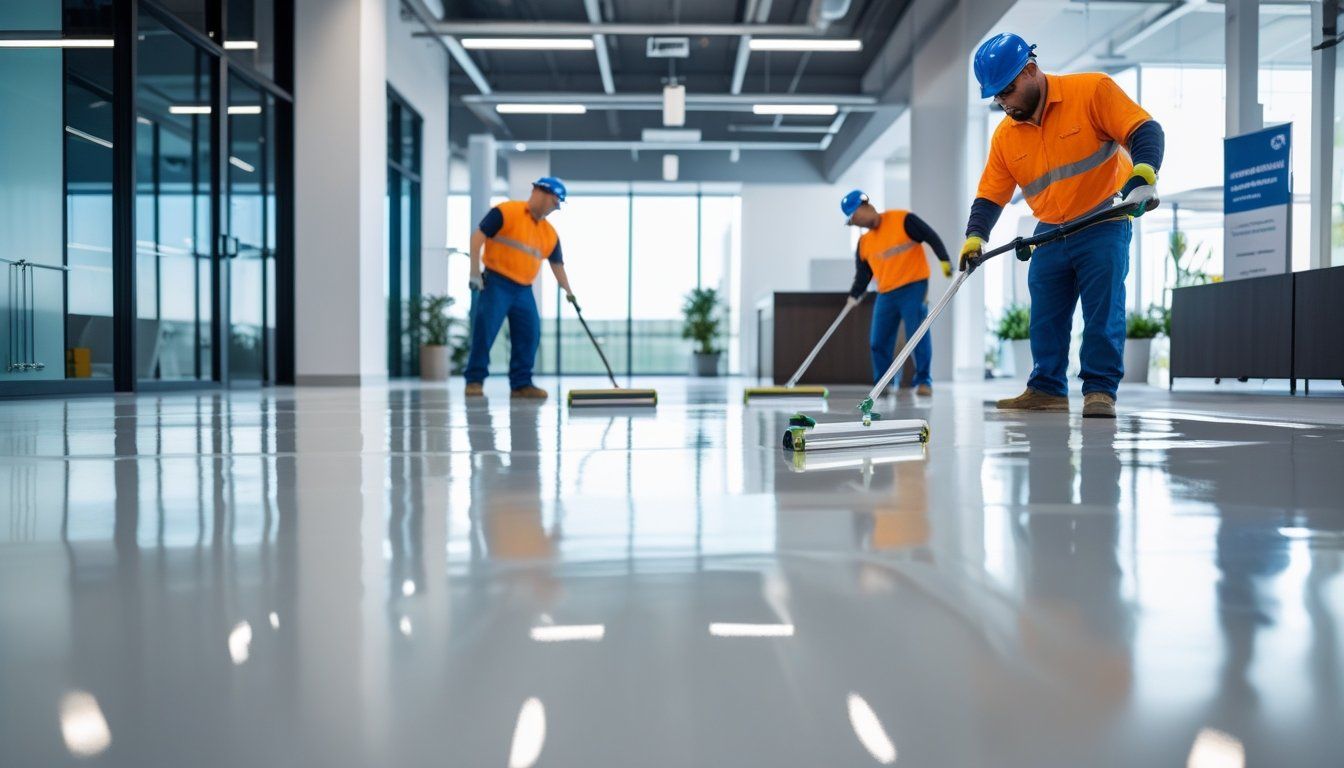
Learn how commercial epoxy flooring installation upgrades business spaces in Cambridge, MA. Explore safety, cost, maintenance, and installation insights.
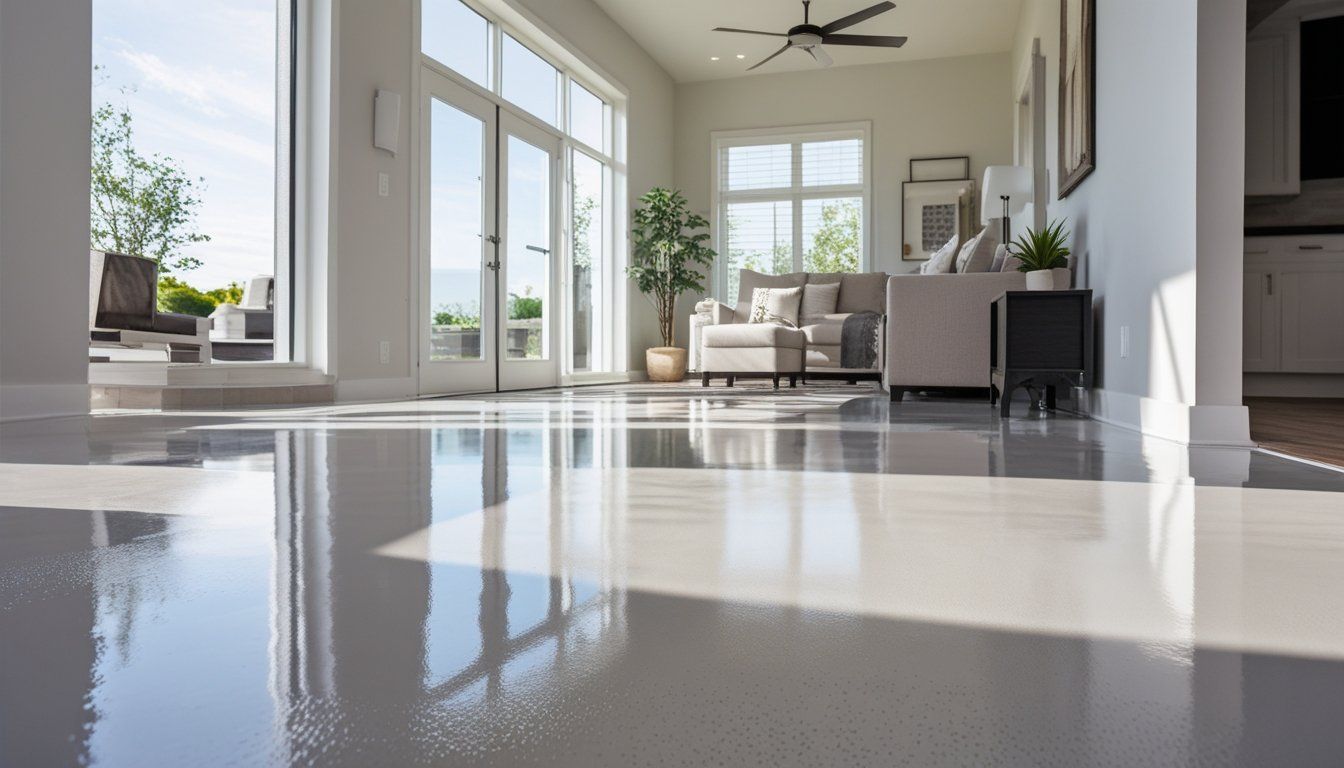
Explore durable residential epoxy flooring services in Cambridge, MA. Learn benefits, finishes, installation steps, and maintenance tips for your home.
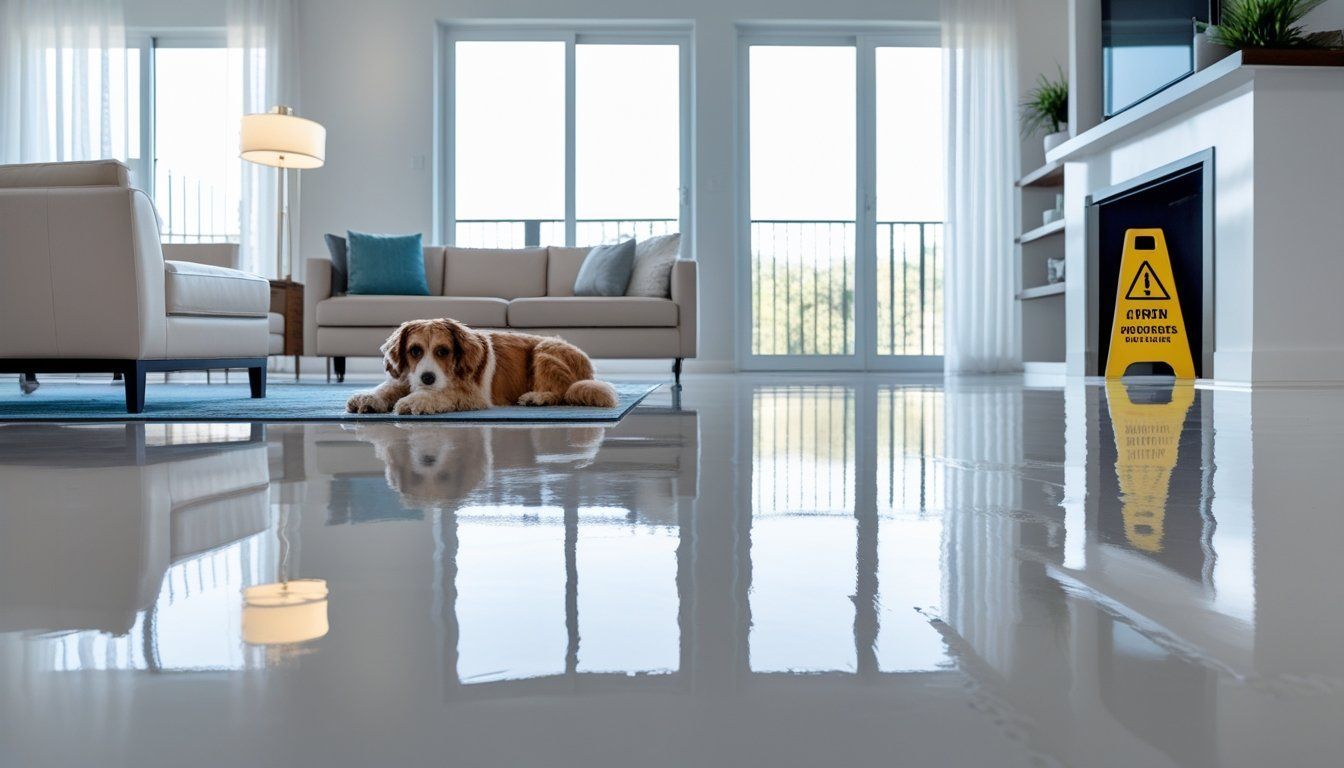
Learn the pros and cons of residential epoxy flooring in Cambridge, MA. Explore durability, safety, costs, installation steps, and maintenance tips.
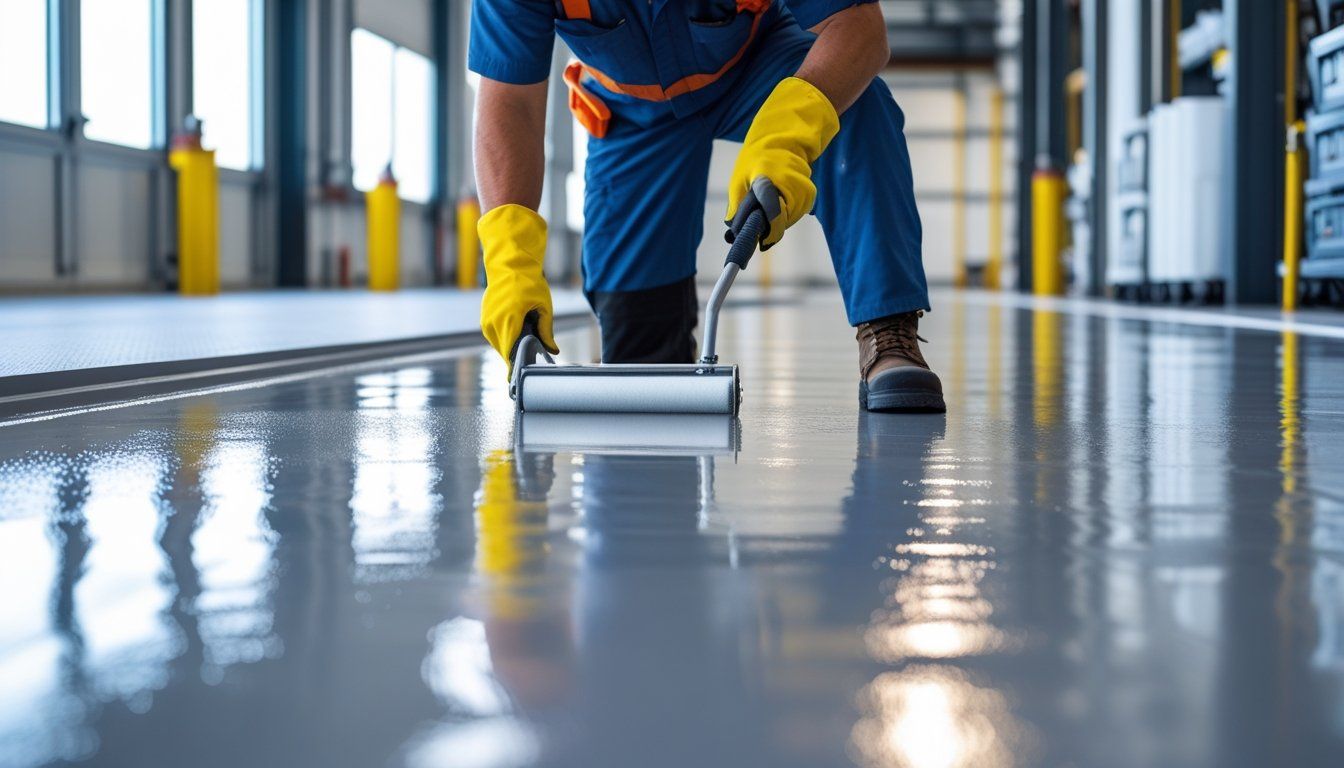
Explore industrial epoxy flooring service in Cambridge, MA. Learn benefits, types, installation steps, safety factors, and maintenance tips for busy facilities.
Explore epoxy flooring services in Cambridge, MA. Learn systems, benefits, installation steps, and options for durable residential and commercial spaces.
Explore garage epoxy floor colors in Cambridge, MA. Discover design ideas, color trends, finishes, and how lighting and texture impact your choice.
Explore garage floor epoxy colors, finishes, and safety benefits for Cambridge homes. Learn how to choose shades that brighten, protect, and perform.
Discover commercial epoxy flooring services that enhance durability, safety, and style for businesses in Cambridge and Greater Boston.
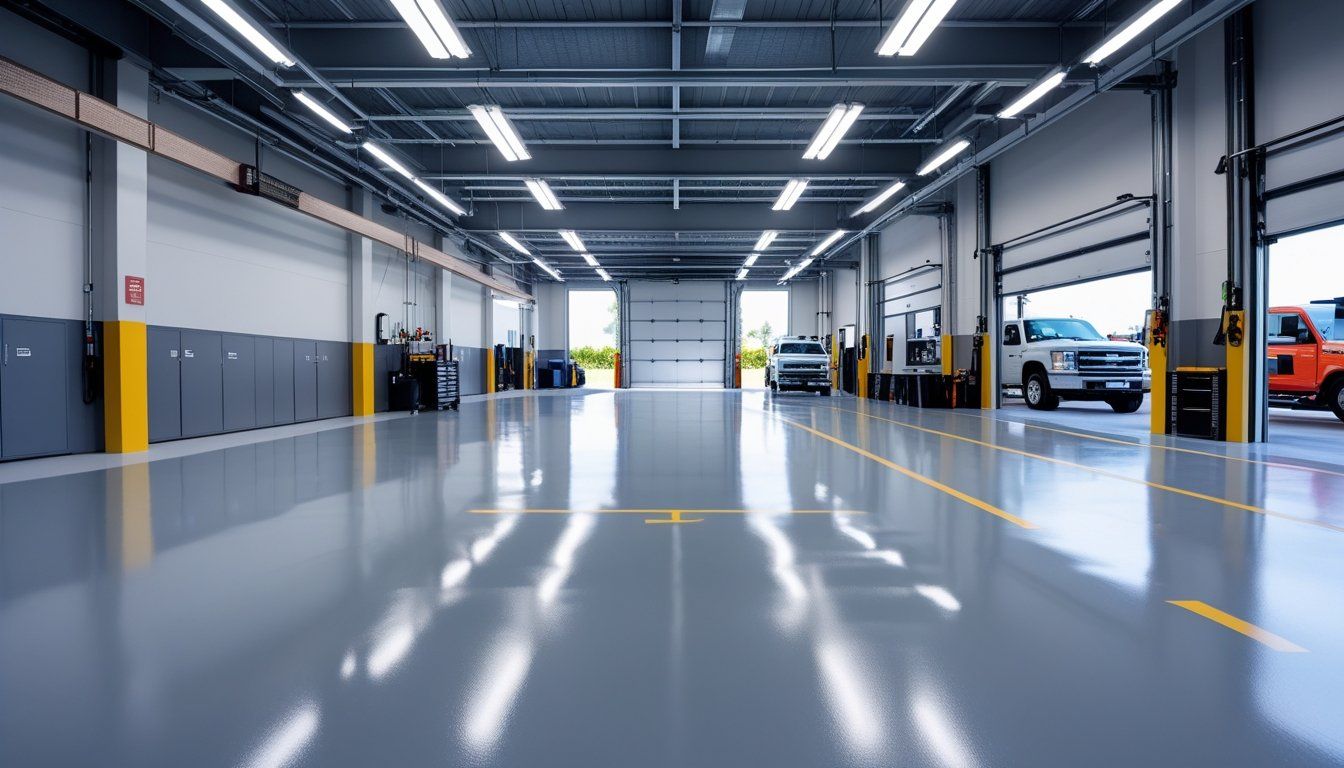
Learn how commercial epoxy garage flooring improves durability, safety, and appearance for businesses across Cambridge and Greater Boston.
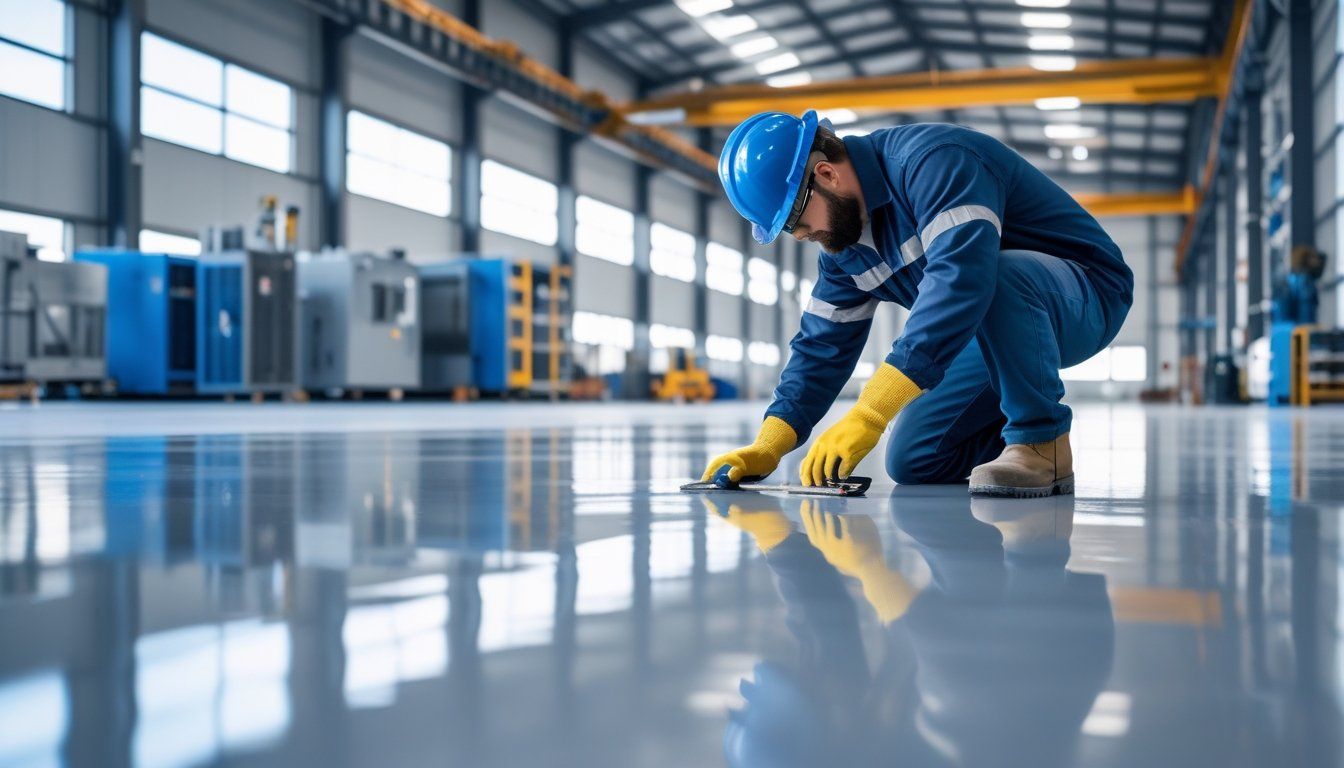
Learn the benefits of industrial epoxy flooring in Cambridge MA. Discover cost, durability, safety, and design tips for warehouses, factories, and labs.